
Related videos:
The province of Las Tunas is facing a wave of social indiscipline ranging from deafening music to illegal dumps, vandalism, and assaults in public spaces, a situation that residents describe as unbearable and attribute to impunity and official inaction.
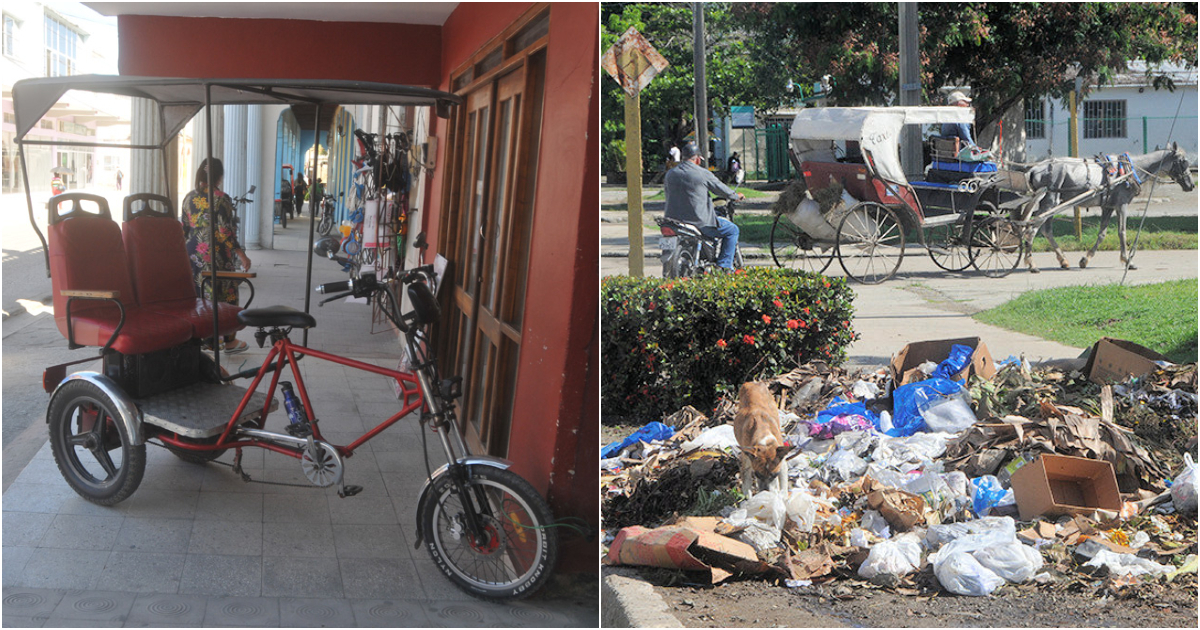
According to a survey by the official press in the eastern region, among the practices most rejected by the population is loud music in motorbikes, bicitaxis, recreational centers, and private homes.
More than 70% of respondents rated this behavior as "noisy" and "irritating," with a direct impact on health and rest, especially amidst the blackouts affecting the province, as reported by the provincial newspaper 26.
The management of solid waste is another major concern. With 81% of mentions, residents from Las Tunas reported spontaneous dumping sites, accumulation of debris in public streets—even used to fill potholes—and indiscriminate burning of trash.
The prevailing perception is one of collective embarrassment over areas that were once regarded as clean but are now mired in filth.
The vandalism against property in schools, hospitals, and public transportation has also been reported frequently.
The respondents pointed to an alarming loss of sense of belonging and respect for the common good, exacerbated by the apparent indifference of those who should sanction these behaviors.
There were mentions of rowdy behavior in lines, alcohol consumption in public spaces, and, particularly critically, scenes of individuals urinating or defecating in the street.
For many, it represents an absolute degradation of modesty and basic coexistence. Additionally, the invasion of sidewalks by motorcycles and bicycles has turned them into areas of danger for pedestrians.
The common denominator of all complaints is the perception of impunity. Neighbors claim that they report to delegates, call the police, and participate in surveys, but rarely do they see an institutional response.
The lack of control and punishment fuels citizens' frustration and the feeling that disorder is advancing unchecked.
Although several respondents acknowledge the responsibility of the family and the lack of education as breeding grounds for these behaviors, they insist that it is the State's duty to enforce the law.
The demand is not just to list problems, but to take decisive action to restore cleanliness, order, and respect in daily life.
The people of Tunera issue a clear warning: social degradation is multiplying and threatens to become the norm for future generations.
And while the authorities remain absent, impunity and the deterioration of public order consolidate as the visible face of the crisis.
For years, debates and complaints about the high levels of noise pollution in Cuba have been frequent, involving the responsibility of citizens on one hand and state entities on the other.
Although there is legislation against environmental noise, the population is skeptical as they see it as mere words on paper.
What bothers citizens the most is "the loud music," especially reggaeton, which is heard in homes, buses, cars, plazas, and streets all over the country, at inconvenient hours: primarily during the late night and early morning hours of Fridays, Saturdays, and Sundays.
At the end of April, neighbors in Los Arabos, Matanzas, reported the noise aggression they endure every weekend due to recreational activities endorsed by the municipal government. After more than five months of official silence, the only response was to justify the noise with surveys and generic regulations, without providing evidence or solutions.
Various cities and towns in Cuba, such as Santa Marta, located along the road to the Varadero beach resort in Matanzas, is overwhelmed with garbage, leading to the spread of diseases caused by unsanitary conditions, due to the indifference and lack of effective action from the authorities.
Weeks ago, the official journalist Ana Teresa Badía was emphatic in stating that “Havana smells like trash” in a post on her Facebook account, where she criticized the accumulation of tons of waste in streets and corners without timely collection.
In his brief reflection, Badía stated that “there is a rampant institutional indifference. We shouldn’t blame only the blockade; there are things like empathy, work, and respect for citizens that do not depend on any blockade.”
Amid the rise of crime and social unrest, a result of the multisystemic crisis facing Cuban society, vandalism on public transport, especially in Havana, is becoming increasingly common.
Frequently Asked Questions about the Sanitation and Noise Crisis in Las Tunas, Cuba
What are the main public health issues in Las Tunas?
In Las Tunas, the main sanitation issues include the proliferation of illegal dumps, the accumulation of debris on public roads, and the indiscriminate burning of garbage. These problems have turned previously clean neighborhoods into dirty and dangerous areas for public health.
Why has loud music become a problem in Las Tunas?
High music, especially in motorbikes, bike taxis, and recreational centers, is seen as a problem in Las Tunas because 70% of those surveyed consider it "deafening" and "irritating", affecting the rest and health of residents, particularly during nighttime blackouts.
What role do the authorities play in the public order crisis in Las Tunas?
The authorities in Las Tunas are being criticized for their inaction and lack of sanctions regarding social indiscipline. The population perceives a widespread sense of impunity that fuels disorder and citizen frustration. Despite complaints to delegates and the police, institutional response is minimal.
How does the situation of disorder and noise affect coexistence in Las Tunas?
The situation of disorder and noise in Las Tunas severely impacts social coexistence, with issues such as fights in queues, consumption of alcohol in public spaces, and behaviors such as urinating or defecating in the street, indicating a degradation of decency and basic coexistence.
Filed under: