
Related videos:
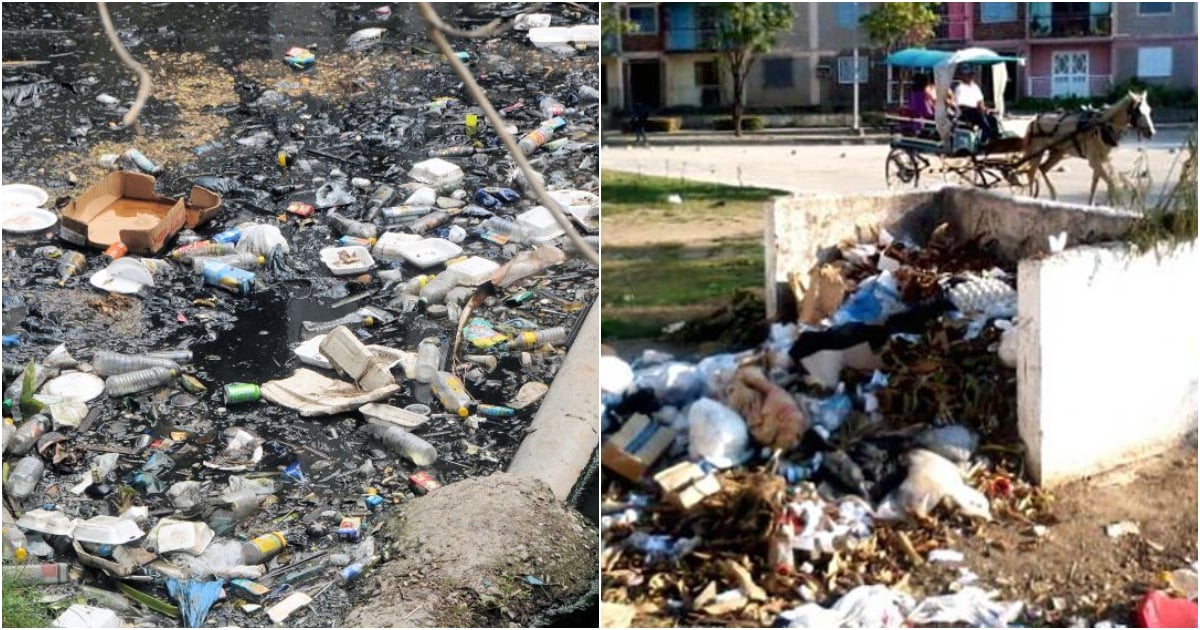
The main authorities in Las Tunas attributed most of the responsibility for hygiene in the eastern territory to the citizens and private businesses, while admitting shortcomings in the organizational management of community services.
The First Secretary of the Communist Party of Cuba (PCC) in the province, Osbel Lorenzo Rodríguez, noted that solid waste collection is one of the major concerns in the territorial capital.
He acknowledged organizational shortcomings in community services but criticized the illegal dumping of debris and trimmings in unauthorized locations by the population, while participating in the monthly televised review broadcasted by the TunasVisión telecenter, where the main political and government authorities in the area participate, as reported by the official newspaper 26.
He also stated that the increase in private businesses has generated more waste and urged discussions with these stakeholders to prevent their activities from impacting community hygiene. He deemed it essential to strengthen dialogue with the non-state sector.
On her part, Governor Yelenys Tornet Menéndez explained that the waste is multiplying in the city, while the workforce to collect it is decreasing.
He admitted the chronic shortage of trucks and tractors and announced the reorganization of the city into four zones, the increase of cart drivers, and the promotion of contracts with private waste collection companies.
Tornet reported that so far in 2025, 2,048 fines have been imposed for violations related to waste, although it insisted that prevention is more effective than sanctions.
He also criticized the deterioration of the pedestrian walkways in the capital city of Tunera, attributing it to a lack of maintenance and misuse by pedestrians.
The governor assured that a program to repair these areas is underway, with physical restrictions on the passage of cycles and vehicles, as well as an increase in inspectors and law enforcement.
However, he warned that any institutional effort will be insufficient if it is not accompanied by citizen cooperation.
Weeks ago, the official press in Tunas reported that this eastern province is facing a wave of social indiscipline ranging from deafening music to illegal dumping sites, vandalism, and assaults in public spaces, a situation that residents describe as unbearable and attribute to impunity and official inaction.
According to a survey by the newspaper 26, solid waste management is one of the primary concerns.
With 81% of the mentions, the residents of Las Tunas reported spontaneous garbage dumps, accumulation of debris in public spaces —even used to fill potholes— and indiscriminate burning of trash.
The widespread perception is one of collective embarrassment regarding areas that were once considered clean and are now engulfed in filth.
The respondents pointed to a troubling loss of sense of belonging and respect for the common good, exacerbated by the apparent indifference of those who should penalize these behaviors.
Diverse cities and towns in Cuba, such as Santa Marta, located along the road to the Varadero beach resort in Matanzas, are overwhelmed with garbage and diseases linked to unsanitary conditions are on the rise, due to the indifference and lack of effective action from the authorities.
But even giant landfills can be found in the vicinity of health institutions such as the iconic Hermanos Ameijeiras hospital, or at the “Manuel Piti Fajardo” maternal and child hospital in Güines, in Mayabeque.
According to official journalists, “there is rampant institutional indifference” regarding the issue of solid waste collection.
Frequently asked questions about waste management and the situation in Las Tunas, Cuba
Why do the authorities in Las Tunas blame citizens and private businesses for the garbage issue?
The authorities of Las Tunas blame citizens and private businesses for the dumping of debris and pruning in unauthorized locations, as well as the increase in waste generated by private businesses. Despite acknowledging failures in the organizational management of community services, the government emphasizes the need for citizen cooperation to improve communal hygiene.
What measures are the authorities in Las Tunas taking to improve waste collection?
The authorities in Las Tunas are reorganizing the city into four zones to improve garbage collection, increasing the number of cart drivers, and promoting contracts with private waste collection companies. However, the shortage of trucks and tractors remains a significant challenge.
What is the citizens' perception of solid waste management in Las Tunas?
According to a survey by the newspaper 26, the management of solid waste is one of the main concerns of the citizens of Las Tunas. 81% of respondents reported spontaneous dumps and the accumulation of debris on public roads, reflecting a widespread perception of dirtiness and disorder in the province.
How does the lack of hygiene in Las Tunas affect public health?
The lack of hygiene in Las Tunas, as in other regions of Cuba, creates unbearable odors, proliferation of vectors, and public health risks. The accumulation of garbage and debris in public spaces can lead to diseases and particularly affects children and vulnerable individuals, who are already facing a healthcare system weakened by a shortage of medications and resources.
Filed under: