
Related videos:
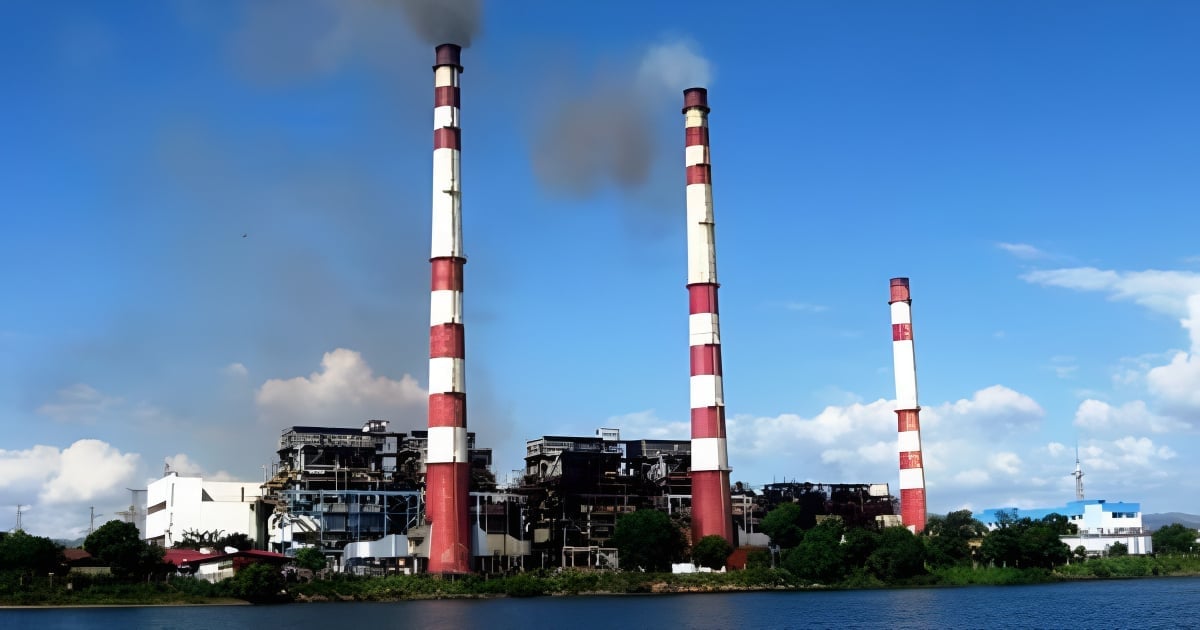
The chronic instability of the Antonio Maceo Thermoelectric Power Plant (CTE), known as Renté, was once again highlighted this Thursday when Unit 6 went offline just a day after being synchronized, thus extending the energy crisis in Santiago de Cuba and the rest of the country.
La Unión Eléctrica (UNE) reported through that the line went out of service due to an electrical problem, which has become almost a routine in recent weeks, due to the repeated outages of the units.
The never-ending story
Indeed, on Wednesday, at 18:49 hours, Unit 3 of Renté went offline due to “low vacuum”, just 89 minutes after being reconnected to the National Electric System (SEN).
At 5:20 PM, it had come online, and shortly after, at 5:38 PM, Unit 6 was synchronized, which was initially announced as a relief for generation in the eastern part of the country, but nothing could be further from the truth.
Ephemeral optimism and prolonged blackouts
The publications from UNE generate more skepticism than relief: the population no longer trusts the synchronization announcements from Renté, due to their repeated unexpected departures.
Unit 3, in particular, has been involved in several similar episodes in recent days. Last Sunday, at 4:07 PM, it also went out of service due to low vacuum, and seven minutes later, at 4:14 PM, Unit 5 went offline for reasons that were then "pending identification."
A history of constant failures
The plant's general director, Jesús Aguilar Hernández, explained to the official press on Tuesday that units 3, 5, and 6 were out of operation due to the recent heavy rains, while technical crews attempted to restart Unit 6 to contribute around 50 MW to the national electric system, which was achieved the following day.
Just a week ago, Unit 5 went out of service due to a leak at the water station, adding to the long list of incidents that keep Renté as one of the most vulnerable points in the Cuban electric system.
Unbacked promises
This sequence of breakdowns coincided with a visit from the ruling Miguel Díaz-Canel to the thermoelectric plant, where he promised improvements by the end of the year. However, neither the official speech has managed to convey confidence, and the facts continue to contradict any optimistic narrative: “practice is the criterion of truth,” and reality has been clear.
Meanwhile, the people of Santiago continue to face endless blackouts, in a situation where technical solutions are increasingly precarious and the credibility of the electrical system is at its lowest point.
Frequently Asked Questions about the Energy Crisis at the Renté Power Plant
Why did Unit 6 of the Renté thermoelectric plant go out of service?
Unit 6 of the Renté thermoelectric plant is out of service due to an electrical problem, as reported by Cuba's Electric Union. This situation is part of a series of recurring failures that have affected the plant in recent weeks, worsening the energy crisis in Santiago de Cuba.
What impact do the problems at the Renté thermoelectric plant in Santiago de Cuba have?
The instability of the Renté thermal power plant generates prolonged and frequent blackouts in Santiago de Cuba, severely affecting the quality of life for residents. The lack of reliability in the electric supply has led to skepticism and distrust among the population regarding official announcements of repairs and improvements.
What is the Cuban government doing to address the energy crisis in Renté?
The ruler Miguel Díaz-Canel has promised improvements by the end of the year following his visit to the Renté thermoelectric plant. However, the lack of concrete results and the ongoing failures at the plant have generated skepticism among the population, which continues to suffer the consequences of an obsolete electrical system and ineffective management.
What are the main causes of the failures at the Renté thermoelectric plant?
The failures at the Renté thermoelectric plant are due to the obsolescence of the facilities, incomplete maintenance, and a lack of spare parts. Additionally, the Cuban electrical system is facing a structural crisis exacerbated by fuel shortages, which further complicates the situation.
Filed under: