
Related videos:
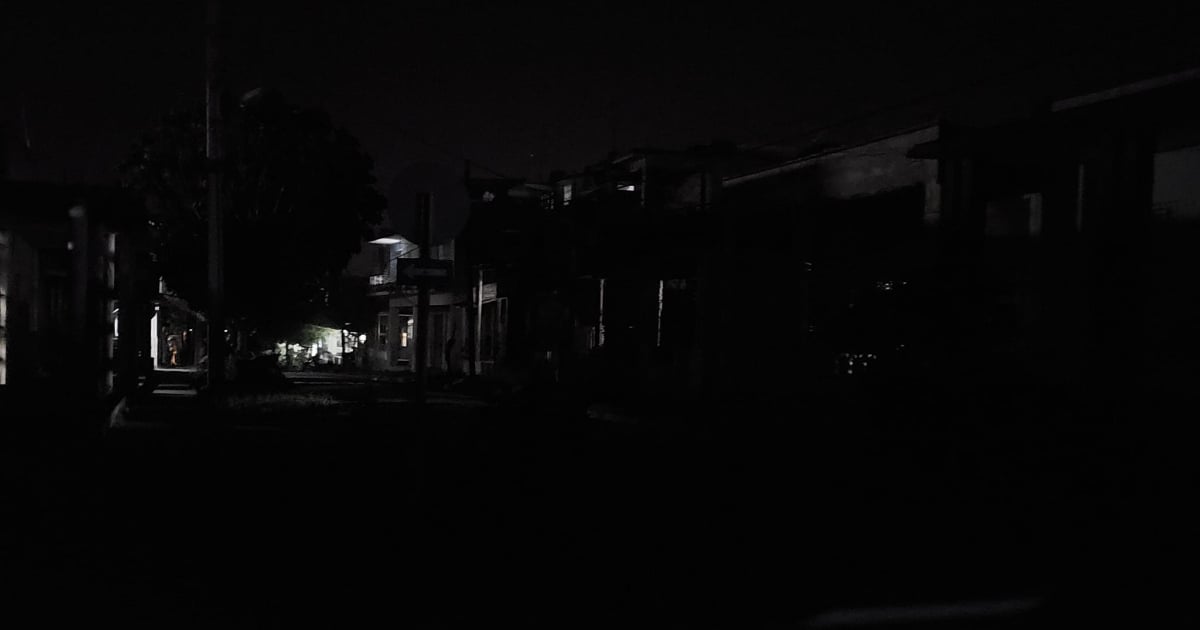
A total of eight neighborhoods in Guantánamo are still without electrical service following the intense rains caused by Imelda that heavily impacted the province a few days ago.
The extent of the damage was presented this Thursday during a meeting with local authorities, led by the ruling Miguel Díaz-Canel, who visited some of the most affected areas, according to the official newspaper Venceremos.
The impacts reach various sectors: in agriculture, 371 hectares of root vegetables and grains have been reported damaged, although coffee collection continues; in health matters, a high rate of arboviral diseases persists following the rains.
The education sector also faces challenges: of the 380 schools inspected, 13 have structural issues, and alternatives are being evaluated so that students do not lose classes.
Regarding housing, the most significant impacts are concentrated in Ullao, where the rise of the Cuatro Motores River caused damage to 21 homes.
Hydraulic resources were also affected, with several conduits damaged.
In terms of road infrastructure, five bridges were damaged, along with rural roads and railways, including the Guantánamo-Boquerón segment, whose disruption affects salt transportation and the mobility of the population.
The Moa-Baracoa highway and 75 other mountain roads remain impassable or seriously affected.
In light of this situation, local authorities indicated that the priority will be to restore, as quickly as possible, the services and infrastructure that directly affect the quality of life for the population.
According to the official website, alongside the ruler were other high-ranking officials from the dictatorial elite, including Manuel Marrero Cruz, Prime Minister of the Republic of Cuba, and Inés María Chapman, Deputy Prime Minister.
This "tour" is nothing more than another carefully staged performance, in which regime officials pretend to be concerned about the people's issues, while in reality, they limit the opportunity for individuals to speak freely about what they are truly experiencing.
Frequently Asked Questions about the Situation in Guantánamo Following the Heavy Rains of Imelda
How many neighborhoods in Guantánamo are without electricity due to the rains from Imelda?
Eight neighborhoods in Guantánamo remain without electric service following the intense rains caused by tropical storm Imelda, which severely impacted the province. This situation adds to a series of chronic issues in the island's electric supply, reflecting the regime's inability to maintain adequate basic services.
What are the main impacts in Guantánamo after the passage of Imelda?
The heavy rains have impacted several sectors in Guantánamo, including 371 hectares of root vegetables and grains damaged, issues in the education sector with 13 schools affected, and damage to road infrastructure such as five bridges and numerous rural roads. This situation highlights the vulnerability of Cuban infrastructure due to governmental neglect.
What impact have the rains had on the hydraulic resources of Guantánamo?
The rains have caused significant damage to water resources, including affected water conduits. Additionally, the Faustino Pérez dam has begun releasing water due to the accumulated excess, which adds an additional risk of flooding. This situation underscores the lack of preventive maintenance and the ineffective management of water resources by the government.
How are the Cuban authorities responding to the crisis in Guantánamo?
Authorities have indicated that the priority will be to recover services and infrastructure as quickly as possible that directly impact the quality of life of the population. However, these promises of immediate action contrast with the reality of a government that has historically failed to meet its commitments to improve and maintain infrastructure.
Filed under: