
Related videos:
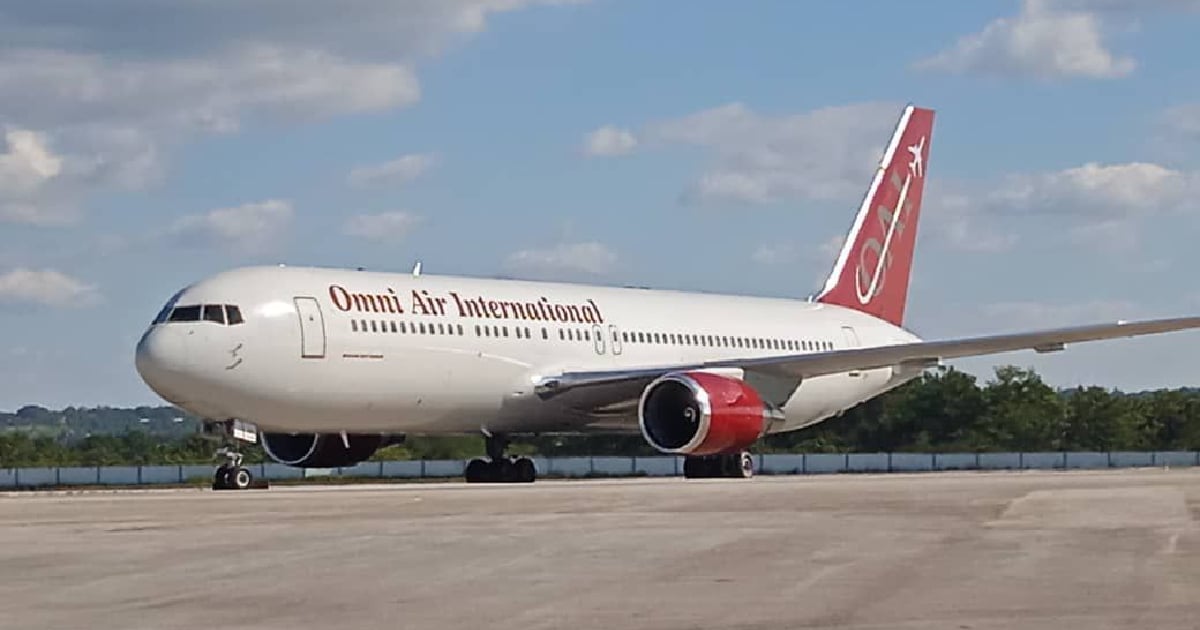
The United States government deported 139 Cuban immigrants this Thursday, on the eleventh flight chartered by the Immigration and Customs Enforcement (ICE) to Havana so far in 2025, and the second one carried out in November.
A statement from the Ministry of Interior of Cuba (MININT) specified that the group of migrants who arrived this afternoon at José Martí International Airport consisted of 109 men and 30 women.
After the arrival of the flight, authorities arrested an individual who was on probation at the time of their departure from the country, according to the source.
Of that number, 1,370 have been deported by the United States, in compliance with the current immigration agreements between both countries.
Cuban authorities reiterated their "commitment to regular, safe, and orderly migration" and warned about the risks that illegal exits from the country pose to the lives of migrants.
At the beginning of this month, the administration of President Donald Trump set a record by deporting 232 Cuban citizens, in the largest operation since deportation flights by ICE resumed in 2023.
The flight this Thursday comes exactly ten months after Trump began his second term. Since then, he has sent more Cubans back to the island than the administration of President Joe Biden has in nearly two years (978), following the resumption of deportations by air.
This constitutes a clear sign of the tightening of immigration policy in the United States under Trump, with a surge in arrests and mass expulsions of undocumented immigrants, many of whom have criminal records.
Numerous Cubans have also fallen victim to the drastic strategy, which makes no distinction between those who have pending immigration processes - such as individuals with an I-220A form or those in the process of residency - who have not committed crimes in the U.S., as well as citizens from the island with extensive criminal records, including those with final deportation orders.
According to data from the Department of Homeland Security (DHS), 42,084 Cubans have final deportation orders. The regime in Havana refuses to accept back those who have committed crimes and served prison sentences in the U.S., who have remained outside the island since before the 2017 immigration agreements. This stance has complicated the deportation processes for Cuban nationals and led U.S. authorities to send them to third countries.
An undisclosed number of Cuban citizens with criminal records have been deported to destinations other than their country of origin. At least four have been taken to South Sudan and the Kingdom of Eswatini, in Africa, despite having no personal ties to those nations, where they remain incarcerated, without charges or access to legal assistance, according to reports from their relatives and lawyers.
Filed under: