
Related videos:
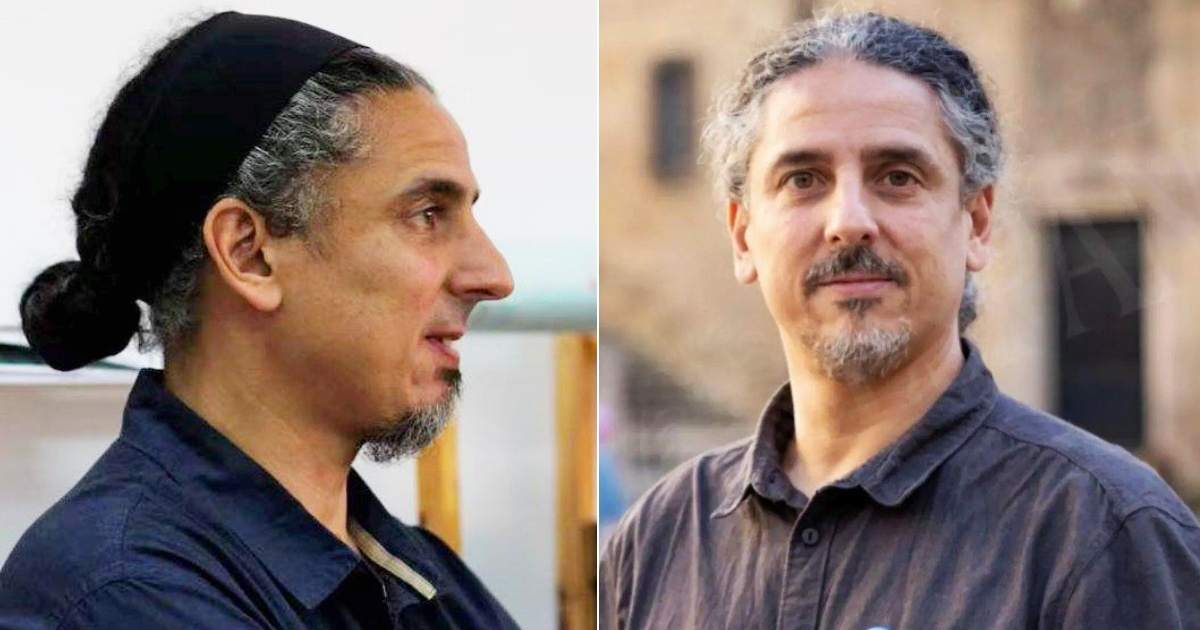
The recent discovery in Havana of former professor and Spanish politician Martiño Ramos Soto, convicted of "sadistically" and repeatedly violating a 12-year-old girl, has reignited an old debate that again tarnishes the Cuban regime with its history as a haven for ideologically aligned criminals.
A report published this week by the newspaper El Mundo describes Cuba as a "sanctuary" for evaders of justice, particularly linked to far-left movements.
Ramos Soto, who now goes by “Martín Soto” and was living as a photographer in El Vedado, Havana, arrived on the island in the summer of 2025 after fleeing Spain when his final sentence was enforced.
According to El Mundo, your case is not an exception. It is part of a pattern that goes back decades when members of the terrorist group ETA found in Cuba a paradise without extradition and under the protective shadow of the revolution.
The report recalls that between the years 1980 and 2000, dozens of ETA members, some involved in murders, kidnappings, and attacks, were welcomed by the Cuban regime, which provided them with housing, discretion, and the opportunity to rebuild their lives away from European courts.
Several of those names appear in the report: Josu Abrisketa, Carlos Ibarguren “Nervios,” José Ángel Urtiaga Martínez, José Miguel Arrugaeta, Joseba Sarrionandia, Miguel Ángel Apalategui “Apala,” and Elena Bárcena Argüelles, known as “La Tigresa.”
For Havana, according to the experts cited, the benefit was clear, with the strengthening of ideological alliances and the maintenance of influence within radical movements in Europe and Latin America.
Activists and analysts consulted by the Spanish newspaper assert that this open-door policy was driven by a strategic interest of the Castro regime. Cuba positioned itself as an ally of violent organizations that today, in some cases, are present in parliaments or linked to criminal networks, turning that protection into political and economic capital.
The report also indicates that, although there is no evidence of a formal agreement to shelter criminals like Martiño, the network of organizations linked to Cuban embassies in Spain, solidarity associations, political affinity groups, and informal support structures may have facilitated his arrival on the island. The aim would be to prevent the regime from appearing directly involved.
Experts in human rights cited by El Mundo emphasize that Cuba provides the perfect conditions for those seeking to evade justice, such as the lack of extradition treaties with Spain, internal permissiveness towards pursuing criminals, and a long history of sheltering individuals linked to political extremism. According to the Cuban Observatory of Human Rights, even a pedophile like Martiño might feel that he would find a zone of impunity on the island.
The case has generated concern among Cubans both inside and outside the country, especially because until the case came to light, no one in his circle in Havana knew who he really was. The man who pretended to defend feminism in Spain was now strolling through cafés in Vedado like any other neighbor, participating in photography workshops, and avoiding discussing his past.
Filed under: