
Related videos:
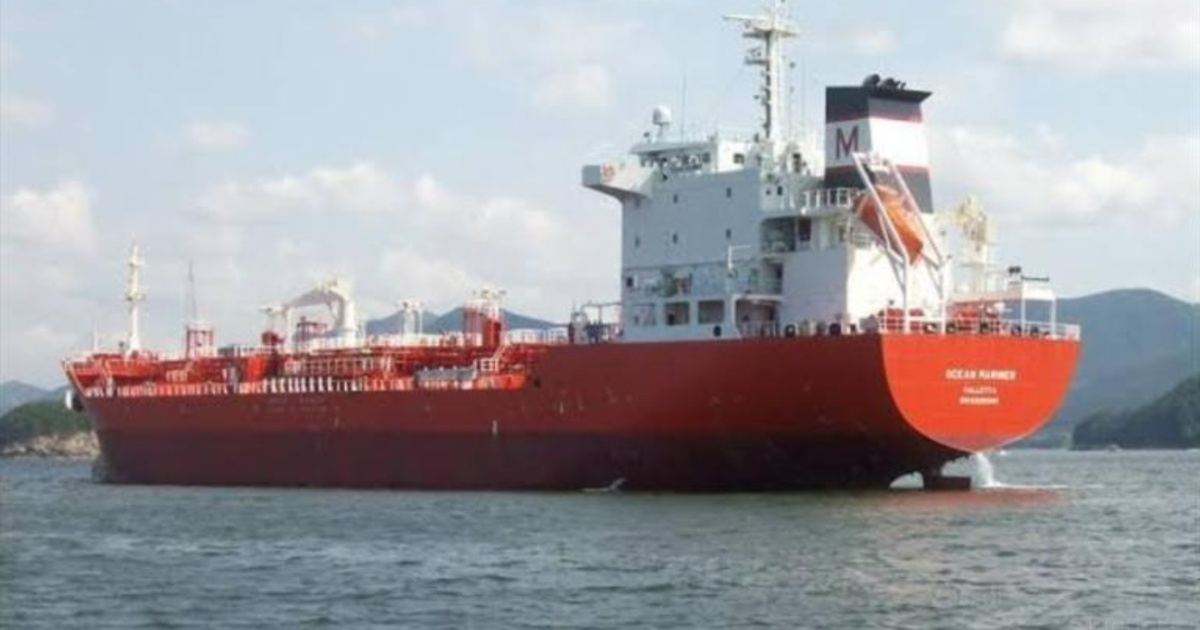
The oil tanker Ocean Mariner arrived this Friday in the bay of Havana with approximately 86,000 barrels of fuel from Mexico, in a shipment intended to alleviate the prolonged blackouts affecting the island.
According to sources from the Energy Institute of the University of Texas confirmed to EFE, the ship, flying the flag of Liberia, arrived in the Cuban capital after departing the previous month from the Pajaritos complex of the state-owned Pemex in southern Mexico.
The barrels began to be unloaded from the Ñico López refinery, located in the Habanero municipality of Regla, in the Cuban capital, on the morning of this Saturday.
The Ocean Mariner is one of two vessels —along with the Eugenia Gas— that have recently departed from Mexican territory as part of the fuel shipments that Mexico has made to Cuba in recent years, according to the report.
The arrival occurs at a critical moment: widespread areas of the country are experiencing power outages of 20 or more hours daily, amid uncertainty over whether Venezuela will be able to remain the main oil supplier following the capture of Nicolás Maduro by the U.S.,
Cuba has been experiencing a deep energy crisis since mid-2024 due to frequent breakdowns of outdated power plants and a lack of foreign currency to purchase the necessary fuel.
In 12 months, the national electrical system has experienced five total blackouts and several partial ones.
In terms of volume, EFE specifies that the 80,000 barrels sent by Pemex represent slightly more than the daily crude oil deficit.
Cuba requires around 110,000 barrels daily for its basic energy needs, of which about 40,000 come from domestic production.
According to official data cited by ONEI, 60% of the fuel consumed on the island is imported, and of the total required, 65% is allocated to power thermoelectric plants.
The report adds that independent studies estimate that nearly half of Cuba's fuel needs were met through imports from Venezuela, Mexico, and, to a lesser extent, Russia.
That analysis claims that Venezuela contributed around 50,000 barrels per day in recent years, but since 2024 the average has reportedly dropped to between 10,000 and 30,000, figures that neither Caracas nor Havana make public.
The U.S. interceptions of sanctioned vessels and President Donald Trump's announcement that Washington will have "total control" over the sale of Venezuelan oil could leave Cuba in a critical situation.
Trump stated that the island's government is “about to fall” without “Venezuelan oil,” while the Cuban government responded that Cubans are “willing” to give their lives.
Filed under: