
Related videos:
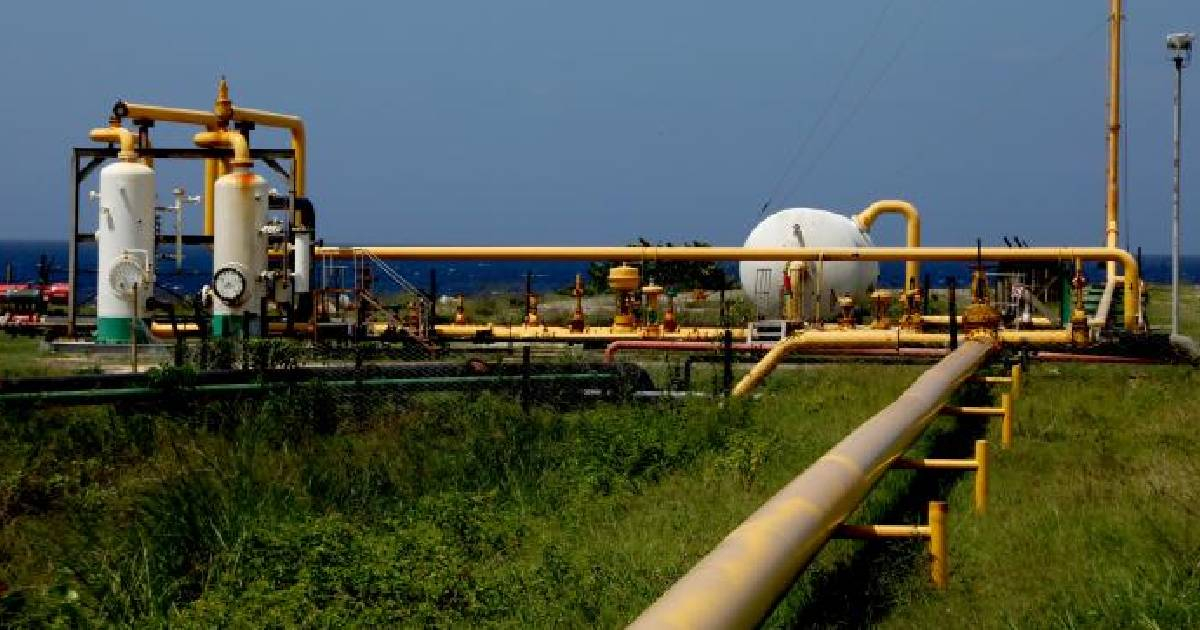
The state-owned Cuba-Petróleo (Cupet) is implementing a program to drill new wells in the western part of the country with the declared aim of advancing towards "energy sovereignty," although official figures acknowledge that the increase in production fails to meet national demand or curb blackouts.
According to the official newspaper Granma, the state entity is developing a strategic program for exploration and drilling in the northern western region of Cuba, focused on the deposits of Varadero Oeste and Fraile, between Havana and Varadero, as part of the government plan to reduce dependence on imported fuels.
According to Osvaldo López Corso, head of the Exploration and Reservoir Group at Cupet, the selected areas present lower geological risk and greater understanding of the subsurface, based on previous seismic studies.
The company is also investing in horizontal drilling techniques from land to deposits beneath the seabed, due to the technological and logistical limitations attributed to the U.S. embargo.
Cupet acknowledges, however, that a significant number of the wells in operation have been in use for over 10 or even 20 years, which results in a natural decline in production.
The current rate, of only two to four new discoveries per year, is insufficient to offset that decline.
According to López Corso, a sustained increase in drilling could add between 500 and 600 tons of oil per day to national production, a contribution he deemed significant for the economy, although he did not specify timelines or concrete impacts on the electricity deficit.
The crude oil and associated gas produced in Cuba are almost entirely allocated to Energás plants and thermoelectric plants, contributing to just over 50% of the electricity generation mix.
Still, they do not meet national demand and require maintaining imports to sustain the electricity system.
Data released at the end of 2025 indicates that Cupet managed to partially reverse the historical decline in production after 13 consecutive years of drop since 2012, with an estimate of 2.2 million tons of crude oil in 2025, about 80,000 tons above the plan.
In the case of natural gas, the increase allowed for a total of 1,130 million cubic meters, a figure that had not been recorded in nine years.
Despite this increase, the authorities themselves acknowledge that the volumes barely cover about a third of the national gas demand and that, to achieve a supposed energy independence, Cuba would have to nearly triple its current production.
More than 55% of electricity is currently generated from domestic crude oil and gas, but the system is still characterized by deficits of between 52% and 60%, prolonged blackouts, and a lack of fuel.
The official discourse contrasts with a structural reality of external dependence, limited shipments from Russia and Mexico, internal corruption issues, and outdated energy infrastructure.
The Cuban energy crisis is also being shaped by the latest events in Venezuela, its main historical supplier of oil.
Following a significant decline in shipments from Caracas and, more recently, pressure from the United States that has further restricted this flow, Cuba is facing a substantial reduction in the number of barrels it received in recent years, exacerbating the gap between domestic production and actual fuel demand.
This scenario has led experts and economists to warn that the island faces a structural deficit that is difficult to overcome without stable external sources, despite official speeches about energy sovereignty.
The Cuban economist Miguel Alejandro Hayes has gone beyond government rhetoric to project the consequences of this dependency. According to his estimates cited by the EFE agency, if fuel availability were to drop by around 30%, a real possibility given the current volatility of Venezuelan supply, the gross domestic product could plummet by nearly 27%, household consumption would decrease by 30%, and the prices of food and basic supplies could surge by 60%, generating a vast social and economic impact.
Filed under: