
Related videos:
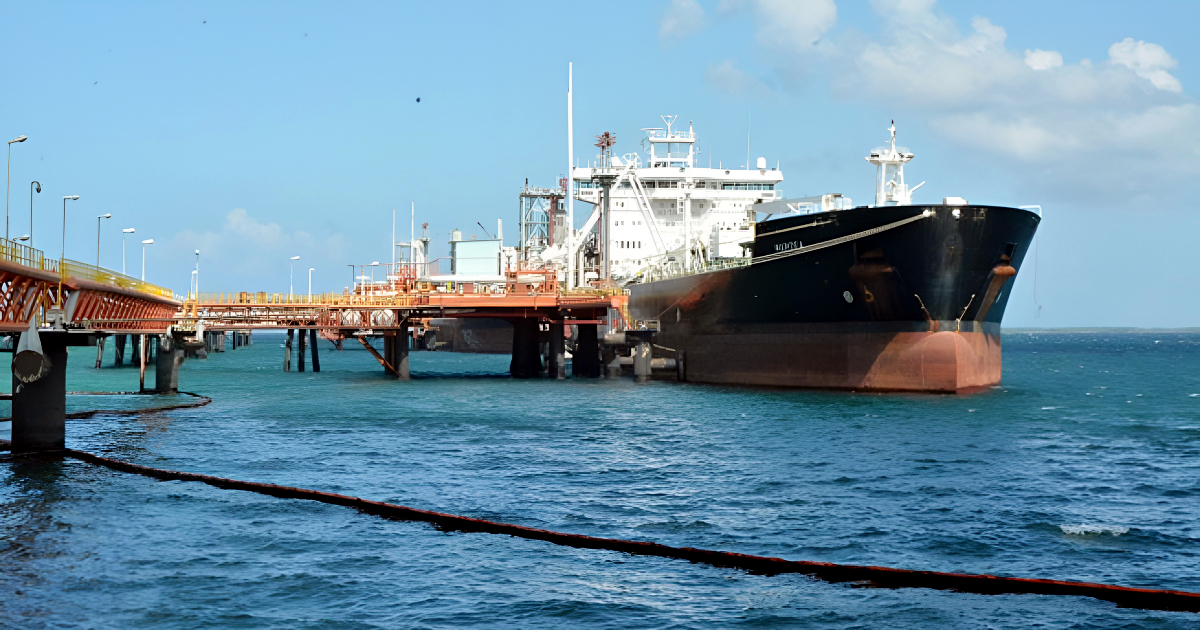
Venezuelan oil, for years the backbone of the Cuban regime's economic survival, has ceased flowing to the island. Since mid-December, not a single shipment of crude oil or fuel has arrived from Venezuela, according to documents from the state-owned PDVSA and maritime traffic data cited by Reuters.
The capture of Nicolás Maduro by U.S. forces at the beginning of January has marked a definitive break that leaves Havana without its main source of energy.
In 2025, Venezuela was supplying Cuba with around 26,500 barrels daily, approximately a third of the country's needs. Today, the tankers remain still, and the silence in the Cuban ports confirms what many feared: chavismo can no longer sustain castroism.
Without Venezuelan shipments, the government of Miguel Díaz-Canel faces a perfect storm that could hasten the end of the regime.
The fuel shortage results in endless blackouts, paralyzed transportation, and families cooking with charcoal. Although some smaller shipments have arrived from Mexico — including a ship with 85,000 barrels from Coatzacoalcos — experts warn that this assistance is symbolic and "far from sufficient" to keep the island running.
“The situation is going to be catastrophic,” warned Cuban researcher Jorge Piñón from the University of Texas. The warning encapsulates the sentiment of a country that, without oil or strong allies, is witnessing the collapse of the last pillar of an exhausted system.
While Díaz-Canel insists on resisting "until the last drop of blood," reality hits hard for the Cubans. Each day without Venezuelan oil brings the country closer to a breaking point.
The question is no longer whether the regime can withstand, but rather how much longer it can do so before scarcity and social discontent make it impossible to continue pretending normalcy.
Filed under: