
Related videos:
Amidst the worsening energy crisis and prolonged outages affecting all of Cuba, even exceeding 30 consecutive hours, activist Lara Crofs —whose real name is Yamilka Lafita— published a reflection on social media where she describes the situation faced by the Cuban people as “psychological torture by totalitarian regimes.”
In her message, written at five in the morning under the title "Catharsis of Exhaustion," the activist described how the regime uses fatigue, anxiety, and daily precariousness as tools of social subjugation.
"They give you a brief light two hours after twelve hours of blackout, not to relieve you, but to remind you who is in charge," he wrote.
"This is psychological torture. An old manual of totalitarian regimes: wear down, confuse, break," he added.
Crofs reported that the lack of electricity is compounded by water shortages, which exacerbates daily suffering.
"More than ten days without water. This is no longer negligence: it is institutionalized humiliation. They force you to choose between cooking or bathing, between cleaning or drinking," he stated, denouncing what he sees as a deliberate strategy to break the will of the citizens.
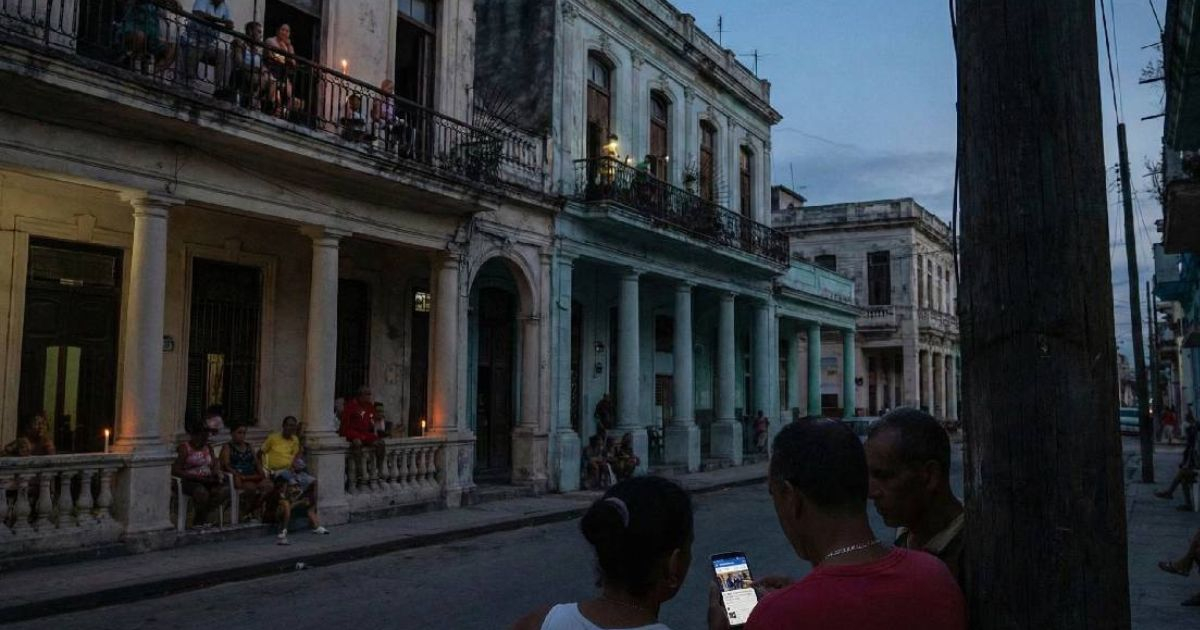
“The lack of electricity is not just darkness; it is anxiety, it is insomnia, it is mental weakening, it is watching the little you have in the refrigerator go to waste while you calculate whether to eat it today or get sick tomorrow. They are exercising control through exhaustion,” the activist stated in another segment.
Furthermore, he emphasized that totalitarian governments do not need to constantly use military force to maintain control; instead, they resort to managing everyday suffering.
“They only need to turn off the lights, close the faucet, and wait for the people to break. They turn the basics—electricity, water, food—into weapons of psychological desertion. They manage suffering,” he wrote.
The activist concluded her message with a tone of resistance despite the fatigue: "This is not living; this is resisting under conditions designed to destroy you. But even so, we stand tall. Tired, yes. beaten, too. But aware, and that is what is most dangerous to them."
The reflection takes place during a time of special social tension, as power outages of up to more than 30 hours a day and prolonged water cuts have affected a large part of the country.
Her complaint has reignited the debate over the regime's responsibility for the collapse of basic services and the use of deterioration as a tool for political control.
Filed under: