
Related videos:
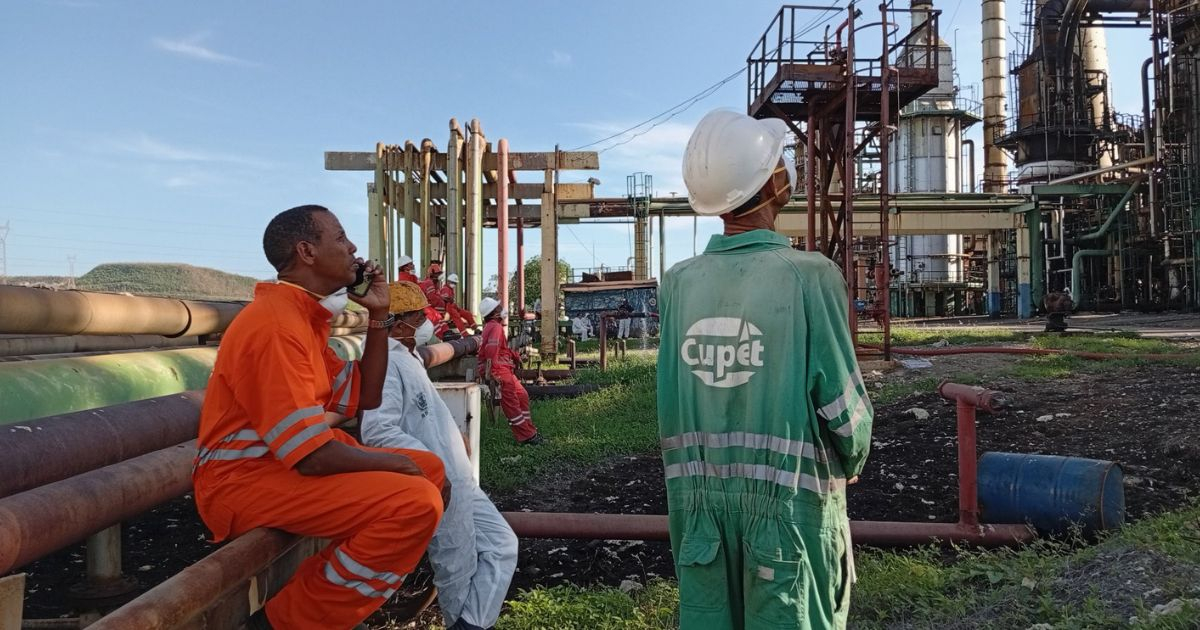
In just two or three weeks, Cuba could run out of oil, warned the British newspaper Financial Times (FT), after analyzing data from the company Kpler, which tracks in real-time the movement of ships, inventories, and energy transactions worldwide.
According to the publication, the island has enough crude oil reserves for only 15 to 20 days if current consumption and national production levels are maintained. Additionally, there is a shortage of fuel oil, which is essential for electricity generation, exacerbating the risk of an energy collapse.
The FT points out that the crisis deepened following the Mexican government's decision to suspend fuel shipments and the tightening of the U.S. blockade on tankers coming from Venezuela.
“We can say that Cuba can function for 15 to 20 days,” said Victoria Grabenwöger, crude research analyst at Kpler. The expert explained that Cuba has received only 84,900 barrels of oil this year, coming from a single shipment from Mexico on January 9, and had 460,000 barrels in inventory at the beginning of 2026.
Unless deliveries resume, the country's electrical situation could "hit rock bottom," the report warns. The deterioration of national thermal power plants and the lack of fuel are leaving the electrical system at its most critical point in years.
The Antonio Guiteras thermoelectric plant in Matanzas went offline this Thursday, which will result in an additional impact of about 200 megawatts. During peak hours, the generation deficit could meet up to three-quarters of the national demand, according to reports from the energy system itself.
“They are facing a significant crisis if more deliveries do not arrive in the coming weeks,” stated Jorge Piñón, oil expert from the University of Texas, to the Financial Times.
For her part, Mexican President Claudia Sheinbaum denied that her government has halted oil exports to Cuba and asserted that exports are carried out through Pemex contracts or as humanitarian aid. However, data from Kpler shows a minimal flow since the beginning of the year.
Nicholas Watson, an analyst at the consulting firm Teneo, warned the FT that “the economic crisis on the island is so severe that it could be existential for the Cuban regime.”
The British newspaper also recalls that, following the Trump administration's decision to halt shipments of Venezuelan crude to Havana, the scheme of reselling subsidized oil from Caracas in international markets was revealed, a practice that has been denounced for years by analysts and opponents of both regimes.
The scenario described by the Financial Times points to an imminent energy collapse if the Cuban regime does not manage to restore the flow of oil from its main allies in the coming weeks.
In this context, Cuba has accumulated a debt of more than 1.5 billion dollars with Mexico for the exports of crude oil and diesel that the Latin American country made between May and November of last year, according to calculations by energy sector analyst Ramses Pech.
The President of Mexico, Claudia Sheinbaum, stated this Wednesday that her country “will always be there” to support Cuba with oil and humanitarian aid, amidst the energy crisis that the island is experiencing due to the reduction of Venezuelan supply and the United States embargo.
“If Mexico can help create better conditions for Cuba, we will always be there. It is a relationship with the Cuban people who live in very difficult conditions,” Sheinbaum affirmed during her daily press conference, reported EFE.
The decision of the president of Mexico comes in a context marked by a warning from the U.S. president, Donald Trump, that “there will be no more oil or money for Cuba”.
On the other hand, Mexico took a step that, until just a few days ago, was only discussed behind closed doors: PEMEX canceled a shipment of crude oil destined for Cuba, in a clear signal that the political pressure from the United States is beginning to translate into concrete decisions that directly affect the already fragile energy situation on the Island.
Filed under: