
Related videos:
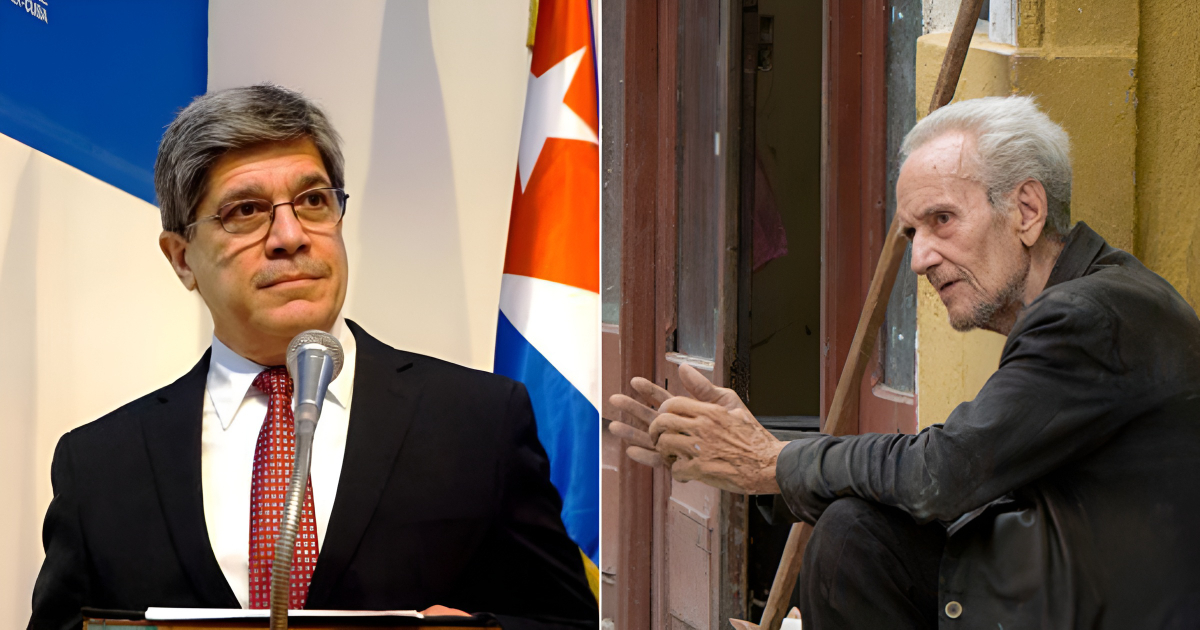
The Deputy Minister of Foreign Affairs of Cuba, Carlos Fernández de Cossío, published a message on social media in which he lashed out against the sanctions from the United States and accused the proponents of the policies towards the island of “thinking that Cubans have empty heads.”
According to the official, the criticisms regarding the fate of the fuel imported by Cuba are part of a "cognitive war" aimed at confusing the public.
In his text, he argued that the oil arriving in the country is used “to produce electric energy, transport the people, and maintain basic services,” and asserted that those who report diversions or privileges simply “repeat extraordinary nonsense.”
But Fernández de Cossío's speech, rather than clarifying, confirmed the weariness of the regime's official language.
He spoke of a "cognitive" war, but he did not address why the Cuban people continue to live besieged by power outages, with collapsed transportation and hospitals without fuel to operate their generators.
He stated that oil "is meant for the welfare of the people," even though the population has been enduring daily power outages, long lines at gas stations, and an economy paralyzed by the lack of energy for years.
The narrative of "external aggression" has resurfaced as a pretext to justify the unjustifiable: a state incapable of managing its own resources, trapped in the rhetoric of the 1980s, ensnared in its own lies and manipulations, and corrupt to the core.
The problem for the regime is that this narrative no longer convinces anyone. Cubans know that a "cognitive war" is not needed to understand what they experience daily: the inefficiency, the waste, and the lack of transparency of a system that clings to a worn-out discourse while the country fades away.
In Cuba, heads are not empty. What is empty is the totalitarian power, as well as the official discourse that seeks to justify it.
Filed under: