
Related videos:
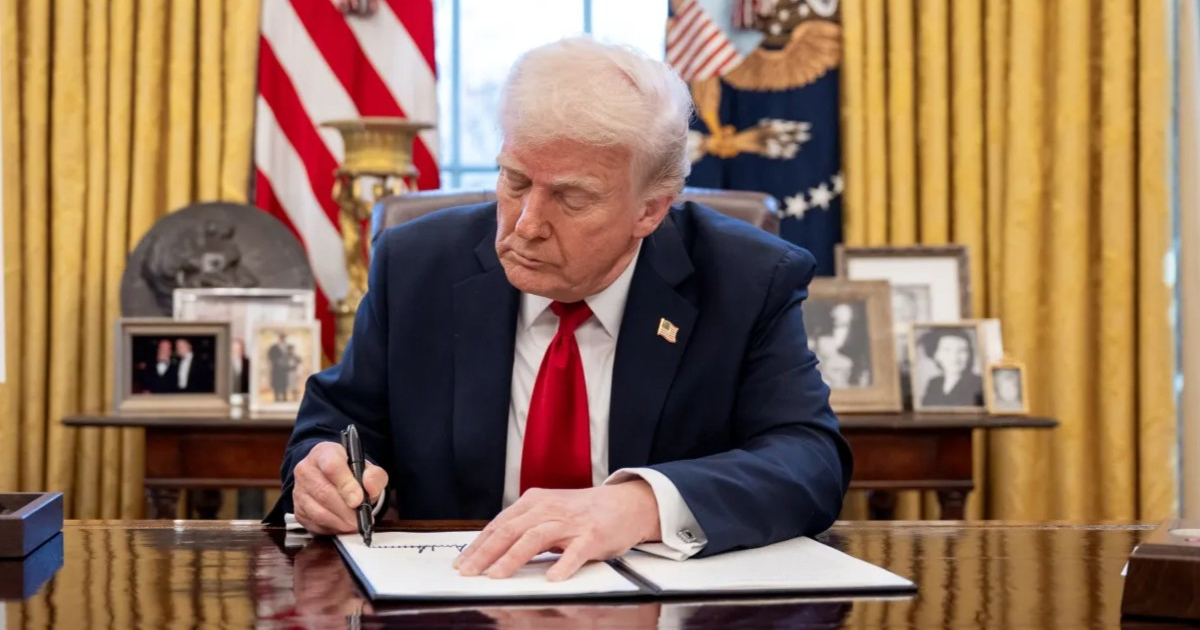
This reflection arises from the recent national emergency declaration from the United States against Cuba. We who long for freedom and a dignified life for our people have found renewed hope. This news has generated a certain euphoria on social media, fueling expectations for an immediate change.
It's normal. When you've lived for so many years within a system that restricts rights, opportunities, and the future, any external gesture is interpreted as a possible sign of hope. Holding onto something in such contexts is almost an instinctive reaction. However, it’s wise to pause for a moment and reflect calmly.
It is important to have clarity on certain details to avoid getting swept up in euphoria that later leads to disappointment and discouragement. Declarations of national emergency are not plans for liberation or strategies to democratize countries. They are legal tools of U.S. foreign policy that primarily serve to impose sanctions, financial blockades, and trade restrictions. They are not designed to change political systems or to directly improve the lives of citizens.
Experience shows it. The United States has maintained this same legal framework against countries like Iran, North Korea, Venezuela, Russia, and Syria for years, and in none of those cases has there been a real transition towards freedom. The governments remain, the systems adapt, and those who suffer the most are always the same: ordinary people. In practice, it happens time and again: more scarcity, more control, greater dependency on the state, and less room to decide about one's own life.
However, it is also true that these measures complicate many of the practices of the Cuban government itself: the discretionary use of donations that should reach the people, the lack of transparency in managing resources like oil, and other mechanisms that are later justified with the term "blockade." In this sense, external pressure also exposes internal responsibilities that have been concealed for years.
And here I believe there is an important nuance. Unlike other measures, such as the prohibition on remittances, which I already discussed and that only affects the population in practice, the blockade on oil imports can directly impact the power elite. Energy is a structural point of the system: without fuel, the state economy cannot function, internal control is not maintained, and all balances become strained.
Probably that's why this measure, and not others, has provoked such an immediate reaction from the government. Not because they care about the people, but because it strikes a real nerve in the apparatus that sustains them. In that sense, it could indeed be one of the few sanctions that really puts them on the ropes.
Nevertheless, none of this guarantees freedom.
The greatest risk is not only economic but also mental: the belief that the solution will come from outside. When hope is placed in external factors, internal responsibility is weakened, and one ultimately gets trapped between illusion and frustration. History is clear: no people has achieved true and lasting freedom because another country decided it. Real change always comes from within, with conscious, organized individuals ready to take charge of their own destiny.
Therefore, a national emergency against Cuba may bring more tension, more difficulties, and more conflict, and some measures may seriously affect power, but it does not by itself guarantee freedom, nor transition, nor the automatic fall of the system.
If a real change ever comes, it will not be signed from Washington. It will come from us, from ordinary people, when we are able to build something different.
Because external pressure can weaken governments, but only the people can change their history.
Filed under:
Opinion piece: Las declaraciones y opiniones expresadas en este artículo son de exclusiva responsabilidad de su autor y no representan necesariamente el punto de vista de CiberCuba.