
Related videos:
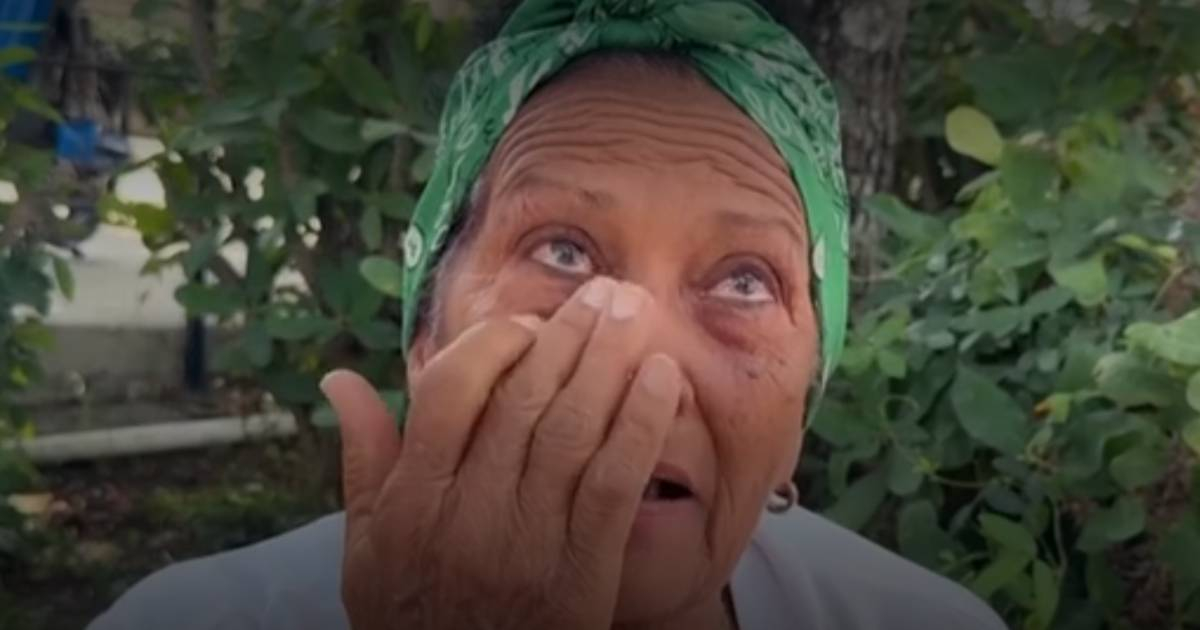
A Cuban woman, with a trembling voice and tears in her eyes, encapsulated the anguish of thousands of families on the island in a single sentence, stating, "I don’t want to be rich, but I don’t want to die of hunger." Her testimony, recorded by CNN, once again brought a human face to an energy crisis that has already transcended technical issues and directly impacts daily survival.
The woman spoke from a country where power outages last up to 15 hours a day, domestic gas has disappeared, and cooking has become an odyssey. She did not ask for luxuries or privileges, just the basics, which are to be able to eat, live with a minimum of dignity, and not depend, as she herself said, on "a miracle" for the situation to improve.
The energy collapse has worsened following the decision by the United States to definitively cut oil shipments from Venezuela to Cuba. After the intervention authorized by Donald Trump in Venezuelan territory and the capture of Nicolás Maduro, the U.S. president announced that there would be no more crude supply to the island from Caracas, one of the main sources of supply for the Cuban regime for years.
The consequences are already being felt on the streets. The lack of fuel is paralyzing public transport, further reducing mobility and increasing the cost of private car travel, which is unaffordable for most Cubans. “There are no buses,” recounted another islander interviewed by CNN, while a young woman summed up the drama starkly: “No salary can last through the month.”
According to data cited by international media, Cuba needs around 110,000 barrels of oil daily, but is only able to produce a portion of that. The rest depends on external supplies that are currently at risk. Recent estimates indicate that the available reserves would barely last for a few weeks, a scenario that anticipates longer blackouts and greater deterioration of daily life.
Washington has hardened its strategy. A new executive order signed by Trump threatens to impose additional sanctions on countries that supply oil to Cuba, arguing that the regime in Havana poses a threat to the national security and foreign policy of the United States. Energy supply has thus become a central axis of political pressure.
The Cuban leader Miguel Díaz-Canel responded by accusing the United States of attempting to "suffocate" the Cuban economy and described the measures as based on falsehoods. His foreign minister, Bruno Rodríguez Parrilla, spoke of blackmail and a new escalation of the blockade, while the official narrative once again clashes with the reality of households that spend hours without electricity, gas, or enough food.
Amid the pressures, Mexico announced the dispatch of humanitarian aid including food and essential goods, and expressed its intention to maintain the supply for humanitarian reasons. However, for many Cubans, that assistance does not alleviate the feeling of abandonment.
Filed under: