
Related videos:
Traveling to Cuba is once again becoming an uncertain gamble. The energy crisis affecting the Island is no longer just felt through power outages and the daily lives of Cubans, but it is now directly impacting international tourism, one of the few economic lifelines still sustaining the country.
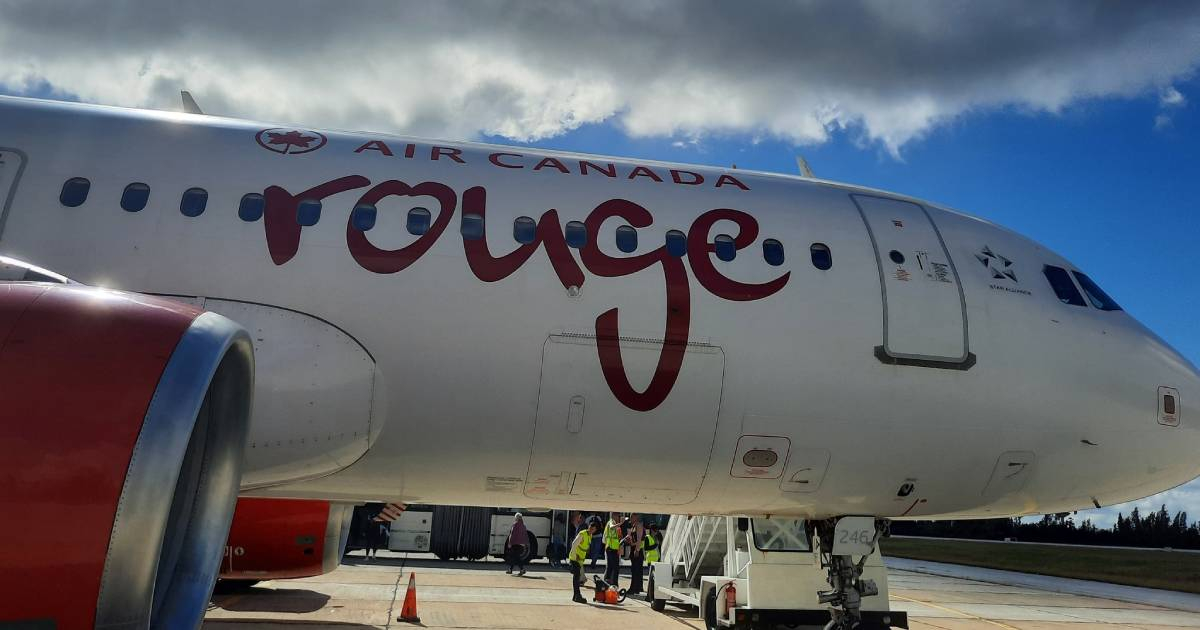
Several Canadian airlines have activated travel alerts, flexible changes, and passenger relocations after Havana's José Martí International Airport warned that it could run out of fuel for airplanes.
The information was confirmed by Reuters, which reported the issuance of an operational notice (NOTAM) warning that there will be no availability of Jet A-1 fuel for weeks, a warning of international significance.
A NOTAM, known as a "Notice to Airmen," is an official communication that alerts about critical conditions for air operations. In this case, the notification issued by the Havana airport is of an international nature, meaning that the warning is directed towards airlines and authorities from different countries.
The situation has raised alarms among travelers and airlines. The Canadian government had already elevated the caution level for those planning to visit Cuba, warning that the fuel shortage could affect flights, hotels, and tourist services. Soon after, companies like Air Canada, WestJet, Air Transat, and Sunwing began offering cancellation or change options without penalties, according to CBC News.
Behind these decisions are concrete stories. Toronto Sun reported that several resorts have temporarily closed to conserve resources, which has forced guests to be relocated to other facilities or even to change their destinations.
Air Transat confirmed that some travelers have already been moved to hotels of a similar or higher category, while others chose to modify their vacations due to uncertainty.
The crisis has a geopolitical background. Cuba has historically depended on fuel supplied by Venezuela, but since the United States blocked oil exports from the South American country and President Donald Trump threatened to impose tariffs on any nation that supplies the Island, the flow has been almost completely interrupted.
According to PAX, the Cuban authorities acknowledged that the country could run out of aviation fuel for at least a month, affecting all international airports, from Havana and Varadero to Holguín, Santiago de Cuba, and Cayo Coco.
The impact is already reflected in air operations. Air Canada confirmed to PAX that it has suspended passenger transport to Cuba on certain flights, operating only return routes to evacuate travelers from the country. WestJet and Sunwing state that they will continue to fly, although under constant monitoring and with contingency plans in place for potential interruptions.
Meanwhile, the Cuban government has responded with new emergency measures: reducing public transport, shortening the workweek, offering university classes remotely, and temporarily closing tourist facilities, all aimed at preserving fuel for essential sectors.
For many Cubans on the Island, these decisions are not new; for those living abroad who dream of visiting their families or returning, even if just for a few days, uncertainty once again prevails.
Although the Cuba Tourism Office in Toronto insists that the resorts are operating normally and that the country secured supplies in advance, airline notices, tourist relocations, and official alerts paint a different picture. Traveling to Cuba, once again, becomes unpredictable, caught between internal crisis, international pressure, and a country that continues to operate at the brink.
Filed under: