
Related videos:
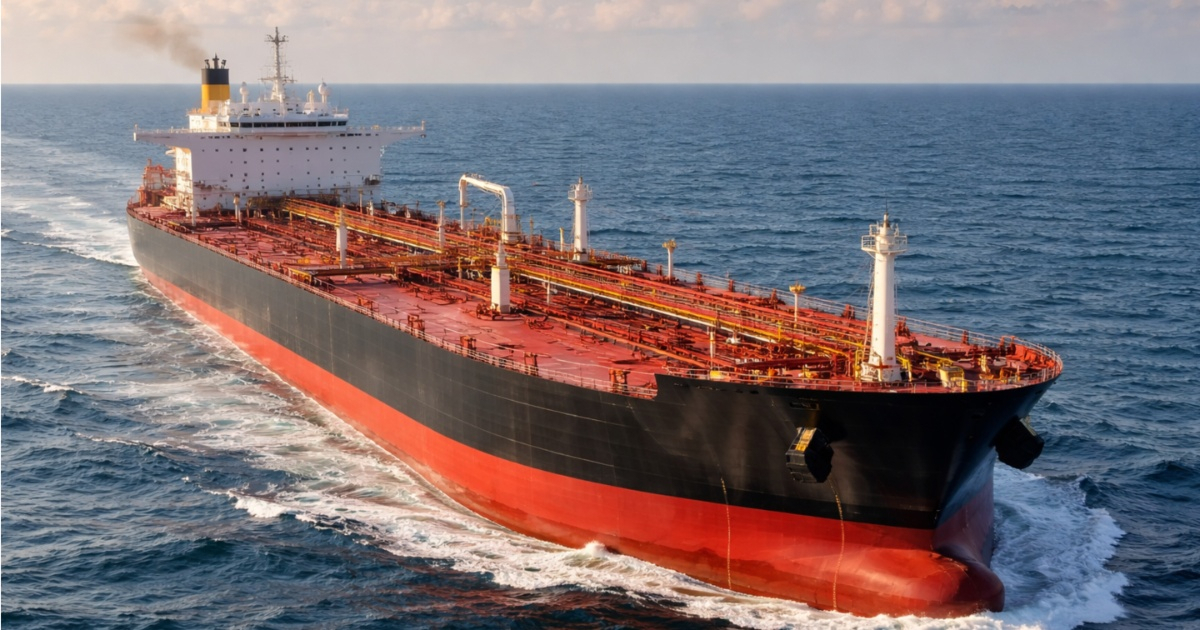
The liquefied petroleum gas (LPG) tanker Gas Exelero (IMO 9392042), part of the cabotage fleet managed by Cubametales — a company integrated into the military conglomerate GAESA — set sail on February 10 from the port of Cienfuegos and is currently navigating Caribbean waters, according to satellite tracking data.
The non-resident researcher at the Energy Institute of the University of Texas, Jorge Piñón, confirmed the information to Diario de Cuba and specified that the vessel departed for Kingston, Jamaica.
"The national oil company of Jamaica, Petrojam, owns and operates a refinery in Kingston that regularly supplies propane to Cuba on a cash basis," explained the specialist.
However, an image shared by the user Falcon (@FlconEYES) shows the Gas Exelero sailing at an approximate course of 125 degrees and a speed of 6.6 knots, moving away from the shores of Jamaica.
The tracking system indicates a route from Cienfuegos to the southern Caribbean. In the automatic route projection, Willemstad, Curacao appears as a reference, approximately 495 nautical miles away, with an estimated travel time of just over three days.
However, that route corresponds to a technical calculation of the AIS system and does not necessarily imply that it is the final destination.
Monitoring platforms such as Marine Traffic recorded the movement of the vessel, which in the afternoon hours of Wednesday was noted to be near Jamaican waters. The Gas Exelero, flying the flag of the Marshall Islands, is part of the assets used by the regime for the transportation of fuels amid the current energy crisis.
In early February, the Cuban tanker Emilia, also dedicated to the transport of LPG, traveled to Kingston, but it is estimated that it returned empty to Cuba as this movement coincided with the signing of an executive order by U.S. President Donald Trump, which declared Havana a threat to U.S. national security and imposed tariffs on countries that export oil to the Island.
The new journey of the Gas Exelero takes place in a critical context. Cuba has not received shipments of crude oil from Venezuela since December, and the last delivery from Mexico arrived on January 9.
The shortage has led to the halt of transportation, a reduction in working hours, the suspension of flights by airlines from Canada and Russia due to a lack of fuel, and has caused widespread impacts on the national economy.
Miguel Díaz-Canel affirmed that the government "has not given up on receiving fuel" and that active efforts were ongoing to ensure supplies.
Filed under: