
Related videos:
The Venezuelan regime claims to have released thousands of political prisoners since January 2026, but the independently verified figures by Foro Penal, the main organization documenting these cases, are significantly lower, according to media outlets like Infobae.
The discrepancy between both sources reveals a fundamental dispute over what constitutes a real release and who is excluded from the process.
The trigger for the process was the capture of Nicolás Maduro by U.S. forces on January 3, 2026, in the operation dubbed "Absolute Determination" ordered by President Donald Trump. Maduro was taken to New York and appeared before a federal court charged with narco-terrorism and drug trafficking. Delcy Rodríguez assumed the role of acting president of Venezuela.
On January 8, Jorge Rodríguez, president of the National Assembly, announced that a "significant" number of political prisoners would be released as a "gesture" from the government. That day, nine individuals were released. The process was gradual and had highly varying figures: on January 12, the government announced 116 releases, but Foro Penal only confirmed 41. On January 26, that same organization corroborated 250 releases since January 8, while Minister Diosdado Cabello announced 808 since December 2025.
The Amnesty Law for Democratic Coexistence was unanimously approved by the National Assembly on February 19 and enacted that same night by Delcy Rodríguez.
According to the Chavista deputy Jorge Arreaza, president of the parliamentary monitoring commission, in the first week of the law's implementation, 7,461 amnesty requests were received, and benefits were granted to 4,151 individuals: 217 who were incarcerated and 3,934 who remained under precautionary measures.
Foro Penal, however, only confirmed 109 releases of detainees from penitentiary centers during that same period. As of February 25, the organization reported 568 political prisoners still detained: 505 men and 63 women; 386 civilians and 182 military personnel; 52 foreigners; 567 adults and 1 adolescent. Up until February 24, only 91 prisoners had been confirmed released under the amnesty law, according to the same source.
The difference between the two figures stems from different criteria. The government includes in its totals individuals with non-custodial measures, while Foro Penal only counts actual releases of individuals who were physically in prison.
"In the context of the official announcements made by the authorities and following an independent and responsible verification process, we have confirmed the release of 67 individuals detained for political reasons at this time. This balance reflects only the cases that have been duly verified and is part of our commitment to communication based on verifiable facts and informational transparency," stated the organization Justicia, Encuentro y Perdón.
Foro Penal has also criticized the law as "incomplete and exclusionary." The regulation covers political episodes from 1999 to 2026, but only applies to 13 incidents occurring in 13 specific years and excludes cases linked to military operations, as well as crimes such as intentional homicide, crimes against humanity, and drug trafficking. The organization estimates that at least 400 political prisoners are left out of the law's scope. Furthermore, an official list of the individuals who would benefit has not been published.
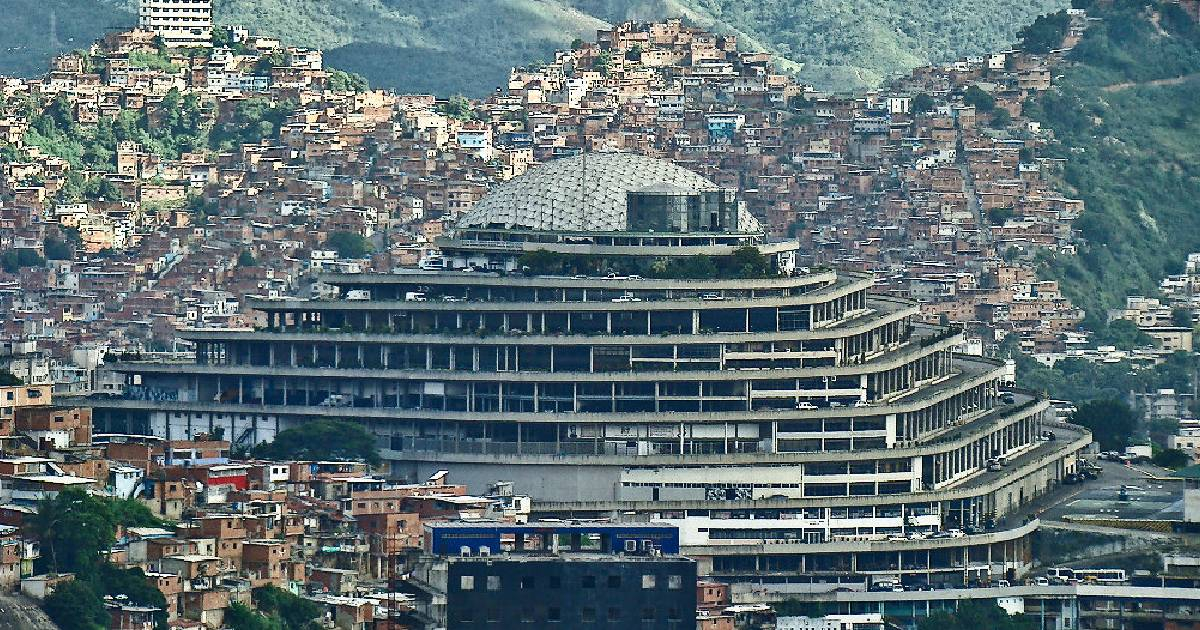
The tension on the ground is palpable. On February 22, more than 200 inmates at the El Rodeo I Prison began a hunger strike, including over 80 on a dry hunger strike, without consuming liquids, to demand their release. The Venezuelan Political Prisoners Liberation Committee (CLIPPVE) reported that 213 prisoners joined the protest. The next day, releases occurred in the prison, with more than 30 confirmed by Foro Penal.
Arreaza defended the process before the Parliament: "We can say that the work did not end with the unanimous approval of the law, but rather, on the contrary, it was a starting point and that this National Assembly is activated for democratic coexistence."
On his part, Donald Trump wrote on Truth Social: "I am pleased to report that Venezuela is releasing its political prisoners at an accelerated pace, a pace that will increase in the coming period. I thank the leaders of Venezuela for accepting this powerful humanitarian gesture."
Since January 8, Foro Penal has confirmed more than 500 total releases as part of the amnesty process, including those prior to the approval of the law. Before the process began, it was estimated that there were over 800 political prisoners in Venezuela. Since 2014, Foro Penal has documented 18,944 detentions for political reasons in the country. On March 1, the Argentine Nahuel Gallo was released and flew to Argentina, in one of the cases with the highest international visibility.
The Campaign Command of María Corina Machado reported that during a private hearing, a request was made to Pope Leo XIV to "intercede for the release of the more than a thousand political prisoners and for immediate progress towards the transition to democracy in Venezuela."
The figures reported by the opposition far exceed both the government's data and that of Foro Penal, highlighting that the process is far from over. While the regime presents amnesty as a historic advance, hundreds of families continue to wait outside Venezuelan prisons.
Filed under: