
Related videos:
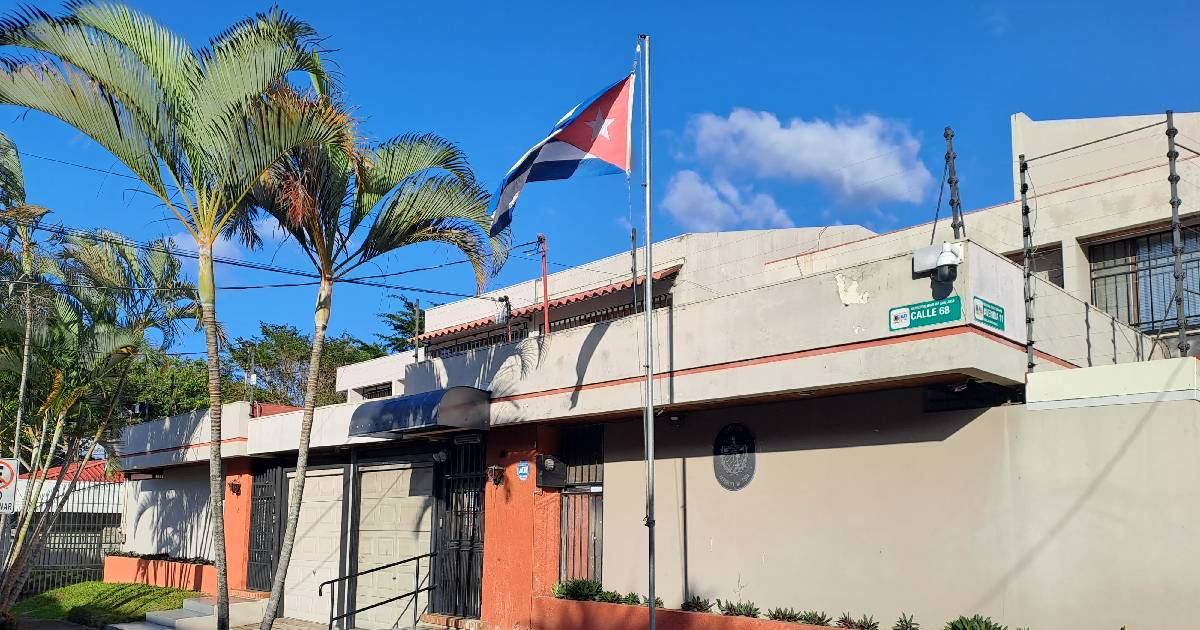
The Government of Costa Rica announced the closure of its embassy in Havana and requested the Cuban regime to withdraw its diplomatic personnel from San José, in a decision that reflects a strong political stance regarding the situation on the island.
According to Central Noticias CR on the social media platform X, President Rodrigo Chaves and Foreign Minister Arnoldo André confirmed the measure, which they explained is in response to the ongoing deterioration of human rights in Cuba, worsened in recent months by repression, blackouts, and widespread shortages.
"The measure reflects the country's deep concern over the sustained deterioration of the human rights situation on the island," André stated, who also denounced an increase in the persecution of activists, opposition members, and citizens who are critical of the government, as reported by CR Hoy.
The chancellor added that restrictions on fundamental freedoms such as expression, association, and peaceful assembly have intensified, while living conditions continue to deteriorate, with shortages of food, medicine, and basic services.
De facto diplomatic rupture
As part of its decision, Costa Rica requested Havana to act reciprocally and withdraw its diplomatic staff, leaving only minimal consular functions.
In fact, the Costa Rican embassy in Cuba had not had diplomatic personnel since February 5, which, according to the government, made it "practically impossible" to maintain normal operations on the island.
In addition, President Chaves announced that his country will not maintain direct consular representation in Cuban territory, and that assistance to its citizens will be coordinated from Panama.
The decision was discussed with the elected president, Laura Fernández Delgado, who supported the measure.
Political message to the Cuban regime
The Costa Rican government stated that the closure aims to send a clear signal about the need to respect fundamental rights, while expressing its solidarity with the Cuban people.
Chaves was more direct in questioning the political system of the island, stating that the Cuban model "has failed" and has historically relied on external support to sustain itself.
The leader acknowledged that the decision will generate criticism, but he defended it as a necessary response to what he described as an "unacceptable extreme" in the country's situation.
Increased international pressure
Costa Rica's measure comes in the context of increasing international pressure on Havana, amid a deep economic crisis that has further deteriorated the living conditions of the population.
Prolonged blackouts, fuel shortages, and lack of food have characterized recent months on the island, while reports of repression against those who protest or express discontent have increased.
Filed under: