
Related videos:
Venezuela is entering a new phase following the political disappearance of Nicolás Maduro, with a reorganization of power led by Delcy Rodríguez and signs of openness that coexist with a persistent economic crisis and considerable uncertainty, indicates an analysis from the Spanish newspaper El País.
The text, signed by regional correspondent María Martín (winner of the Gabo Award 2021), describes the atmosphere of activity and optimism—not without uncertainties—that prevails in the streets of Venezuela and the feeling that the country, after a long contraction, has finally begun to move.
Almost three months after the capture of Nicolás Maduro in a lightning military operation by the United States, the political landscape in Venezuela has undergone a significant change, notes the analyst.
Delcy Rodríguez has been gaining influence in power while cautiously sidelining leaders associated with madurismo, in an attempt to redefine the internal balance of chavismo without dismantling its fundamental structures, he notes.
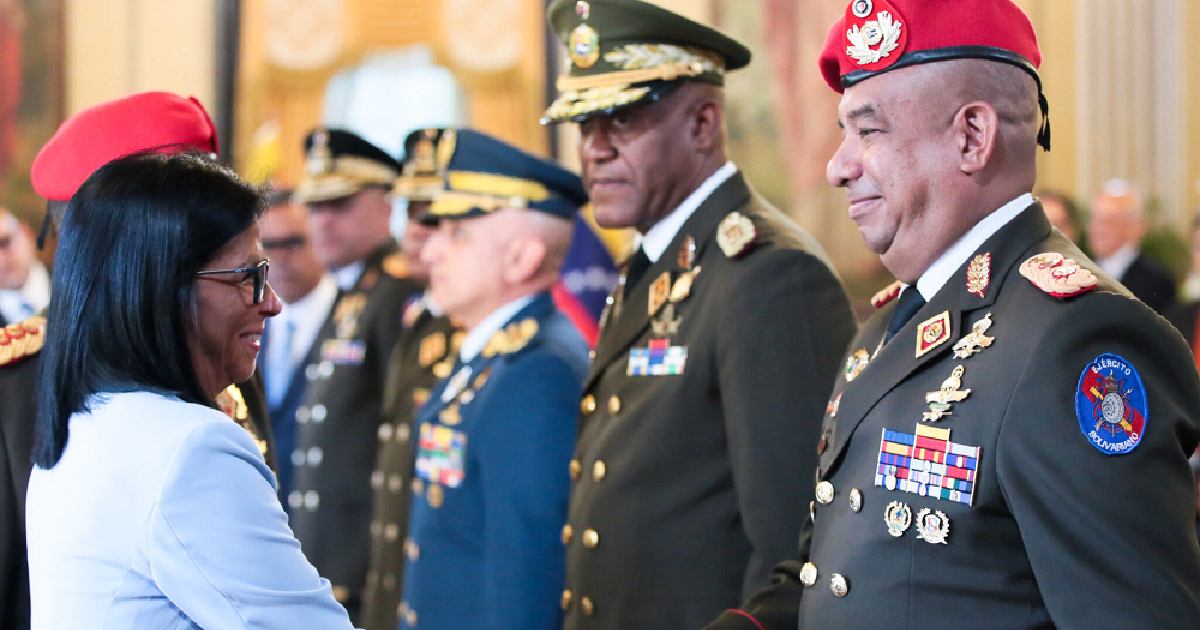
In this process, Rodríguez has pushed for changes in the ministerial cabinet and military hierarchy, replacing key figures with those aligned with his leadership, the journalist notes, emphasizing that even "the powerful Defense Minister, Vladimir Padrino, who controlled the country even after the defensive failure that resulted in Maduro's capture," was removed.
In Martín's view, “the most significant gesture of openness has been the amnesty law promoted by Rodríguez herself,” a measure that, despite the biases and lack of transparency pointed out by human rights organizations and opposition sectors, has already benefited hundreds of individuals, including those imprisoned and those released from precautionary measures.
Furthermore, the boost given to the economy is noteworthy: “The construction sector, oil revenues, the influx of investments, the sale of gold,” the reporter points out, while also mentioning shortcomings in this regard, such as triple-digit inflation —“the highest in the world”—, plummeting salaries, a high fiscal deficit, and an overall growth rate that, although remarkable, is insufficient to make the advances in the beleaguered reality of the South American country visible.
In this context, the analyst argues that various social sectors have begun to explore the limits of freedom of expression and assembly, in an environment described by observers as a process of change that is still difficult to define, but with signs of irreversibility.
The opposition, for its part, faces its own restructuring in the new scenario, Martín notes. Figures such as the deeply-rooted leader María Corina Machado remain outside the country and without a clear outlook for return, although at the beginning of this month she stated that she would return in a few weeks to the nation. Meanwhile, other opposition leaders are beginning to explore communication channels with the government.
"It is difficult to predict where the country is heading, whether there will be elections soon, and who will lead it in the coming years. What seems clear is that there is no turning back. This is largely because Venezuelans will no longer accept going backward," concludes the journalist.
The changes in Venezuela have had a significant impact on Cuba, which suddenly lost its main economic and political ally. The suspension of Venezuelan oil shipments, due to U.S. restrictions, has exacerbated the energy and multidimensional crisis on the Island.
Filed under: