
Related videos:
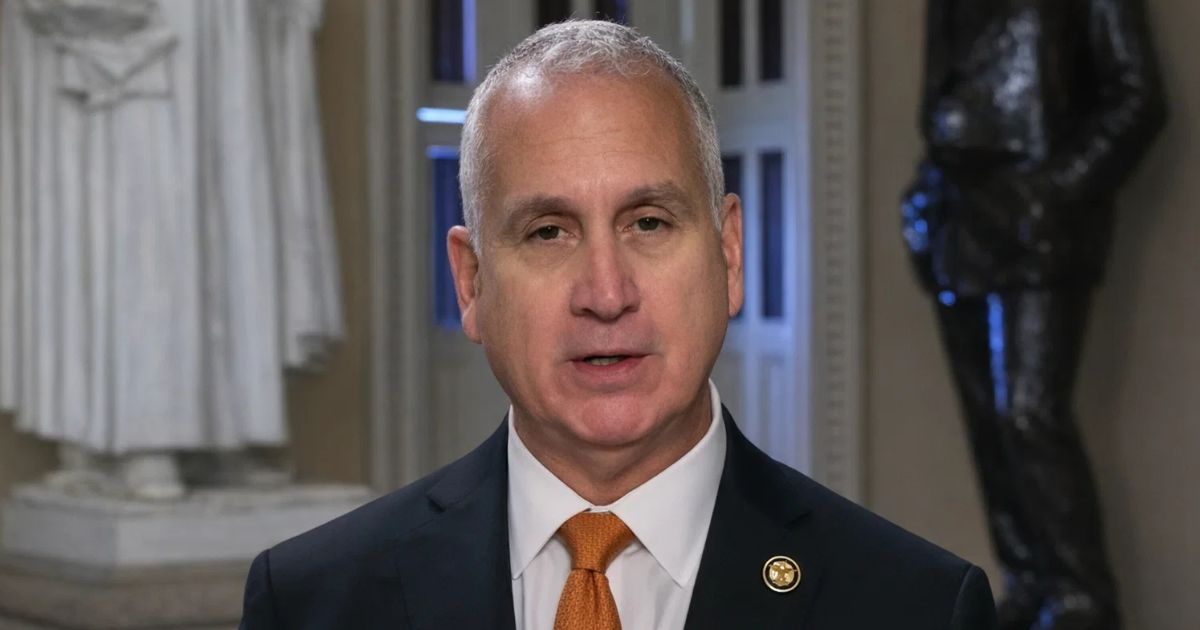
Republican Cuban-American Congressman Mario Díaz-Balart directly accused Mexican President Claudia Sheinbaum on Thursday of being "an accomplice in human trafficking" for maintaining the agreement to hire Cuban doctors.
His accusation, published on his official account on the social media platform X, was made in response to the statements she made the day before at a press conference.
In his message, Díaz-Balart was emphatic: "Sheinbaum is complicit in human trafficking. U.S. law is clear: there is no funding for countries or entities that benefit from the exploitation of Cuban doctors by Cuba, and there will be visa cancellations for officials who facilitate this."
The congressman's statements are a direct response to the press conference on Wednesday, in which Sheinbaum defended the continuation of the program and stated that it is "a bilateral agreement that helps Mexico significantly," especially in rural areas with a shortage of local doctors.
Regarding salaries, the Mexican president stated: "They are paid what they need to be paid."
However, a contract revealed by the Mexican media Latinus shows that Mexico transfers the funds directly to the Cuban government, not to the individual doctors.
According to documented reports on medical missions, the regime retains between 70% and 90% of the salary, leaving professionals with barely around 200 dollars a month, from a total cost of approximately 5,125 dollars per doctor per month. Additionally, deserting the program entails up to eight years of prohibition from returning to Cuba.
The program involves approximately 3,800 health professionals from 29 specialties, spread across 23 states through IMSS-Bienestar.
Mexico began hiring in 2020 under the government of Andrés Manuel López Obrador and expanded it under Sheinbaum, who in July 2024 raised the number of hires to that figure.
Sheinbaum also downplayed criticism of the Cuban regime during the same conference: "There are those who say, these right-wing commentators, that the Cuban people are living under a dictatorship. That's their opinion. Well, yes," she stated.
Díaz-Balart, chairman of the Subcommittee on National Security Appropriations, State Department, and Related Programs of the House of Representatives, has a long history of advocating against Cuban medical missions.
In 2022, led a letter to the Department of Labor alongside Cuban-American lawmakers requesting an investigation into the program in Mexico for possible violations of the USMCA, describing it as "modern slavery."
The FY26 Appropriations Act that President Trump signed includes funding prohibitions for entities that benefit the Cuban regime and 35 million dollars for democracy programs on the island.
Mexico has become the leading country resisting Washington's pressure on this issue. Honduras, Guatemala, Jamaica, and Guyana have already canceled their Cuban medical programs in the first months of 2026.
Medical missions generate between 5 billion and 8 billion dollars annually for the regime in Havana, making them one of its main sources of foreign income.
Filed under: