
Related videos:
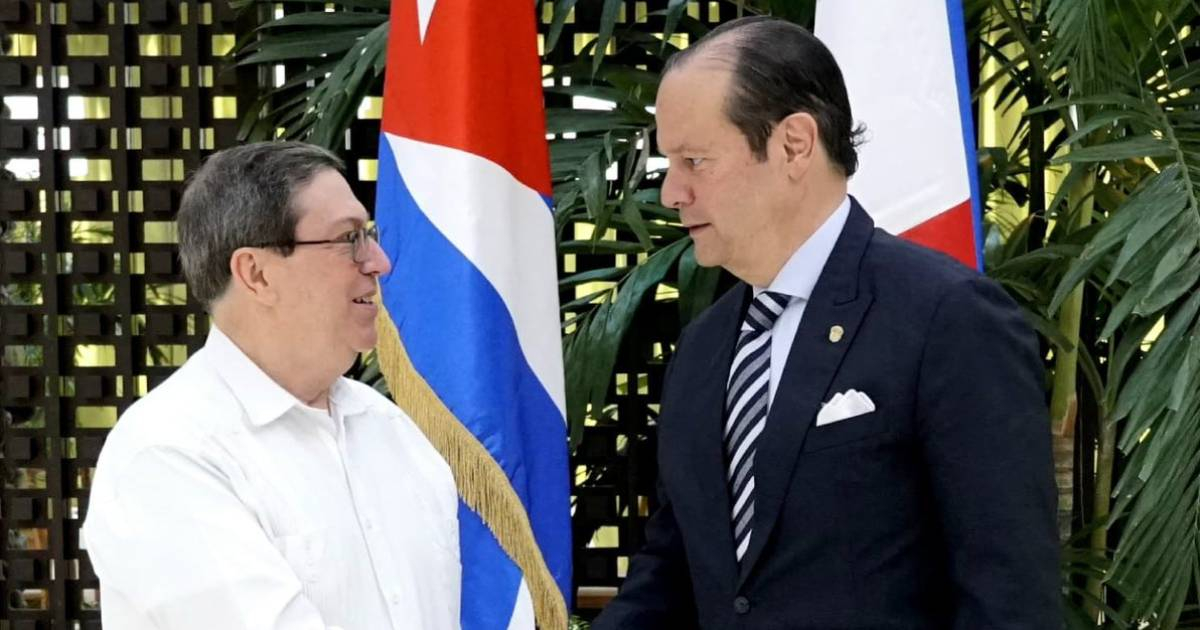
The arrival of Panama's chancellor, Javier Martínez-Acha, announced by state media, takes place in a tense and concerning context: the fate of ten Panamanian citizens who remain detained in Cuba after being accused of engaging in actions deemed "subversive" by the regime.
The head of Panama's diplomacy was received this Tuesday by his Cuban counterpart, Bruno Rodríguez, in an official meeting characterized by statements on cooperation and historical relations between the two countries. However, the context of the visit directly points to a case that has raised concerns both inside and outside the island.
The ten Panamanians were arrested at the end of February and remain detained at Villa Marista, the headquarters of State Security in Havana. Cuban authorities accuse them of propaganda against the constitutional order, a crime that could carry penalties of up to eight years in prison.
Before traveling, Martínez-Acha made it clear that his intention was to visit the detainees and engage in dialogue with the Cuban government to seek a resolution to the case, emphasizing the necessity of respecting due process and the legal guarantees for his fellow citizens.
The official version maintains that those involved painted messages against the Cuban political system in various locations throughout the capital. Among the slogans, phrases such as "Down with the tyranny" and expressions of support for American political figures are mentioned. According to the Ministry of the Interior, the detainees allegedly received financial incentives for these actions.
However, other reports suggest that the group may have traveled to Cuba for humanitarian purposes, amidst the deep economic crisis the country is facing, characterized by shortages, blackouts, and rising social discontent.
The case has sparked reactions both in Panama and on the island. The Panamanian government has maintained ongoing diplomatic efforts and has demanded permanent consular access, while in Havana, posters have emerged and protests have been reported demanding the release of the detainees.
Although both sides emphasized the "friendly" ties and the willingness to cooperate during the official meeting, the visit of the Panamanian chancellor comes at a critical moment. For the families of the detainees, it represents an urgent opportunity to advance toward a solution that avoids severe sentences in a process that is still in its early stages.
Meanwhile, the case continues to evolve amid growing international attention and an increasingly tense social environment within Cuba.
Filed under: