
Related videos:
The Electric Union of Cuba (UNE) reported on Wednesday that the National Electric Power System (SEN) is on the verge of total collapse: at 6:00 AM, the availability was only 1,145 MW compared to a demand of 2,320 MW, leaving a shortage of 1,185 MW.
At peak times, an estimated impact of 1,300 MW is expected.
The forecast for peak nighttime hours is even more critical, according to the official report from UNE published on March 25.
According to the report, a capacity of 1,145 MW is expected for the nighttime peak with a maximum demand of 3,000 MW, resulting in a deficit of 1,855 MW. If the projected conditions persist, an impact of 1,885 MW during that period is forecasted.
The UNE confirmed that on Tuesday, the service experienced a capacity shortfall throughout the 24 hours, with a peak maximum reaching 1,881 MW at 7:50 PM, and the impact continued into the early hours of today.
Seven units from the CTEs Mariel, Santa Cruz, Felton, and Antonio Maceo are out of service. Additionally, two blocks from the CTEs Mariel and Nuevitas are under maintenance.
In addition, due to limitations in thermal generation, 374 MW are out of service.
24-hour blackouts in Havana
On the other hand, the Electric Company of Havana reported that on Tuesday, the power service was interrupted for 24 hours, with a maximum impact of 330 MW at 8:00 PM.
It was necessary to interrupt 130 MW due to an emergency, and it was not possible to restore the service due to a deficit.
At the time of the report, four blocks (148MW) were out of service, with an expectation to restore them in the morning.
Worsening crisis
This situation is part of a growing energy crisis that has been ongoing for weeks, with deficits already nearing 1,800 MW in February.
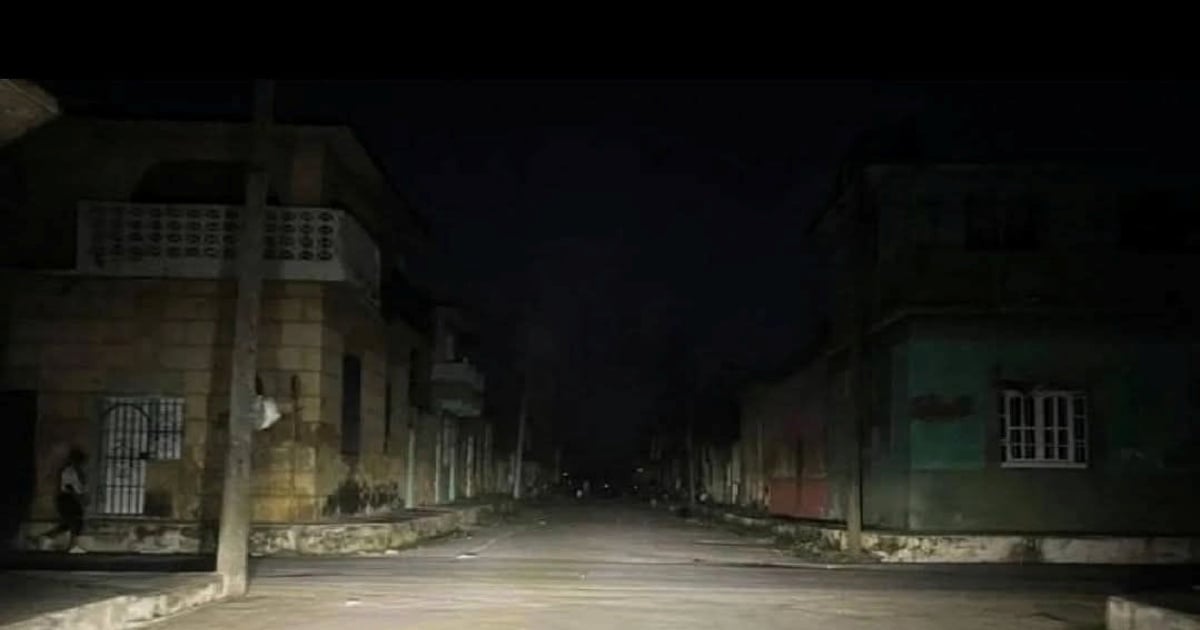
The week began with a complete breakdown of the system. The past second total blackout of the week occurred on Sunday, March 22, following another failure of the SEN, while the authorities warned about a slow recovery of the system.
Although the SEN was reconnected on Monday, massive blackouts persisted with no relief for the population.
Experts have pointed out the structural causes of the problem: a 30-year investment gap that explains the collapse of the Cuban electrical system.
Citizen desperation over prolonged power outages has led to protests. In the cities of Ciego de Ávila, Havana, and Las Tunas, residents have taken to the streets with pot banging and against blackouts, reflecting the accumulated discontent among the Cuban population.
Filed under: