
Related videos:
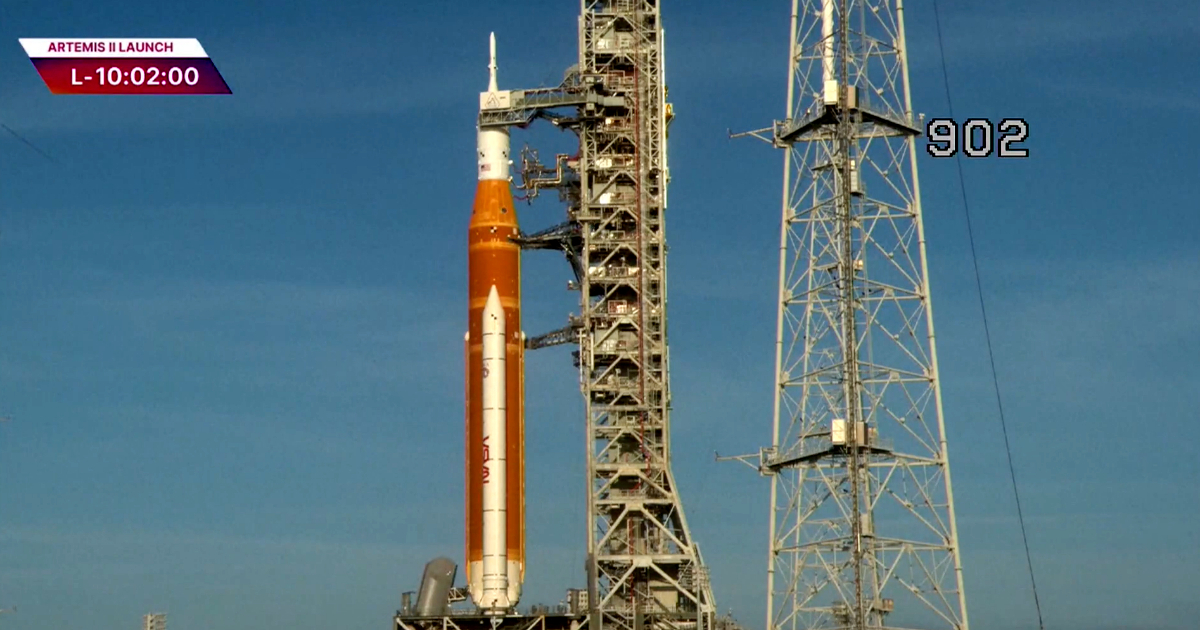
The NASA is scheduled to launch on Wednesday, April 1, the Artemis II mission, the first crewed flight around the Moon in more than 50 years, marking a crucial step within the ambitious program through which the United States aims to regain leadership in space exploration.
The launch is scheduled for 6:24 PM (Eastern Time) from the Kennedy Space Center in Florida, which corresponds to 12:24 AM on April 2 in Spain. However, this date is tentative and subject to change based on weather conditions or last-minute adjustments.
Artemis II will carry four astronauts on a mission lasting about ten days, during which they will perform a flyby around the Moon before returning to Earth. Although it does not include a lunar landing, this flight will serve as preparation for Artemis III, which aims to bring humans back to the lunar surface for the first time in the 21st century.
Beyond the technical milestone, the mission is part of a broader strategy. NASA is working on the development of permanent infrastructure on the Moon, including a nuclear reactor that could be operational by 2030 and would support future inhabited bases.
This energy system is considered crucial due to the extreme conditions of the satellite, where one lunar day is equivalent to 28 terrestrial days, featuring long periods of darkness during which solar energy is insufficient. Nuclear power, according to experts, would be essential to ensure continuous operations and the survival of crews.
The project also addresses a growing geopolitical competition. The United States aims to outpace China and Russia, which have announced similar plans for the coming decades, in a new race for strategic control of areas with key resources such as lunar ice.
In this context, Artemis II represents much more than a symbolic return to the lunar environment: it is the first step of a plan that combines scientific exploration, technological development, and geopolitical positioning in space.
If successfully completed, the mission will pave the way not only for the return of humans to the Moon but also for the establishment of a sustained presence that will serve as a platform for future expeditions to Mars.
Filed under: