
Related videos:
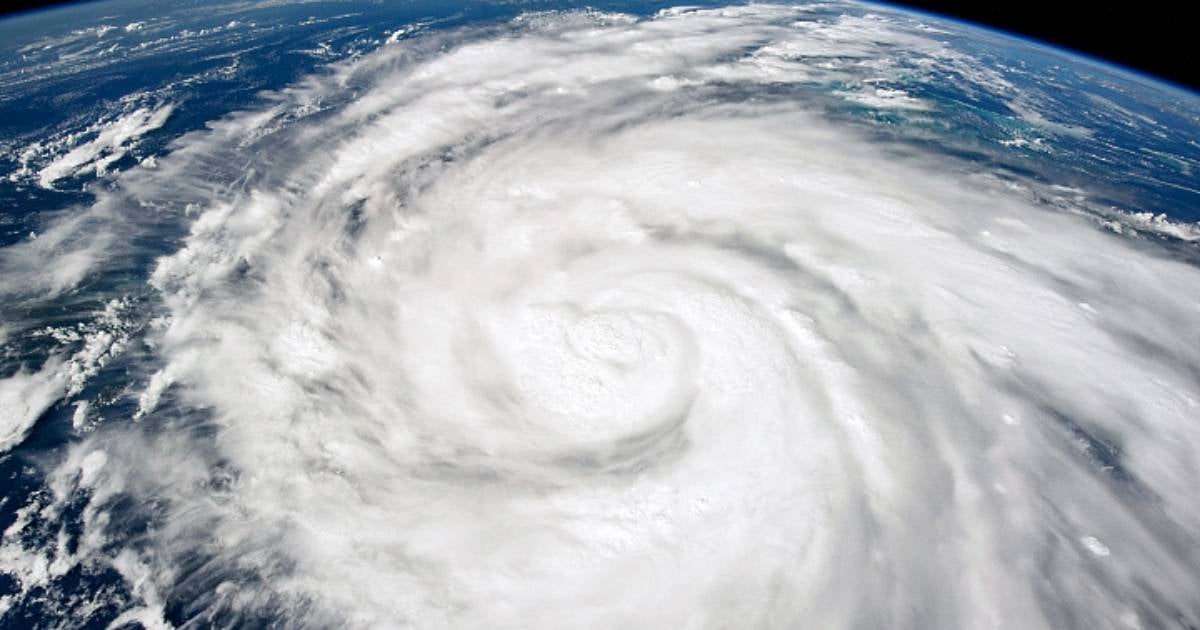
The U.S. agency responsible for monitoring the weather, the National Oceanic and Atmospheric Administration (NOAA), announced that it will lose access to crucial satellite data for hurricane forecasting starting July 31, amidst one of the most intense hurricane seasons anticipated for the Atlantic in recent years.
The announcement, according to the agency Efe, comes after the Department of Defense decided to cut off the flow of information coming from the Defense Meteorological Satellite Program, citing reasons to mitigate cybersecurity risks.
NASA has secured an extension that extends access until the end of July, but the impact is already worrying at-risk communities, especially in the Caribbean and southern Florida, where thousands of Cubans reside.
Experts from Colorado State University estimate a 51% probability that a major hurricane (category 3 or higher) will make landfall in the U.S. this year. The Caribbean region is also under alert due to the warming of the Atlantic Ocean, which fuels the formation of more powerful cyclones.
For thousands of Cubans living in South Florida, and for their families on the island, inaccuracies in weather models can mean the difference between evacuating in time or being trapped in the midst of a disaster.
The news comes in the context of significant budget cuts promoted by President Donald Trump. His call for a "great and beautiful piece of legislation", recently approved in the House of Representatives, aims to reduce NOAA's budget by nearly 30% and cut $646 million from FEMA, the federal agency responsible for responding to natural disasters.
With fewer resources and now reduced access to key data, the ability to respond to hurricanes could be seriously compromised, affecting both residents in the U.S. and neighboring countries that rely on American weather monitoring.
Weeks before the official announcement, the renowned meteorologist John Morales, a trusted voice followed by many Latino families in South Florida, had publicly warned that budget cuts in NOAA and the National Weather Service (NWS) threatened the accuracy of forecasts.
“This year, the predictions could fail. We are facing a very dangerous situation”, warned Morales during a live broadcast on NBC 6, noting that the degradation of operations, massive layoffs, and technical limitations were seriously weakening the ability to respond to hurricanes.
Among the most serious concerns, Morales emphasized the possibility that hurricane hunter aircraft may not operate this year due to a lack of funding. These aircraft are essential for collecting real-time data on the intensity and trajectory of cyclones. Without them, and now without access to military imagery, meteorologists are virtually flying blind when facing storms that could cost lives.
Frequently asked questions about the loss of access to NOAA satellite data and its impact on hurricane forecasts
Why will NOAA lose access to crucial satellite data for hurricane forecasting?
NOAA will lose access to satellite data due to a decision by the Department of Defense to cut the flow of information from the Defense Meteorological Satellite Program, citing cybersecurity risk mitigation.
How will budget cuts affect the accuracy of hurricane forecasts?
The budget cuts promoted by the administration of Donald Trump have weakened the operational capacity of NOAA and the National Weather Service, compromising the accuracy of hurricane forecasts due to a lack of personnel and essential resources such as hurricane hunter aircraft.
What is the risk to residents of the Caribbean and Florida due to the loss of satellite data?
The loss of satellite data could reduce the accuracy of weather models, which means that at-risk communities, especially in the Caribbean and southern Florida, may not receive adequate early warnings to evacuate in time during a hurricane.
What measures have meteorologists taken in response to these challenges?
Meteorologists like John Morales have made public appeals to the community to pressure their representatives and reverse the budget cuts. They have warned about the degradation of meteorological operations and the importance of having adequate resources to issue accurate forecasts and save lives.
Filed under: