
Related videos:
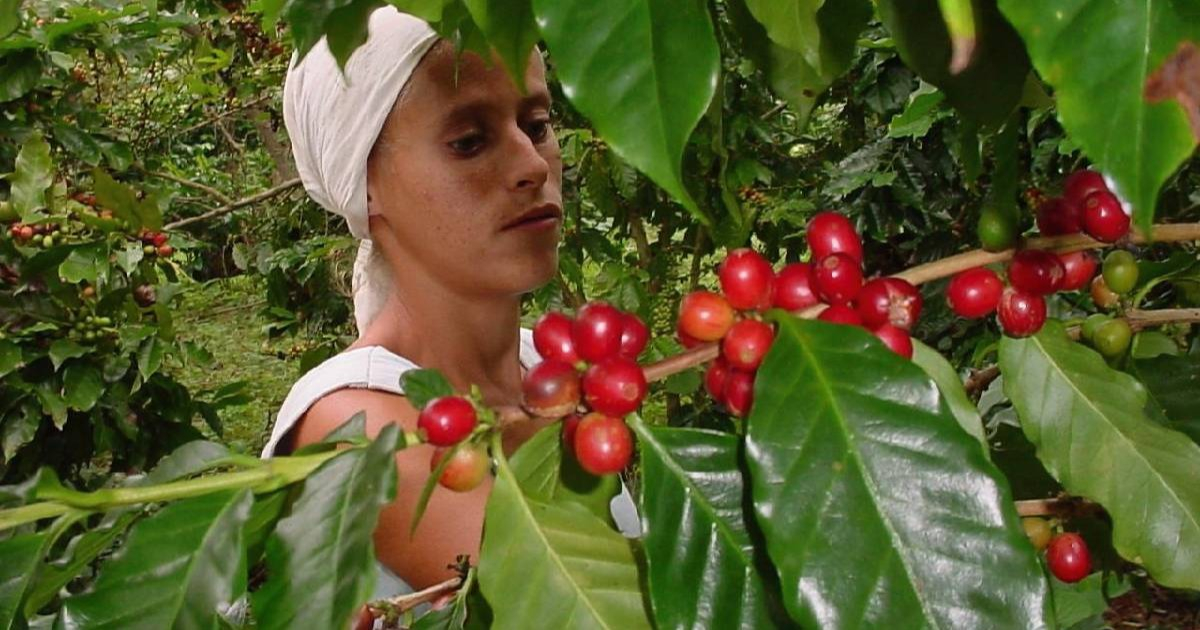
While millions of Cubans have gone years without access to coffee in the stores, the regime announces plans to increase exports of the product from the province of Guantánamo.
According to an official report published today by Cubadebate, the province closed the first quarter of 2026 with approximately 370 tons exported, exceeding 72 million pesos in value, and exportable services surpassed 16.9 million pesos in the same period.
The regime identifies two exporting poles in Guantánamo: the Capitán Asdrúbal López Vázquez Coffee Processing Company, with its commercial brand Alto Serra, and the Agroforestal y Coco Baracoa.
A total of 37 companies and one Mipyme from the province are engaged in the production of goods intended for export.
For the second half of the year, the authorities plan to add new products to the traditional categories—coffee, honey, cocoa, and coconut derivatives—such as tetí (marine fry), long coconut fiber, habanero chili pepper, ginger, coconut oil, salt, hardwood, and chocolate tablets.
The mixed company Baracocoa S.A. is also being promoted, a partnership between Alimentos y Bebidas and the Slovak company Proxenta, with the aim of producing 7,000 tons of cocoa, although it is still awaiting approval of its legal regulations.
The contradiction is hard to ignore: Cuba does not produce the 24,000 annual tons of coffee that its domestic consumption demands, and production has plummeted from more than sixty thousand tons in the 1950s to just 11,500 tons in 2021, of which only 1,365 were exported.
The sector has accumulated losses exceeding 300 million pesos since the Task of Ordering, further worsening the situation.
The coffee harvest 2024-2025 in Santiago de Cuba —the main producing region— only reached 65% of the target by the end of April 2025, affected by the massive exodus of rural workers and rains that accelerated the maturation of the beans.
The exodus has left the coffee-growing regions of Guantánamo and Santiago de Cuba without a workforce, with 30% of young people aged 15 to 34 having emigrated from rural areas.
The Minister of Food Industry himself attributed the coffee shortage to a lack of raw materials.
In Holguín, regulated coffee returned to the stores in April 2025 after five months of absence, which many Cubans interpreted as a propaganda gesture related to May 1st. "May 1st is coming and we need to be kept happy", summarized a Cuban woman the situation.
All of this occurs in the context of the elimination of subsidies for the regulated basic basket starting in April 2025, which has further impacted the population's access to essential goods such as coffee.
Filed under: