
Related videos:
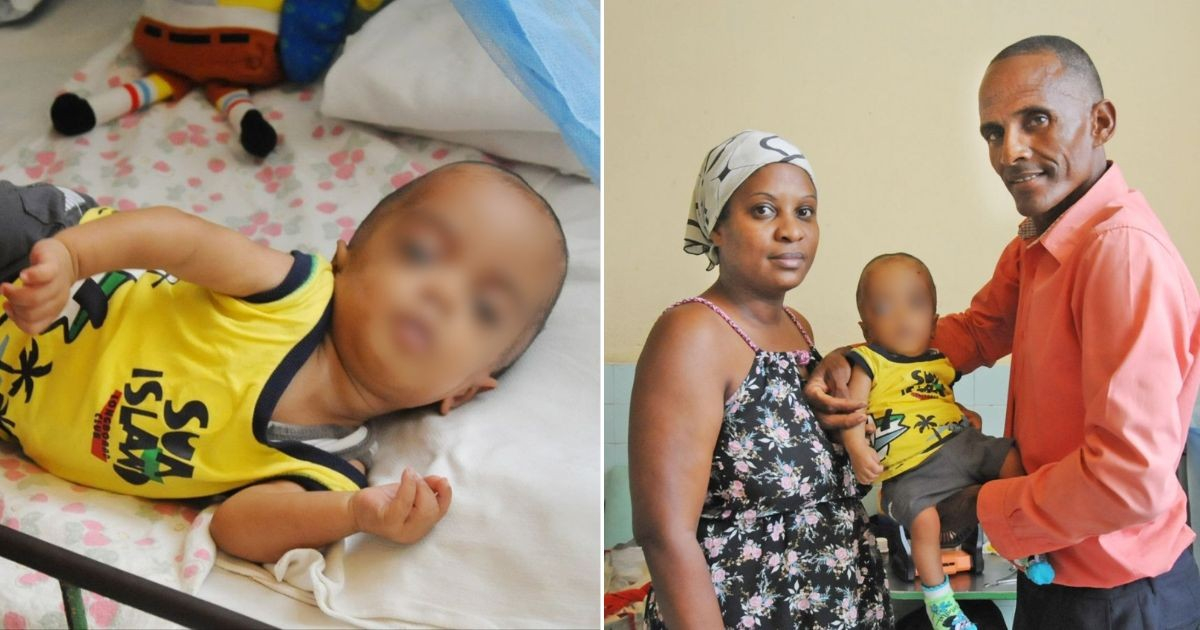
For Yordis Andrews Rodríguez and Ayleni Sariol Sánchez, March 20th is etched as one of the most intense days of their lives.
For more than two hours, they waited as their eight-month-old son Adabi underwent a delicate surgery that could change his fate, with the added fear of facing it in a hospital system marked by one of the greatest shortages in its history.
According to a report published by the official news portal Cubadebate, the baby underwent surgery to install a shunt system that would drain the excess cerebrospinal fluid accumulated in his brain, a condition that threatened his development and life, which was already precarious given the circumstances in Cuba.
The story of Adabi began at his birth when he was initially diagnosed and treated in Guantánamo for myelomeningocele, a congenital malformation of the spine, and later for hydrocephalus, an abnormal accumulation of fluid in the skull.
Since then, her family has faced a complex medical process, characterized by transfers between provinces, specialized tests, and treatments that failed to halt the progression of the disease, in addition to the shortages experienced by the population.
As his condition worsened, the doctors opted for surgery.
The procedure involved transporting the child under delicate conditions to another hospital, in a race against time to relieve the pressure on his brain.
After the surgery, Adabi spent several days in intensive care and then in recovery, always accompanied by his parents, who never left his side at any moment.
For them, every hour has been a test of emotional endurance.
Beyond the medical outcome, the story reflects the anguish of a family that has had to confront uncertainty, fear, and hope simultaneously, clinging to the possibility that their child may have a better quality of life.
This case adds to other recent stories that reflect the challenges patients in Cuba face in accessing medical treatments amid shortages.
In previous weeks, the situation regarding a baby who could not undergo surgery in time due to a lack of resources made headlines, along with the race against time to save another newborn who needed urgent surgery to survive.
It was also reported the case of a young man in Trinidad whose life was at risk at the end of the year, in a context where material limitations affect medical care.
These experiences highlight the challenges surrounding the healthcare system on the island, especially in critical situations.
Filed under: