
Related videos:
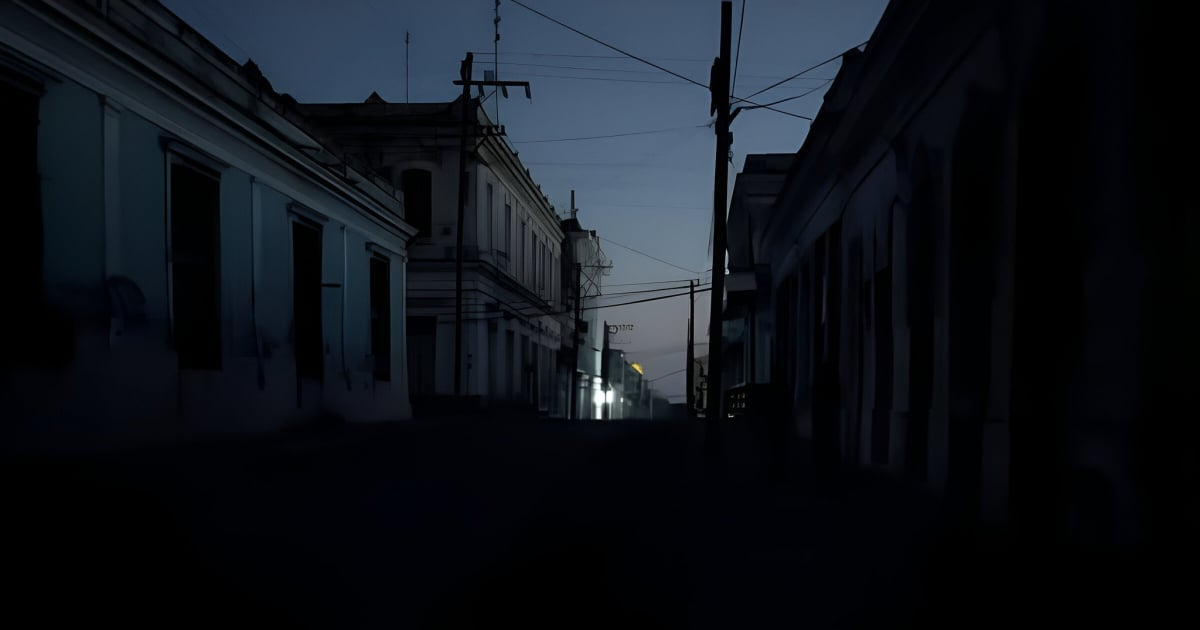
The Electric Union (UNE) forecasted this Saturday an impact of 1,515 MW for the peak nighttime hours, with an availability of only 1,515 MW against an estimated maximum demand of 3,000 MW, which represents a deficit of 1,485 MW.
The situation was already critical from the early hours of the day: at 6:00 AM, the availability of the National Electric System (SEN) was 1,455 MW with a demand of 2,380 MW, leaving a shortfall of 964 MW, and by noon, an impact of 1,000 MW was anticipated.
Friday was even worse. The peak impact due to a generation capacity deficit reached 1,754 MW at 8:40 PM, exceeding what was planned due to the late entry—after the peak—of unit 6 from Energas Boca de Jaruco.
Among the main incidents this Saturday are breakdowns at Unit 5 of the Antonio Maceo Thermoelectric Power Plant and Unit 2 of the Felton Thermoelectric Power Plant, in addition to units under maintenance at the Mariel, Renté, and Nuevitas power plants, resulting in 377 MW of thermal generation out of service.
As the only relief from the forecast, UNE reported that the entry of Unit 1 of the CTE Habana is expected, providing 60 MW for peak demand hours, although at the time of the publication, it was still in the startup process.
At 10:36 AM this Saturday, UNE updated on its social media that the Unit 1 of the CTE Ernesto Guevara De La Serna is back online, which could marginally improve the outlook for the evening peak.
The 54 photovoltaic solar parks produced 3,837 MWh on Friday, with a peak power of 546 MW at noon, although this source does not contribute generation during peak nighttime hours, when the greatest impacts occur.
The forecast for this Saturday, although lower than the recent worst records, remains devastating for the population. So far in April, the peak nighttime outages have ranged between 1,609 MW on April 2 and 1,945 MW on April 1, with a peak of 1,871 MW on April 7. On March 16, the SEN experienced a total system disconnection.
The crisis has structural causes: an aging and severely deteriorated thermoelectric infrastructure, more than three consecutive months without regular supplies of diesel, fuel oil, and liquefied gas, and the cessation of shipments from Venezuela and Mexico since January 2026, following the capture of dictator Nicolás Maduro by U.S. troops and the increasing pressure from Washington on Havana.
The UN has warned that at least two million people in Cuba are facing a severe crisis marked by the deterioration of basic services, in an environment of prolonged blackouts, lack of fuel, and the collapse of essential infrastructure. The healthcare system has over 96,000 pending surgeries, including about 11,000 for children.
Filed under: