
Related videos:
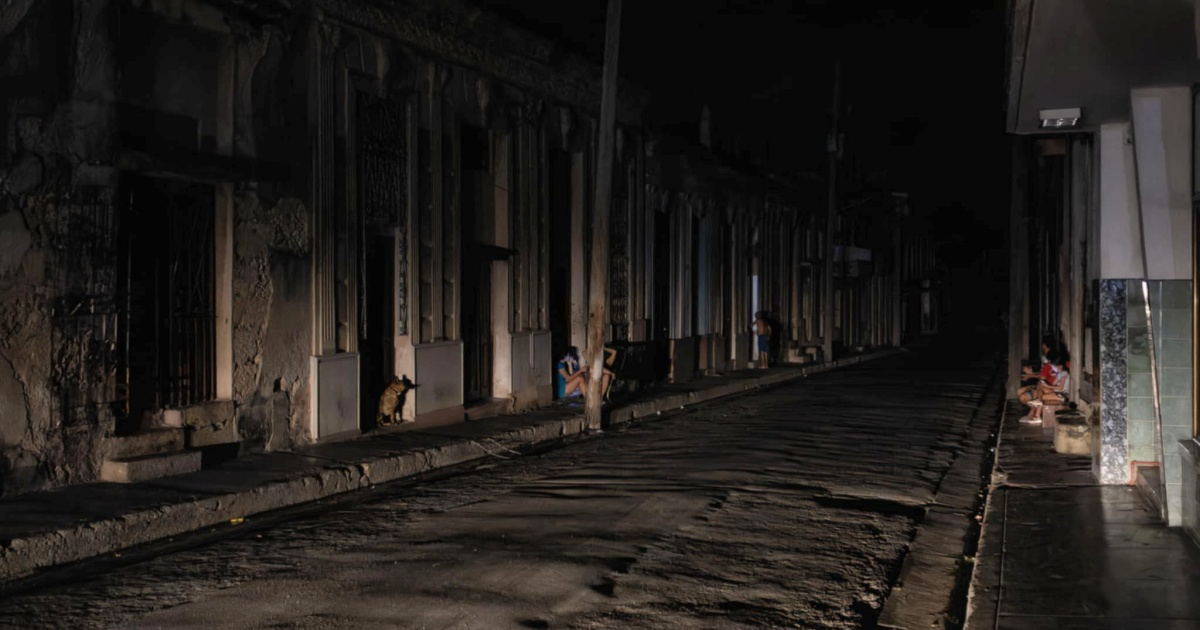
The Electric Union predicts a power deficit of 1,630 MW for this Sunday during the peak nighttime hours, which according to the EFE agency means leaving 55% of the national territory without electricity at the same time.
At 06:00 hours today, the availability of the National Electric System was just 1,350 MW compared to a demand of 2,202 MW, with 866 MW already uncovered at that moment.
By noon, a shortfall of 1,100 MW was expected, and the situation is expected to worsen during the night hours. The Electric Union itself confirms this in its information note: "For the peak demand period, a capacity of 1,350 MW is anticipated against a maximum demand of 2,950 MW, resulting in a deficit of 1,600 MW. Therefore, if the projected conditions hold, a shortfall of 1,630 MW is forecasted during this time."
Saturday was equally devastating. The maximum impact reached 1,537 MW at 8:20 PM, exceeding the planned figures due to the non-startup of unit 1 at the Santa Cruz Thermoelectric Power Plant, and the service experienced interruptions throughout the entire day.
The incidents explaining the deficit this Sunday include breakdowns at Unit 1 of the CTE Ernesto Guevara De La Serna, Unit 5 of the CTE Antonio Maceo, and Unit 2 of the CTE Felton, in addition to units under maintenance at CTE Mariel, Renté, and Nuevitas, resulting in 373 MW of thermal generation being out of service, as detailed in the note from the Unión Eléctrica.
As the only partial relief, it is mentioned that the 54 photovoltaic solar parks produced 3,825 MWh on Saturday, with a peak power of 526 MW at noon, although this source does not contribute generation during peak nighttime hours, which is precisely when the greatest impacts occur.
The crisis has direct and documented humanitarian consequences. This very Sunday, a blackout at the Saturnino Lora Provincial Hospital in Santiago de Cuba forced the evacuation of between 12 and 14 patients from the Intensive Care Unit, an incident confirmed by the official state press itself.
The situation is set against the backdrop of the most severe energy crisis in recent Cuban history. So far in April, the peak nighttime outages have ranged from 1,609 MW on the 2nd to a maximum of 1,945 MW on the 1st. On Tuesday the 7th, 1,871 MW of outages were recorded due to the shutdown of the CTE Antonio Guiteras following a boiler malfunction.
The causes are structural: an aging and deteriorating thermoelectric infrastructure, more than three consecutive months without regular supplies of diesel, fuel oil, and liquefied gas, and the cessation of shipments of Venezuelan oil since January 2026 following the capture of Nicolás Maduro, as well as the halt of shipments from Mexico under pressure from Washington.
The government has not shown a clear strategy to reverse such a complex situation; however, experts assert that stabilizing the electrical system in the country would require investments amounting to billions of dollars over several years.
On March 16, the National Electric System experienced a total disconnection that lasted 29 hours and 29 minutes, leaving the entire Island without electricity.
While the population suffers from blackouts, the regime responds with threats. The government presenter Humberto López warned on Saturday of penalties of up to life imprisonment or the death penalty for those who damage the electrical system. Meanwhile, residents of La Güinera, in Havana, staged protests with pots and pans due to the lack of electricity.
The UN has warned that at least two million people in Cuba are facing a severe crisis, with over 96,000 surgeries pending, including 11,000 in children.
Filed under: