
Related videos:
The statements made by Mariela Castro Espín during the political event on Friday in front of the José Martí Anti-Imperialist Tribune in Havana reignited the debate about the gap between the official rhetoric of the Cuban regime and the reality faced by the citizens, according to an analysis published on Facebook by content creator Irving William Denie Ruz.
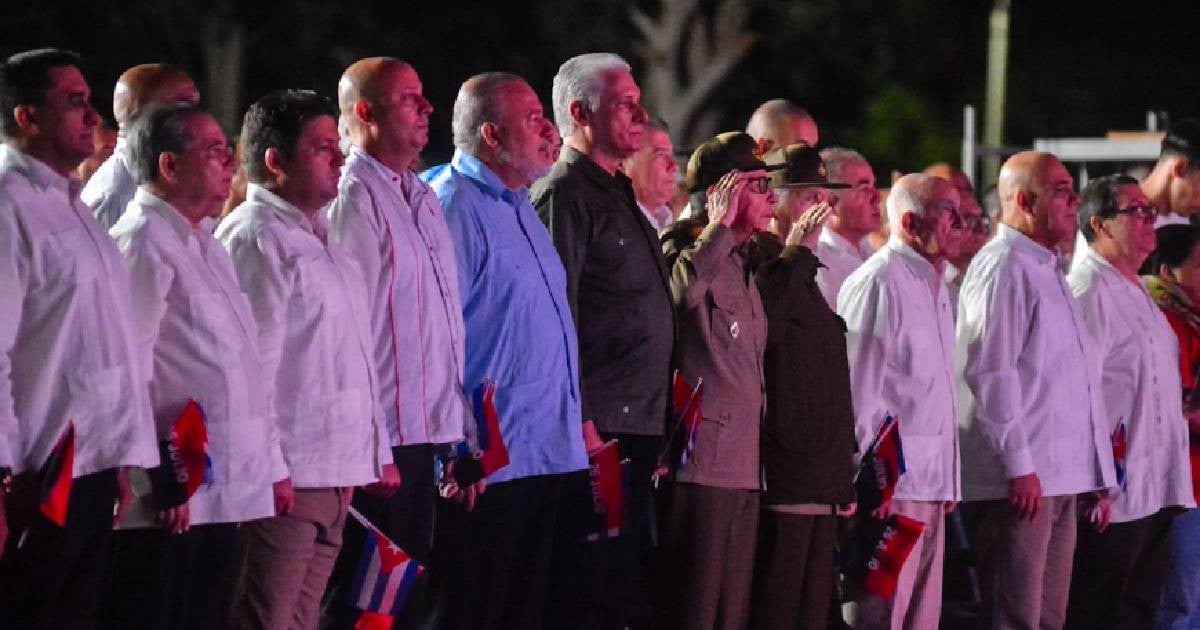
The event was called following the formal indictment of Raúl Castro by the United States Department of Justice, declassified on May 20, which includes charges of conspiracy to assassinate American citizens and four counts of homicide for the shooting down of the Hermanos al Rescate planes in 1996.
Mariela Castro challenged Washington with statements like "They said they were coming today; we are waiting for them here," and "No one is going to kidnap him. I can assure you of that. Neither him nor anyone else," describing Cuba as "a small, poor country, but with combat experience against the imperialism led by the United States."
Raúl Castro, 94 years old, did not attend the event. His daughter conveyed his supposed words: "No one takes me alive. They will catch me fighting."
Denie Ruz describes this rhetoric of "invincibility" as a historical fallacy.
"The narrative of power, by defining itself as eternal or indomitable, makes the fundamental mistake of confusing the control of institutions with the control of popular will," writes the analyst.
The central argument is that by blocking internal democratic avenues, the regime does not strengthen itself; rather, it creates a vacuum that precisely invites the foreign intervention it claims to fear.
"If the people have mechanisms for change, the solutions are internal, sovereign, and stable. If the people are silenced and their demands are ignored under the pretext of an 'eternal invincibility,' a vacuum of power and hope is created," states Denie Ruz.
In his view, the conclusion is unmistakable: "True sovereignty is not protected by parades, nor by speeches about invincibility, nor by shutting out pluralism. Sovereignty is protected by giving the people the power to decide their future."
That gap between discourse and reality is more visible today than ever, as Cuba faces power outages of up to 24 hours daily, chronic shortages of food and medicine, and severe inflation.
Tourism collapsed from 4.7 million visitors in 2018 to 1.8 million in 2025, worsening a crisis that the ruler Miguel Díaz-Canel acknowledged in February as a return to "the hard years of the Special Period."
Meanwhile, the regime mobilized public transport to take workers to the event in front of the U.S. embassy, amidst the same fuel crisis that leaves Cubans without electricity for hours.
Díaz-Canel, for his part, published a message on Facebook invoking the glories of the Sierra Maestra, Girón, and the missions in Africa, while describing Washington's threats as a "feverish dream of a stronghold of Cuban origin mafiosos."
The Secretary of State Marco Rubio referred to Castro as a "fugitive" from U.S. justice and, when asked about a possible capture operation, replied, "I'm not going to discuss how we would bring him here."
The precedent of the capture of the Venezuelan dictator Nicolás Maduro on January 3 weighs heavily on the Cuban collective imagination, although Castro's indictment holds mainly symbolic significance due to the lack of an extradition treaty between the two countries.
Filed under: