
Related videos:
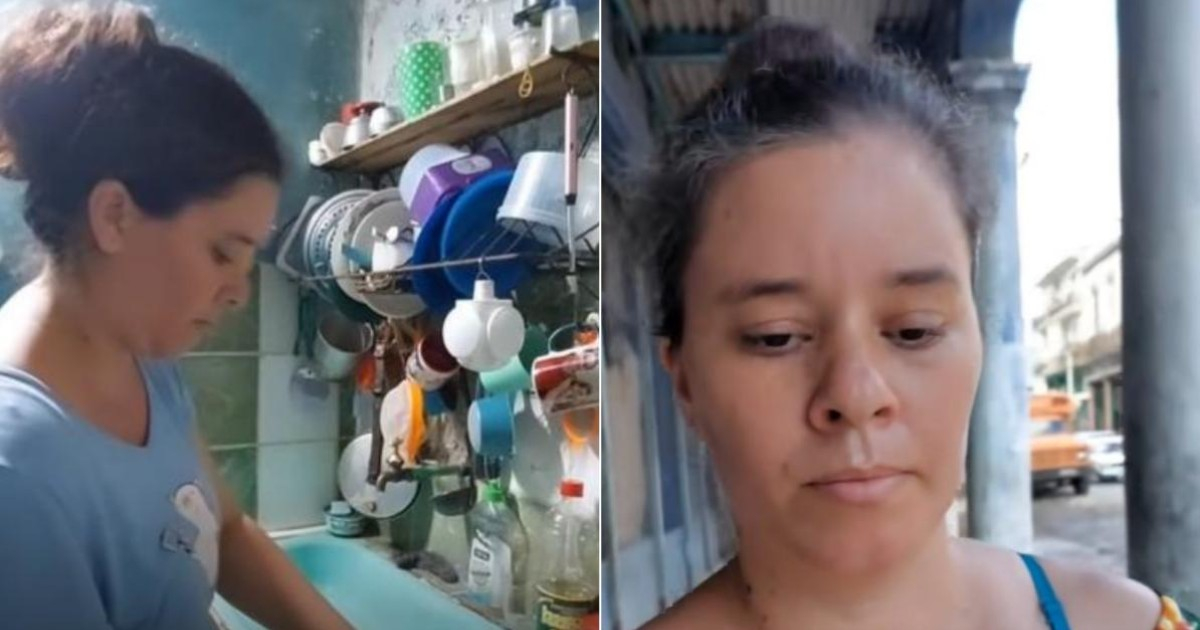
A video published on TikTok by the account ali.noriega.ofici titled "How do you survive in Cuba with 3 hours of electricity?" starkly summarizes what millions of Cubans face every day: reorganizing their entire lives—cooking, washing, taking care of children—around just three hours of electricity.
"Three hours to accomplish in a day what the rest of the world does with plenty of time to spare. And this is how we’ve been for days, weeks, months..." Ali lamented.
The clip showcases the daily life of a Cuban family that has turned electrical shortages into a forced routine. Cooking in the early morning, storing water when there's electricity, using charcoal and firewood, sleeping in patios to escape the heat, and charging their phones as if it were a basic necessity.
It's not an exceptional case. It's the norm.
"This is not complaining; this is surviving. And doing it every day, with dignity, with love, with the little we have," he affirmed.
"I know I am not alone. Because here there are many mothers who wake up every day and do exactly the same thing I do, with the same exhaustion, the same love, and the same desire to give their best to their children," she emphasized.
The numbers behind that image are devastating.
On May 25, the Electric Union reported an availability of only 1,133 MW against a demand of 2,700 MW at six in the morning, with a projected nighttime deficit of 2,147 MW. In Havana, power outages have reached 20 to 22 hours daily during May, leaving residents with between one and a half to four hours of service between cuts.
The month of May has been the worst in the recent history of the Cuban electrical system. On May 13, a record deficit of 2,153 MW was recorded, which was surpassed the next day with 2,174 MW. On May 16, 51% of the country lost electricity simultaneously.
The causes are structural, and the regime has been aware of them for decades: aging thermal power plants built during the Soviet era, chronic fuel shortages, and a complete lack of investment in maintenance.
The reduction in oil shipments from Venezuela and Mexico, reported since December 2025, intensified the energy collapse to unsustainable levels.
The Minister of Energy and Mines himself, Vicente de la O Levy, admitted at the end of 2025 that "2026 will be difficult" and that blackouts would continue.
In February 2026, the government activated the so-called "Zero Option," an emergency plan inherited from the Special Period of the 1990s that involves prioritizing essential services and resorting to animal traction, coal, and biomass. Its activation is an implicit admission that it cannot guarantee basic electricity supply to its population.
The human impact is of alarming proportions. The UN warned in February that Cuban hospitals are facing "serious operational limitations," with intensive care and emergency units under strain.
In April, the same organization reported that more than 96,000 surgeries had been postponed, including 11,000 pediatric surgeries, and that 3,000 children were facing delays in vaccination.
A study published in the journal Social Science & Medicine - the first systematic quantitative research on the subject - confirmed that power outages generate "extremely severe" levels of depression, anxiety, and stress in Cuban adults, with young people as the most vulnerable group.
The most harmful factor, according to the study, is not the duration of the outage but the "functional impact": the disruption of feeding, sleep, work, and basic routines.
The testimonies of Cubans on social media complete the picture. On May 20, Cuban Sisi Aguilera posted a video reporting, "Since yesterday, gentlemen, we have been without electricity... we are reaching our limit." Actor Luis Alberto García, one of the most recognized critical voices on the island, reported yesterday that, after 20 hours without electricity, "the children are the ones who know how to suffer."
Meanwhile, the government of Miguel Díaz-Canel has not provided concrete solutions or timelines for recovery.
The promises of solar panels, the repair of thermoelectric plants, and new generating facilities have been reiterated for years without materializing. Meanwhile, the Cuban people continue to adapt as best they can to a crisis that the regime created, deepened, and lacks the will or capacity to resolve.
Filed under: