
Related videos:
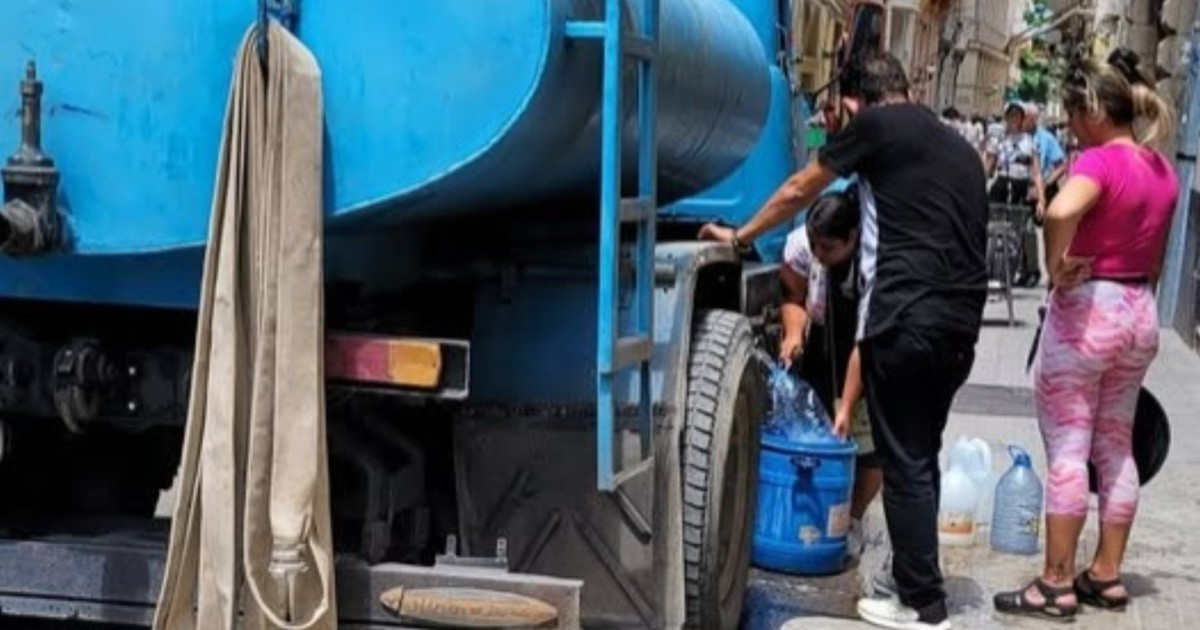
Obtaining water in Cuba has become a daily struggle for millions of people. The popular saying "we have to go out and fight for it," captured by 14ymedio to describe the daily effort of Havana residents, accurately summarizes a crisis that has already reached emergency humanitarian dimensions across the island.
In May 2026, 376,000 people were affected by water issues only in Havana, while the entire municipality of Las Tunas had gone a month without stable service, and Guantánamo was preparing to distribute water using animal traction due to the severity of the situation.
The most recent case occurred in Camagüey, where on the night of Saturday, May 31, an electrical discharge caused a water hammer in the 1,000 mm pipeline of the Cuban-Bulgarian pumping station, the main water supply source for that city.
"The rupture caused significant damage: the main conductor, the electric boards, the transfer system, and several pumping equipment were affected," reported the Hydraulic Resources Delegation of Camagüey through Radio Cadena Agramonte.
Normally, this station sends 660 liters of water per second to the city's water treatment plant. After the breakdown, only 500 L/s is available from the Máximo and Pontezuela reservoirs, allocated exclusively for hospitals, production centers, and essential services.
The authorities estimated about five days of continuous repairs, with teams from Geysel, Azcuba, construction companies, Acinox, EMI, and Azumat mobilized. The Cuban-Bulgarian dam, with a capacity of 137.6 million m³, was at 60.5% capacity at the time of the incident.
The local bulletin from June 2 had already warned that the water supply in Camagüey was experiencing "a lot of instability" in recent weeks due to a deficit in electricity generation, indicating that the breakdown was not an isolated incident but rather a more acute expression of a structural problem.
The crisis is neither new nor exclusive to a single province. In September 2025, state television acknowledged that more than 3.1 million Cubans —around 30% of the population— were suffering from a total or partial lack of water.
In March 2026, Santiago de Cuba reported 50 non-operational systems and fecal contamination in the water, affecting 180,000 people. In Matanzas, residents had opened between twenty and forty wells on sidewalks and patios. In April, the crisis left 2 million people affected and impacted 96,000 surgeries nationwide.
The causes are structural: decades of underinvestment in hydraulic infrastructure, aging pipes with massive leaks, outdated pumping stations, and a complete dependence on electricity supply for pumping. The Cuban water system operates with barely 37% of the necessary fuel, according to reports from 2026.
The regime attributes the situation to the drought and the U.S. embargo, without taking responsibility for the deterioration of infrastructure that has lacked real investment for decades. Meanwhile, Cubans continue to be desperate amid the crisis: they store water in tanks and buckets, buy water from private trucks, and dig makeshift wells in yards and sidewalks to survive each day.
Filed under: