
Related videos:
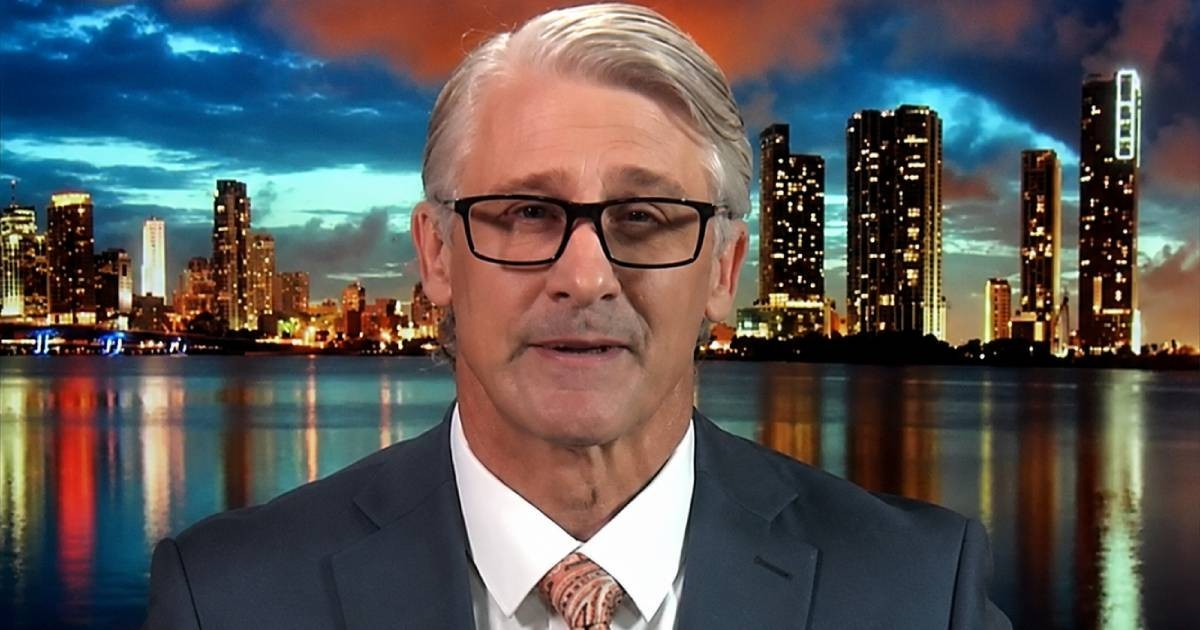
The journalist Marc Caputo, White House correspondent for Axios, recalled on Monday that this outlet had warned weeks ago about the possibility of a collapse in Cuba during the summer, after the island experienced a new total blackout of the National Electric System (SEN).
"More than a month ago, Axios informed its readers that the United States was preparing for the collapse of Cuba as early as this summer, specifically mentioning July. Now, AP reports that Cuba is experiencing a blackout across the entire island," Caputo wrote on his X account.
The journalist accompanied his message with a link to information from the Associated Press, which attributes the blackout to the depletion of fuel reserves and the deterioration of Cuba's electrical infrastructure.
Caputo's post refers to a report by Axios published on May 28, in which the outlet revealed that the administration of President Donald Trump was analyzing various scenarios in light of a potential worsening of the crisis on the island.
According to that information, U.S. officials believed a "collapse of Cuba's totalitarian government was possible as early as this summer" and had reviewed response plans for various scenarios of instability.
The blackout recorded this Monday is the seventh total collapse of the National Electric System in the last 18 months and the third that has occurred so far in 2026.
The Electric Union confirmed the disconnection with a brief statement that read: "A total disconnection of the National Electro-Energetic System is occurring. The causes are under investigation."
Before the collapse, the system faced a deficit of over 2,200 megawatts, with an availability close to 1,000 MW against an estimated demand of 3,100 MW. In addition, eleven of the sixteen thermoelectric units in the country remained out of service due to malfunctions or maintenance.
The Embassy of the United States in Havana also issued a , recommending to avoid large gatherings and to maintain reserves of water, food, and fuel due to the uncertainty caused by the blackout.
On his part, Miguel Díaz-Canel once again attributed the energy crisis to U.S. sanctions and praised the work of the employees of the Electric Union, while the Ministry of Energy and Mines reported that protocols had been activated to restore the system.
In the report published in May, Axios indicated that Washington's strategy aimed to gradually increase economic pressure on Havana. During an interview given at that time on the Morning Joe program, Caputo maintained that the restrictions on fuel supply were part of that policy.
"The United States has essentially taken control of trade with Cuba. It has restricted fuel; oil no longer enters Cuba, partly because Cuba has no money," the journalist stated.
In that same context, Secretary of State Marco Rubio described Cuba as "a failed state 90 miles from our shores," while President Donald Trump stated that he did not see a military intervention as necessary because, in his words, "the place is falling apart."
Filed under: