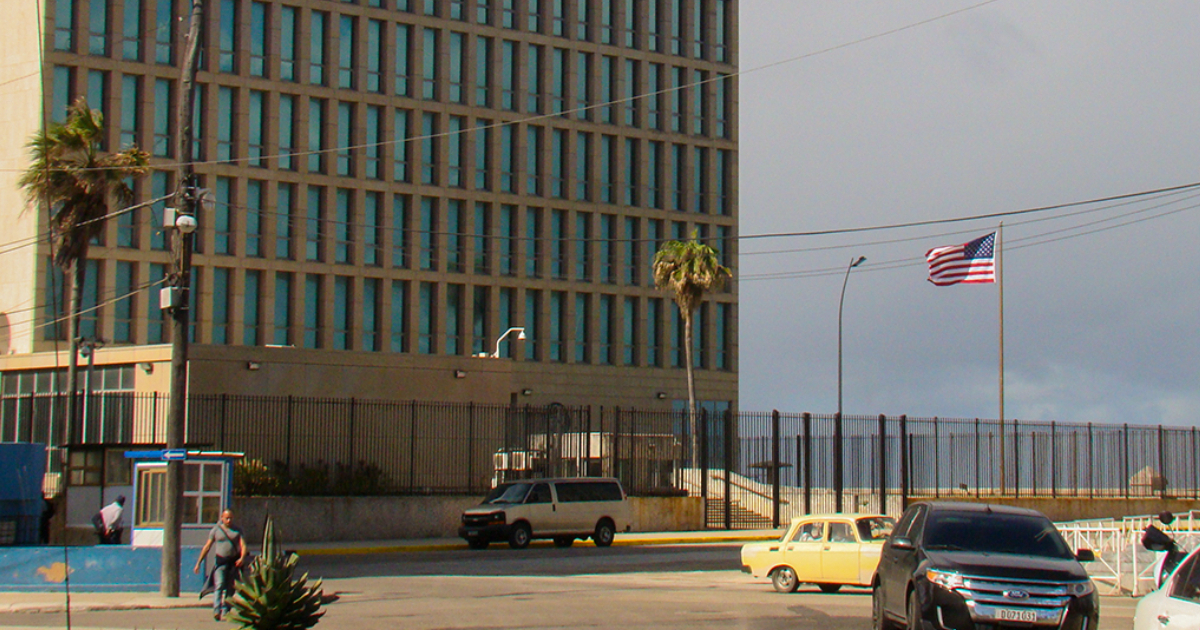
The United States Embassy in Havana issued a weather alert for all of Cuba in light of the hurricane season and warned that the impact of hurricanes or tropical storms could further deteriorate the island's fragile electrical grid and lead to additional power outages.
The diplomatic mission issued this warning and reminded that the hurricane season in the Atlantic remains active until November 30.
He also emphasized that residents and travelers should prepare in advance for potential emergencies.
The electricity grid in Cuba is becoming increasingly unstable and is subject to power outages throughout the country," noted the Embassy, which warned that "hurricanes or tropical storms could significantly impact the electricity grid," with a risk of causing even more blackouts.
The alert refers to the forecast by the National Oceanic and Atmospheric Administration (NOAA) of the United States, which projected between eight and 14 named storms, three to six hurricanes, and one to three major hurricanes, defined as those of category 3 or higher, for the 2026 season.
However, an update of the forecasts released in August slightly reduced those figures, with an estimate of between seven and 13 named storms, two to six hurricanes, and up to two major hurricanes.
However, a less active season does not eliminate the danger.
U.S. meteorological authorities have stressed that it only takes one hurricane to cause serious damage and that preparation should be done before an immediate threat arises.
The warning comes at a time when a system in the tropical Atlantic is being monitored with a high probability of development over the coming days.
Although it was still too early to determine its final trajectory or potential impacts on Cuba, forecasts indicated favorable conditions for the formation of a tropical depression during the second half of the week.
In light of this situation, the Embassy insisted on staying alert to the developments of the tropical systems and the advisories from the National Hurricane Center, as well as following the guidelines issued by the local Civil Defense authorities.
The diplomatic office requested to have a personal emergency plan that does not rely on assistance from the United States government and to be prepared to remain sheltered at their current location for at least 24 to 48 hours, or even longer, in the event of a direct impact.
The alert warns that roads could be destroyed or blocked by debris after a hurricane, making access to airports and other routes used to evacuate affected areas difficult.
Recommended measures include having bottled water, commonly used medications, non-perishable food, a battery-powered radio, important documents—especially the passport—flashlights, and spare batteries.
The concern about the effects a cyclone could have on the electricity supply coincides with a particularly critical moment for the National Electric Power System (SEN).
This Wednesday, for example, unit 2 of the Felton thermoelectric plant went out of service again due to a malfunction, while other generating units remained out of operation due to breakdowns or maintenance.
Lastly, the Embassy also recommended informing family and friends about each person's location, registering in the Smart Traveler Enrollment Program (STEP) to receive updates, and having essential documents and items ready in case of any sudden changes in weather conditions.
With the hurricane season entering its peak months and the Cuban electrical system facing a critical situation, the American warning highlights an additional risk: that the passage of a storm or hurricane could extend the blackouts that have already become a part of daily life on the island.
Related videos:
Filed under: