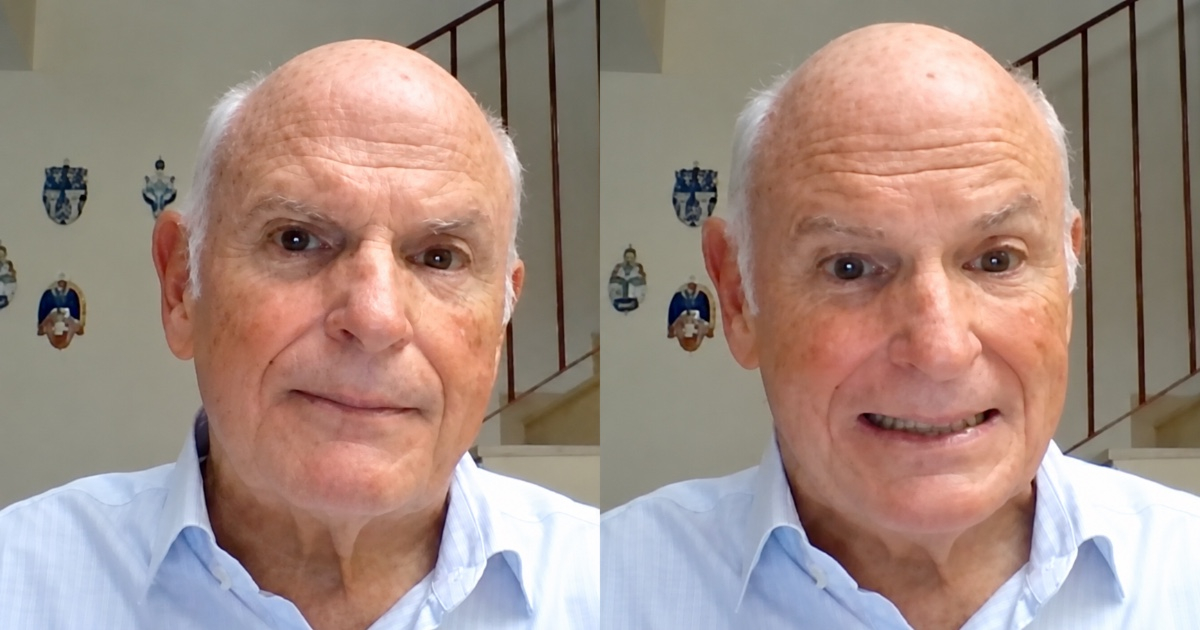
Economist Elías Amor supported this week the statements made by Secretary of State Marco Rubio about the collapse of the Cuban system, stating that he "thinks it is very good that Marco Rubio says Cuba has already fallen." He expressed this during an interview with Tania Costa for CiberCuba, coinciding with the implementation of the new OFAC sanctions against the regime.
Amor was emphatic: "It's just that it's over. There's no way to continue something with the shouting we have already gotten used to." His words come a day after Rubio described Cuba as a "failed state" and stated that "Cuba has already fallen," and a week after the Secretary of State himself declared before the UN that "the Cuban Revolution has failed."
The economist demanded that the regime take on its historical responsibility. "Communists must be aware that they have already failed, that their time has come to an end, and that the best thing they can do is step aside to allow others to lead the Cuban economy."
In his weekly program on CiberCuba, Amor outright rejected the official argument that the U.S. embargo is the cause of the crisis. "The Cuban economy, if it is paralyzed and functioning poorly, is not due to negotiations with the United States. The responsibility lies with the government's poor management," he stated.
To support his thesis, he pointed out that Cuba continues to trade with China, Russia, Spain, and France, that it continues to receive remittances and payments for the exploited doctors, and that tourism, although diminished, has not disappeared. "They are being given every opportunity to get back on track, but they don’t know how to do it," he added.
Regarding China's role, Amor suggested that Beijing could support the island if it had the political will. "Can't China install nine million solar panels in Cuba?" Tania Costa asked. Amor, for his part, replied that this option is already ruled out. "I can imagine that Donald Trump and Xi Jinping discussed this issue and agreed that the island is lost."
The economist also warned that the current sanctions are just the beginning of what may come. "They are showing a little bit, but when they show their claws, then there will be a real henhouse in Havana," he said, adding that he is eager for that to happen because he wants to see "how panic unfolds within the regime."
This tightening of sanctions on the regime occurs while Prime Minister Manuel Marrero insists that 158 of the 176 economic transformations are already underway, a progress that Amor considers insufficient given the magnitude of the collapse. The data supports his skepticism: 348 of the 2,206 state-owned enterprises reported losses between January and July 2026, and the overall profits of the sector fell by 69% compared to the previous year.
The Chancellor Bruno Rodríguez accused Washington this Wednesday of blocking Cuba's economic reforms with new sanctions, which include the closure of bank accounts of private Cuban entrepreneurs in U.S. banks, the elimination of U-Turn transactions, and the cancellation of group educational travel "people-to-people."
Elías Amor concluded his analysis with a direct warning to the regime: "The sanctions are going to get worse and will be aimed directly at the head of the system."
Related videos:
Filed under: