
Related videos:
The visit to Cuba until November 21 by the United Nations Special Rapporteur, Alena Douhan, serves the government to highlight damages attributed to the U.S. embargo, but has sparked a wave of citizen criticism pointing to corruption, mismanagement, and distorted priorities that have deepened the current polycrisis.
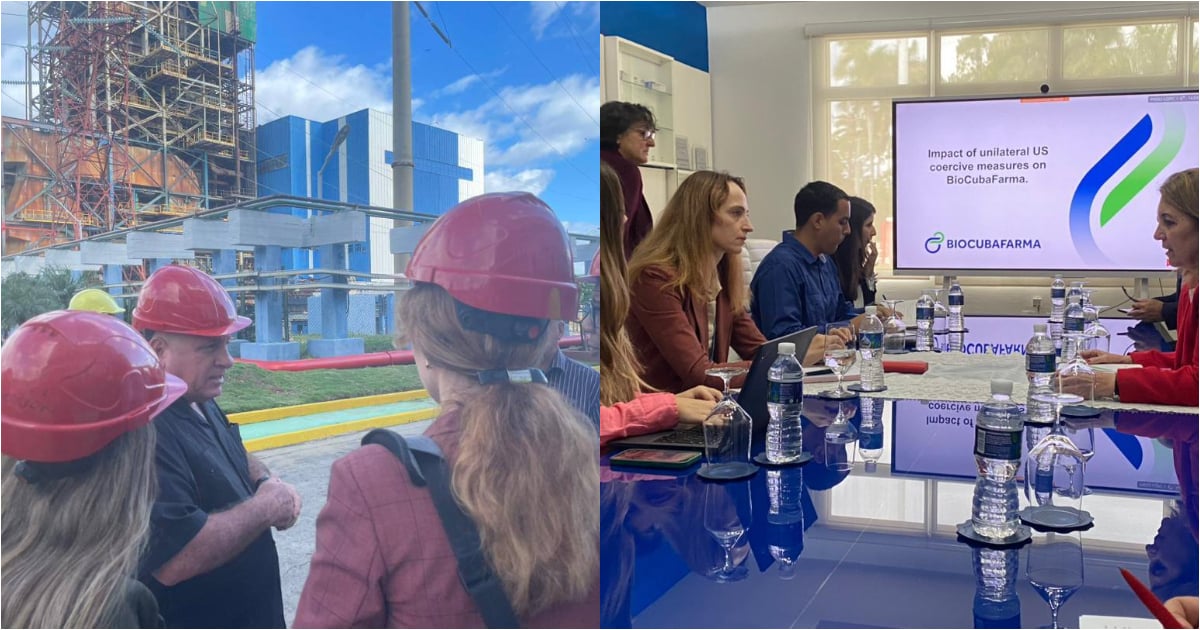
On Friday, executives from the "Antonio Guiteras" Thermoelectric Power Plant in Matanzas met with Douhan and stated that U.S. sanctions have restricted the purchase of spare parts.
They also mentioned that access to fuel has become more expensive and referred to damages exceeding 496 million dollars in the energy sector, according to a report from the Ministry of Foreign Affairs on its Facebook page.
In Varadero, authorities from the Ministry of Tourism and representatives from the local marina reported that the restrictive measures have halted the arrival of international visitors, prevented the entry of cruise ships, and paralyzed strategic projects, resulting in losses exceeding 2.528 billion dollars in the last period.
The agenda also included exchanges with academics from the University of Havana, specialists from the William Soler pediatric hospital, and visits to institutions such as the BioCubaFarma company to examine impacts in biotechnology and health, highlighted the Ministry of Foreign Affairs on X.
But the response on social media was immediate and fierce. Hundreds of Cubans questioned why the government blames the "blockade" while maintaining privileges for the elite, investing in luxury hotels that are nearly empty and allowing the country's essential infrastructure to deteriorate.
Some, like Ada Pérez, denounced the privileged life of leaders and their families; others, like Santo Norben Ramírez, directly blamed the political system itself for decades of economic mistakes.
Users claimed that the rapporteur should also listen to young people imprisoned for protesting, doctors who have not been able to collect their savings from missions or communities submerged in decay.
In parallel, several comments dismantled the official energy argument. In this regard, they recalled that the Guiteras operates with French and Japanese technology and that the lack of parts is due to unpaid debts and a loss of creditworthiness, not to external prohibitions.
Others pointed out the contradiction between the discourse of the "blockade" and the continuous influx of goods from the United States, as well as the priority given to hotel construction over essential services such as ambulances, water supply systems, or dilapidated roads.
Several internet users mentioned previously donated funds for repairs that were never carried out and accused the government of diverting resources.
While the Foreign Ministry insists on presenting the visit as evidence of the impact of the embargo, the citizens' response showcases an opposing narrative.
For a significant part of the population, the true blockade is internal and manifests in corruption, opacity, and a management incapable of pulling the country out of collapse.
The reality for Cubans continues to be one of extended blackouts, unexpected outages, and an electrical infrastructure with chronic vulnerability.
Although investments in renewable energy are being announced, the National Electric System remains on the brink of collapse, unable to guarantee a stable supply for homes, hospitals, and industries, while the population bears the cumulative cost of years of neglect, erratic decisions, and poor state management.
Filed under: