
Related videos:
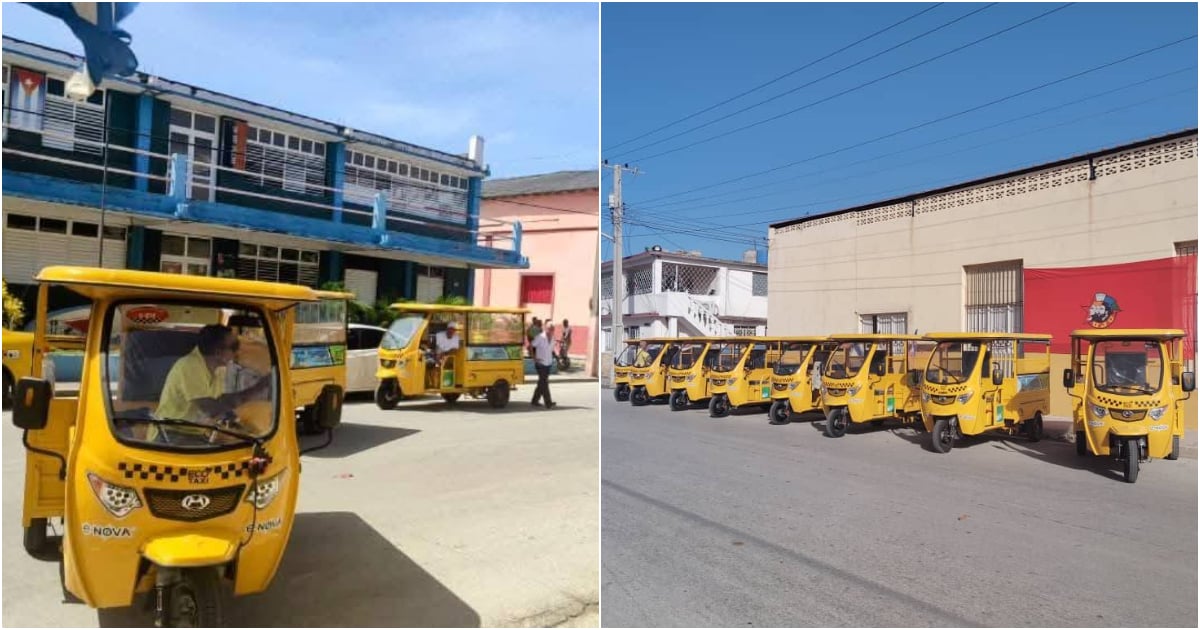
The delivery of 15 electric tricycles to the city of Manzanillo was presented by Transportation Minister Eduardo Rodríguez Dávila as a step forward in urban mobility, despite the fact that the measure will only affect two routes and does not address the serious connectivity issues facing the municipality.
“As the charging stations with renewable energy sources are implemented, the base will be protected with a greater availability of electrical energy from the circuit to which it is connected, during key hours for vehicle charging,” Rodríguez pointed out on his Facebook profile.
The service will have a fee of 10 Cuban pesos. In addition, 15 combustion tricycles will be added to cover routes "to areas further away from the center of Manzanillo with greater geographical complexity," the official added.
The above makes it clear that the "green" model still relies on fossil fuels in the least accessible areas, precisely where stable transportation is most needed.
Although in his publication the minister celebrates the "popular acceptance" of these vehicles in other provinces, he also acknowledges that they do not address the overall transportation deficit.
The measure, then, seems more like an attempt to disguise the shortage with small symbolic deliveries rather than a structural change with real impact.
Tricycles, in addition to not meeting massive demand, remain stuck in a collapsed energy system, with insufficient support to ensure the constant charging they require, which jeopardizes the sustainability of any electric transport in Cuba.
Under these conditions, its operation seems doomed to be intermittent and improvised.
In Havana, the park of electric tricycles for public passenger transportation exceeds 150, distributed across different routes.
Since August 15, 2024, the cost of transportation in electric tricycles in the capital has increased to 10.00 CUP per passenger. The decision, communicated by the General Directorate of Transport of Havana, represents a significant rise from the initial price of 4.00 CUP that was established when the service began in 2020.
The new price aimed to align the fare in Havana with that of other provinces in the country, where the fare was already 10.00 CUP, noted a report from the official newspaper Granma.
However, the energy crisis also negatively impacts this service, as the constant power outages prevent the optimal charging regimen for the vehicles.
Under these conditions, keeping electric transportation operational becomes increasingly unfeasible, and tricycles are no exception.
The Transportation official on Facebook mentioned last year that in the various provinces where the tricycles operate, "they have been very well received by the population and, although their presence does not solve transportation deficits, it provides a service that generates high acceptance and at the same time creates employment, often for women.”
Frequently Asked Questions About Electric Tricycles in Cuba
What impact do electric tricycles have in Manzanillo?
The electric tricycles in Manzanillo have a limited impact, as they only cover two routes and do not address the general transportation issues in the municipality. Although they are presented as a sustainable solution, their effectiveness is compromised by the energy crisis affecting the country, which makes it difficult to properly charge these vehicles.
What is the cost of a ride on electric tricycles in Cuba?
The cost of the fare for electric tricycles in Cuba is 10 Cuban pesos. This price has been set to align with the rates of other provinces, despite the service facing challenges due to blackouts that hinder proper charging for the vehicles.
How does the energy crisis affect electric transport in Cuba?
The energy crisis in Cuba significantly impacts electric transportation, including tricycles, due to frequent blackouts that hinder the proper charging of vehicles. This results in the operation of tricycles being intermittent and unreliable, limiting their ability to serve as an effective solution to the transportation problem on the island.
What measures is the Cuban government taking to improve electric transportation?
The Cuban government is implementing electric transportation projects, such as the introduction of electric tricycles and minibuses, and is working on the installation of charging stations with solar panels to reduce dependence on the electrical grid. However, these measures face challenges due to the collapse of the national energy system, which casts doubt on their short-term feasibility.
Filed under: