
Related videos:
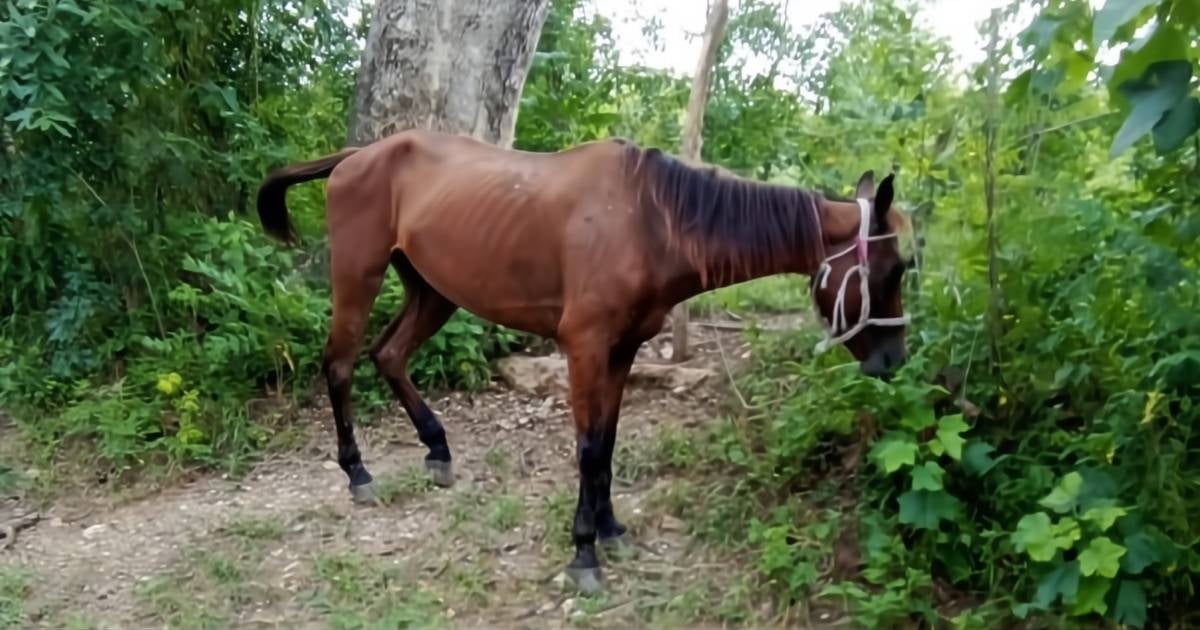
A case of cattle theft recently shook the province of Sancti Spíritus, when an inmate on probation seized the opportunity to steal a horse and slaughter it in his own home, located on Bayamo Street.
According to a post on the Facebook profile "My Forged Loyalty," linked to the MININT, the individual identified as Anniel was caught "red-handed" thanks to the quick response of neighbors and authorities, who thwarted the attempt to sell or exploit the animal's meat.
The detainee is already facing legal consequences for the theft and illegal slaughter of livestock, a crime that carries severe penalties in Cuba.
There is no control over the theft and slaughter of livestock in the fields of Cuba
In June, Cuban farmers reported that the theft and slaughter of livestock remain unchecked in the fields of the island, severely impacting the agricultural economy and food security.
Despite the efforts announced by the regime, ranchers and farmers indicated that the theft of cattle and its subsequent illegal sale of meat has become an almost unpunished practice, especially in provinces with high livestock activity such as Camagüey, Sancti Spíritus, Villa Clara, and Ciego de Ávila, noted the official media Cubadebate.
The statements emerged in the context of the Third National Exercise for the prevention and confrontation of crime, corruption, drug trafficking, and illegal activities, as unofficial data indicates that in the first half of 2025 alone, hundreds of cases of illegal livestock slaughter were reported.
Although the government outlined an action plan that includes patrols in the neighborhoods and the reactivation of the cederista surveillance posts and rural patrols, the consulted cattle ranchers warn that the announced measures have little impact if the lack of supplies, feed for livestock, fuel, and, above all, the exemplary punishment of organized networks involved in illegal slaughter and clandestine marketing are not addressed.
In fact, in April, it was reported that a 71-year-old Cuban farmer sold his cattle out of fear that they would be stolen or illegally slaughtered, as he mentioned in an interview with the EFE agency, which highlights this issue that severely impacts ranchers.
"They have killed a lot of livestock for many farmers. They started killing my cows every two or three days, then every 15 days. They even killed up to eight! I told my brother, 'Look, I can’t go on like this. We need to get rid of everything because at this rate, we’ll have nothing left and we’re already old,'" said the man identified as Julio, a resident of the village of Vegas, located between Cárdenas and Santa Marta, Matanzas.
Frequently Asked Questions about the Illegal Theft and Slaughter of Livestock in Cuba
What happened to the inmate who stole and sacrificed a horse in Sancti Spíritus?
The inmate stole a horse while on a prison pass and slaughtered it at his home in Sancti Spíritus. He was caught by neighbors and authorities before he could sell the meat of the animal.
What measures is the Cuban government taking to combat cattle theft?
The government has implemented patrols in neighborhoods and reactivated surveillance units, but the ranchers believe that these measures are insufficient without adequate resources and exemplary punishments for organized networks.
Why does the theft and slaughter of livestock continue to be a problem in Cuba?
The problem persists due to the economic crisis and the lack of resources, which has made livestock theft an almost unpunished practice in provinces with high livestock activity such as Camagüey and Sancti Spíritus.
What legal consequences does someone face for stealing and sacrificing livestock in Cuba?
The penalties can be severe, as in the case of Sancti Spíritus, where two citizens were sentenced to six and four years in prison for crimes related to the illegal slaughter of cattle.
How is cattle theft affecting the economy of Cuba?
The theft of livestock severely impacts the agricultural economy and food safety, as many farmers have chosen to sell their livestock in response to the wave of unchecked robberies.
Filed under: