
Related videos:
The human rights organization Cubalex documented 185 human rights violations in Cuba during September, a month characterized by the resurgence of citizen protests against blackouts, food shortages, and lack of potable water.
The report, which covers events that took place in 14 provinces and 45 municipalities, including the Isle of Youth, reflects a pattern of systematic repression that affected 140 individuals (26 women and 114 men), the majority being political prisoners, human rights defenders, and individuals of African descent.
The organization's data confirms that the energy crisis was one of the triggers of social unrest. On September 14, dozens of residents from Gibara, in Holguín, took to the streets with pots and flashlights after going without electricity for over 24 hours, chanting slogans like “The people united will never be defeated” and “We want electricity!”
The protest, initially peaceful, ended with arrests and police operations described by activists as a “government hunt.” Videos shared on social media show patrols patrolling the city and arresting demonstrators, despite local authorities speaking of “dialogue and respect.”
Days later, on September 17, a similar demonstration in Maniabón, Las Tunas, ended with the detention of several minors, including a pregnant 16-year-old teenager, as reported by the platform Alas Tensas.
Another young man, Leroy Hernández Escalona (17), was arrested for shouting "Freedom!" and taken to the Provincial Instruction headquarters. Cubalex includes both cases among the incidents of serious violations of personal freedom and public safety rights.
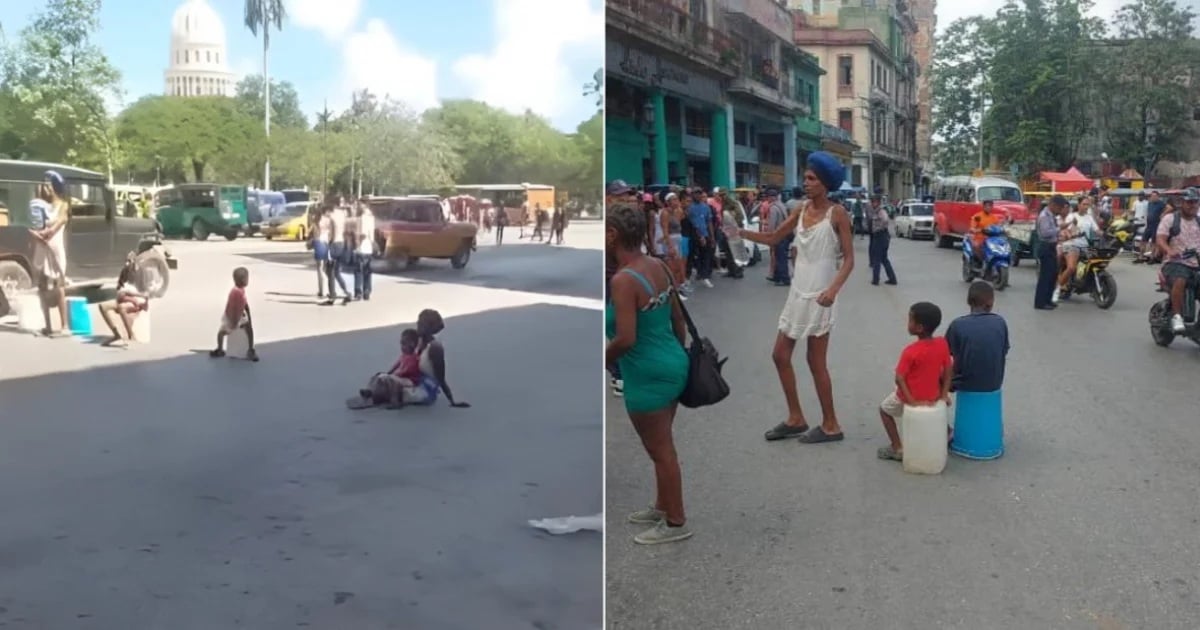
The report also mentions protests in the Versalles neighborhood of Matanzas and in Havana neighborhoods such as Calabazar, San Miguel del Padrón, and Regla, where residents banged pots and pans and blocked streets in the darkness and heat, fed up with the extended blackouts.
Havana, epicenter of repression
The capital accounted for 66 of the 185 violations, followed by Santiago de Cuba (16) and Pinar del Río (11).
Among the victims facing the most harassment are the Dama de Blanco Berta Soler and her husband Ángel Moya, the journalist Camila Acosta, and the political prisoners José Daniel Ferrer and Maykel “Osorbo” Castillo, who are subjected to surveillance, threats, or isolation.
Cubalex registered 349 repressive incidents distributed across 42 categories, including physical violence, harassment, threats, and denial of medical care, the latter even used as a method of torture in prisons.
Deaths in prison and health crisis
The report denounces the inhumane conditions of the penitentiary system, where the lack of medical and psychological care led to two recent deaths: that of Leudis Ramos Mejías, who committed suicide in the Boniato prison after his pleas for help were ignored, and that of Alfredo Ulecia Planche, who died in Guantánamo after enduring a form of torture known as "mechanical restraint" for three days, which involves tying the prisoner’s hands and feet to a bed.
Repression is compounded by an increasingly critical social landscape, with outbreaks of dengue and chikungunya, garbage piles not collected near hospitals, power outages of more than 12 hours daily, and lack of drinking water.
Cubalex warns that the health and food crisis undermines basic rights such as health and nutrition, while the regime organizes "gourmet festivals" and diplomatic receptions abroad.
Official denial and contradictions
Despite the evidence, Cuban Deputy Foreign Minister Carlos Fernández de Cossío recently denied before journalist Mehdi Hasan, on the program Zeteo, that there are imprisoned protesters on the island, and labeled the reports from Amnesty International, Human Rights Watch, and Cubalex as “unfounded.”
“Arbitrarily, no,” he replied when asked if there are people in Cuba imprisoned for protesting.
The official's denial contrasts with the testimonies and the report's own records, which demonstrate a state pattern of repression and criminalization of dissent.
Cubalex concludes that repression and the deterioration of human rights are directly linked to the deterioration of living conditions. The organization warns that while the government maintains its narrative of "normality and control," Cubans face shortages, hunger, and fear as part of their daily lives.
"The sound of the pots and pans has become the language of a weary people," activists on the island note, convinced that repression only strengthens social discontent and the desire for change.
Filed under: