
Related videos:
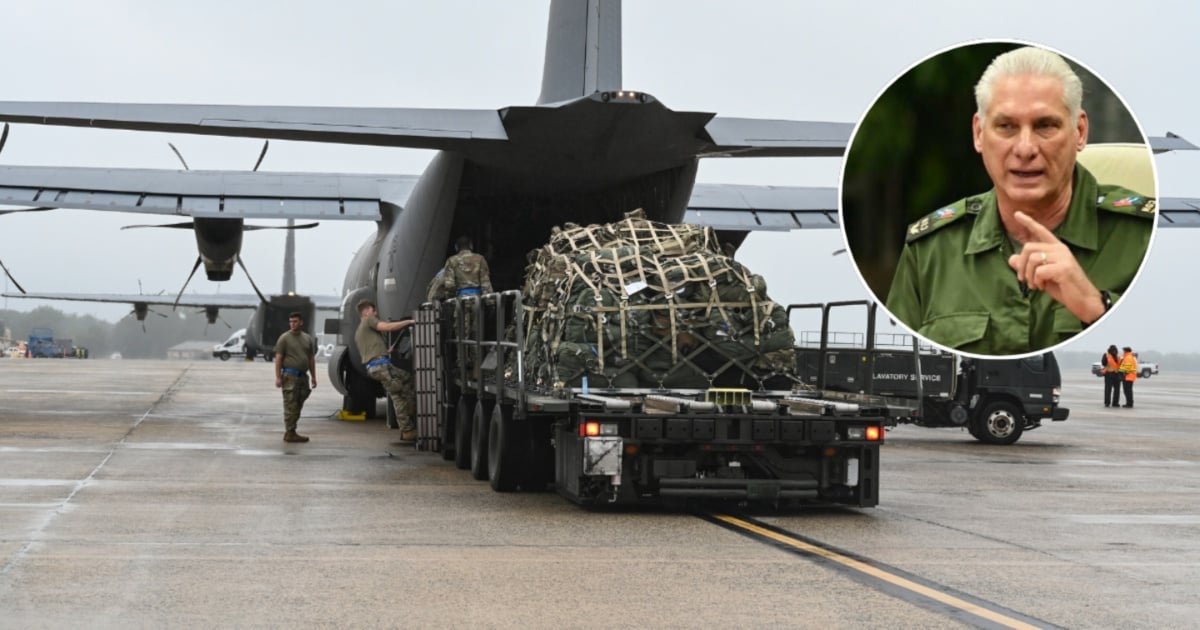
Amid the debate over international assistance following Hurricane Melissa, the ruling Miguel Díaz-Canel publicly thanked Nicolás Maduro for his help and stated that Cuba "appreciates any assistance as long as it is sincere and respects our sovereignty and laws."
The message, interpreted as a hint towards the United States' offer of assistance and the tensions it provoked in Cuban diplomacy, was posted by the regime's representative on the social media platform X.
"Thank you, brother Nicolás Maduro, for the assistance to our people in these difficult times, and for your constant denunciation of the cruel Blockade that harms us so much, now more than ever. Cuba appreciates any help as long as it is sincere and respects our sovereignty and laws," he wrote.
The statement was issued this Friday, as criticisms on social media intensified regarding the official response to the disaster in the eastern part of the country and following a back-and-forth of statements within the state apparatus itself.
The Cuban ambassador to Belgium and the European Union, Juan Antonio Fernández Palacios, had previously characterized any aid with conditions as “handouts” and argued that the “international community” has already “said what they need to do,” referring to Washington.
Meanwhile, the deputy minister Carlos Fernández de Cossío confirmed that Havana was "in contact" with the State Department to learn the details of the offer.
The harshness of the term “alms” sparked outrage among Cubans both on the island and abroad, with messages criticizing the government for prioritizing political rhetoric over the needs of those affected.
In that same vein, users demanded the acceptance of food, medicines, and water without obstacles and criticized the management of the emergency in provinces such as Santiago de Cuba, Holguín, and Granma, where —according to collected reports— isolated areas continue to exist, along with power outages and shortages of basic supplies.
This Thursday, Washington expressed its willingness to provide immediate humanitarian assistance "without regime intermediaries," and the State Department reminded of existing legal exemptions for private donations of essential goods.
In this context, Díaz-Canel's message—expressing gratitude to Maduro and emphasizing "sovereignty" as a condition for accepting aid—served as a political and diplomatic stance regarding the controversy: the acceptance of assistance remains a possibility as long as, according to official discourse, it does not involve conditions that contradict Cuban laws.
Citizen reactions, on the other hand, push for a pragmatic and transparent response, focused on immediately alleviating the situation of thousands of families affected by the floods and the damage caused by Melissa.
Filed under: