
Related videos:
The Consul General of Cuba in Ho Chi Minh City, Ariadne Feo Labrada, has been removed from her position after eight years of diplomatic service in Vietnam, according to the official Vietnamese platform Vietnam.vn.
The departure occurs at a time when Havana is undergoing a profound internal crisis and is adjusting key elements of its foreign service, which adds a political nuance to a change that has been publicly presented as a routine farewell.
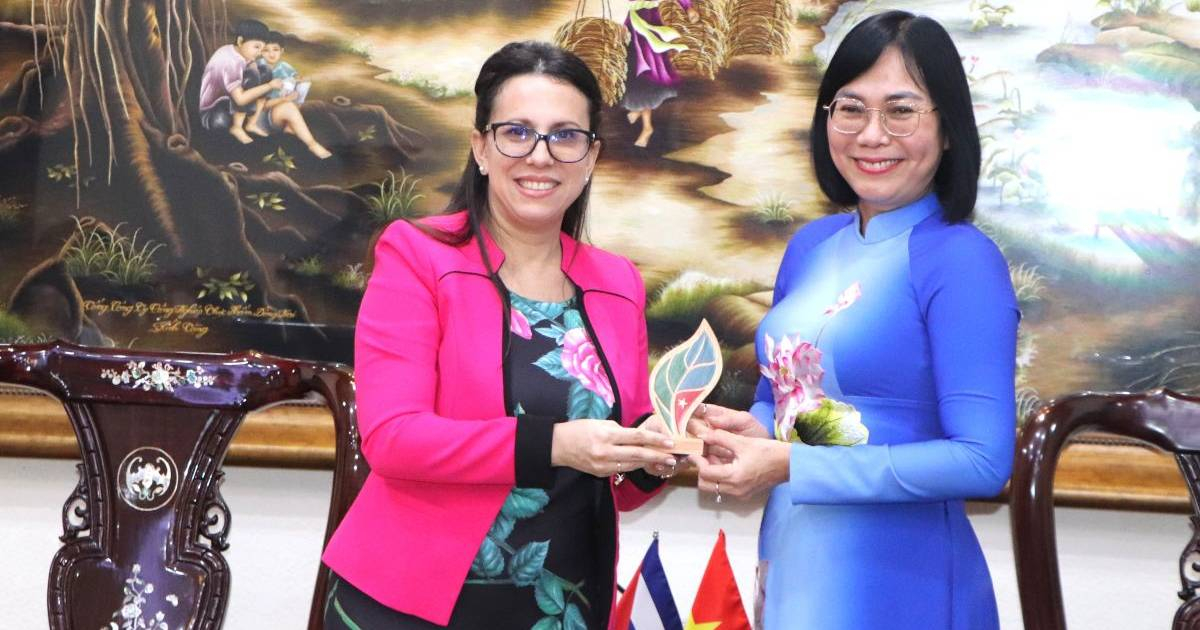
According to Báo Đồng Nai, the official met on November 19 with Nguyen Thi Hoang, Vice President of the Provincial People's Committee of Dong Nai, to formally say goodbye at the conclusion of her term.
During the meeting, the Cuban diplomat recalled that she had lived and worked in Vietnam for eight years, first as ambassador and then as consul general in the country's largest city.
The authorities of Dong Nai took the opportunity to highlight their role as a bridge between Vietnam and Cuba, a historical relationship that both governments often describe as "exemplary" and characterized by political loyalty.
During his tenure, which began in Ho Chi Minh City in 2022, Feo Labrada fostered local ties between provinces of both countries and supported cooperation initiatives, such as the signing of the friendship agreement between Pinar del Río and Dong Nai in October 2024, a milestone presented as progress in "people-to-people diplomacy."
Beyond the ceremonial acts, the consul was also involved in efforts to provide support materials to the Island in a context of growing internal precariousness. She participated in fundraising campaigns in Vietnam to install solar panels in Cuban schools and publicly thanked donations of rice to the country, highlighting the close cooperation between both governments.
In various speeches, he emphasized that one of the key objectives of his mission was to strengthen the ties between Vietnamese and Cuban youth, a goal that the authorities in Ho Chi Minh highlighted as part of a cultural outreach agenda.
The farewell, however, takes place at a sensitive moment for Cuban diplomacy. Although official Vietnamese media presents it as a normal culmination of the mandate, within Cuba, the rotation of diplomatic personnel has been more frequent in recent years, amid political changes, economic pressures, and a legitimacy crisis that compels the regime to make strategic shifts.
Vice President Nguyen Thi Hoang praised Feo Labrada's "dedication and effectiveness" and expressed her hope that the official will continue to be a "reliable bridge" between both countries even after leaving office.
The authorities of Dong Nai, for their part, have put forward plans to create a Vietnam-Cuba Friendship Association, a mechanism that, as they explained, aims to strengthen multifaceted cooperation at a time when Vietnam is expanding its international presence and Cuba is trying to maintain political alliances amid its crisis.
Although Cuba has not issued an official statement regarding the dismissal, the information released by Vietnam.vn confirms the change and raises questions about the upcoming actions of the Island's Ministry of Foreign Affairs.
For many observers, changes in the Cuban diplomatic corps often reflect internal adjustments that Havana prefers not to explain publicly.
Filed under: