
Related videos:
The economic, social, and food crisis in Cuba has reached a point of no return, according to a report by Food Monitor Program (FMP), which warns about the widespread deterioration of living conditions on the island.
The organization, dedicated to monitoring food security in Cuba, indicated that it can no longer be referred to as isolated crises, but rather as a “systemic, structural, and multidimensional crisis” impacting all sectors of the country.
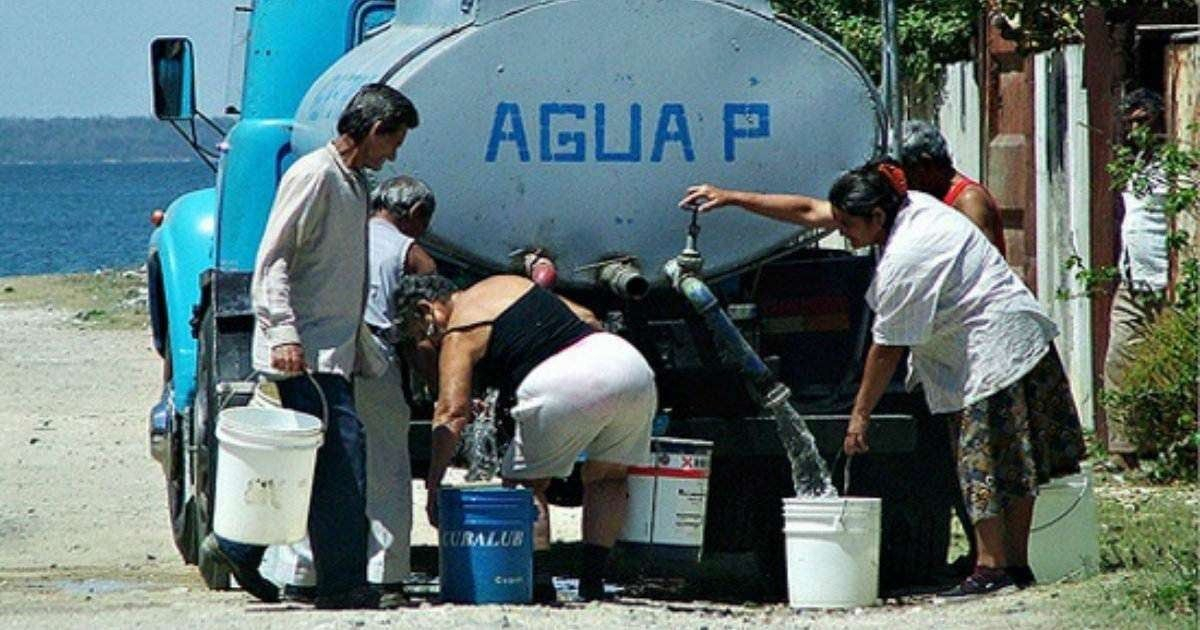
The study, based on field observations and citizen reports, emphasizes that the lack of food, power outages, shortages of water and gas, inflation, and rising poverty have placed millions of Cubans in a situation of extreme vulnerability.
It also highlights the loss of purchasing power, the migratory exodus, and the transfer of state responsibilities to families as symptoms of institutional collapse.
In recent years, citizen protests have multiplied. From the demonstrations on July 11, 2021, to the more recent ones in Santiago de Cuba, Holguín, and Matanzas, the demands remain the same: food, electricity, and water. However, the regime's response has been repression.
According to the organization Prisoners Defenders, cited by FMP, more than 750 people remain imprisoned for participating in those protests.
The report also notes that, amidst the economic decline, the Cuban government continues to blame the United States embargo and "mercenarism," rather than acknowledging its responsibility for the structural crisis.
At the same time, it limits access to public information and censors citizen criticisms, even on social media, where any dissenting content is monitored and blocked.
FMP warned that the deterioration of the food, health, and energy systems is pushing Cuba toward a prolonged humanitarian emergency.
"The Cuban people are living through blackouts lasting over 30 hours, water shortages for weeks, and a widespread hunger that particularly impacts women and children," the report states.
The organization concludes that the lack of institutional response and the repression of voices that denounce the crisis reflect a state that has lost its ability to guarantee the basic rights of the population.
In other recent alerts, the FMP denounced that the National Office of Statistics and Information (ONEI) manipulates official data to hide the real deterioration of the country, disguising figures on inflation, consumption, and supply, which prevents accurately assessing the magnitude of the food emergency.
The organization has also highlighted extreme practices that many Cuban families are forced into. Among them, the hunting of birds, cats, and other urban animals as a desperate source of food, amid unprecedented shortages that primarily affect vulnerable communities.
In its reports, FMP has gathered testimonies that reflect the collapse of the food distribution network. The question "where does the food come from?" has become commonplace due to the inability to access basic food items, even for those with income.
On the other hand, the FMP has also warned about the deep disillusionment of the population with the institutions. An independent survey revealed that 94% of Cubans do not trust that the government can resolve the current crisis, which exacerbates the feeling of institutional abandonment and deepens the divide between the citizenry and the state apparatus.
Filed under: