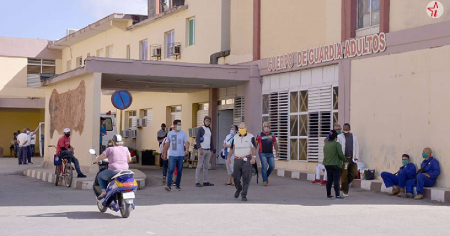
Amid one of the most serious epidemiological crises in recent years, with hospitals overwhelmed, thousands of Cubans confined to their homes, and a shocking rise in child mortality, the Deputy Minister of Public Health, Carilda Peña García, stated this Monday on Canal Caribe that the healthcare system on the island is “better than that of many countries.”
The statement came while the official herself acknowledged that 21 people have died from chikungunya, 12 from dengue, and that of these 33 fatalities, 21 were under the age of 18. This information shook the audience and confirmed what many families and doctors had been reporting for weeks: children are among the primary victims of the epidemic.
Nevertheless, the deputy minister defended the capability of the Cuban system and made favorable comparisons between the country and other nations facing the virus. “Cuba has an eminently preventive system… This is not the case in many countries around the world,” she stated during an address in which she also insisted that the outbreak is part of a regional trend and is not “exclusive to Cuba.”
But in the neighborhoods, the reality is different. Peña herself admitted that over 38 thousand cases of chikungunya have been reported to date, and the municipalities with the largest outbreaks continue to increase the epidemiological risk, with provinces such as Camagüey, Pinar del Río, Sancti Spíritus, and Havana among the most affected.
He also acknowledged problems that the population has been reporting for months: a lack of workers, broken machines, setbacks in fumigation, and vulnerable individuals who are not reached in time.
The contrast between the official discourse and everyday suffering becomes more evident when the deputy minister describes the situation of the youngest. Children under one year old, she said, are the hardest to reach and the most exposed, explaining that many of the deceased were initially classified as suspected cases, and only after clinical and pathological analyses was the cause of death confirmed.
His statements come after weeks of contradictory messages from the health authorities. The outbreak began in Matanzas, where Minister José Ángel Portal Miranda denied any deaths, referred to the reports as “rumors,” and asserted that everything was “under control,” despite reports of a healthcare collapse, medication shortages, and overwhelmed hospitals.
Days later, an expert from the IPK insisted that the epidemic “will pass” and that it will soon be “a story to tell”, words that outraged thousands of patients unable to rise from pain or care for their children.
The figures presented today refute any sense of triumphalism. The complications can be devastating: meningoencephalitis, myocarditis, severe hemorrhages, and multi-organ failure.
Patients describe a pain that leaves them immobilized for days; entire families confined without access to medication; elderly individuals alone who spend hours waiting for assistance; parents who spend entire nights beside a feverish child, unsure if they will be able to take them to a hospital with an available bed.
Despite this, Peña insisted that the Cuban system is superior in surveillance because it includes not only those confirmed by PCR but also clinically-epidemiological cases as positive. However, for the thousands of people living through the emergency with fear, misinformation, and minimal resources, that argument is insufficient.
The epidemic is advancing, trust in institutions is weakening, and Cubans continue to bear the brunt of it. Meanwhile, official media are calling for "calm" and assuring that in Cuba "everything is done to save lives," even though the numbers and affected families tell a different story.
Filed under: