
Related videos:
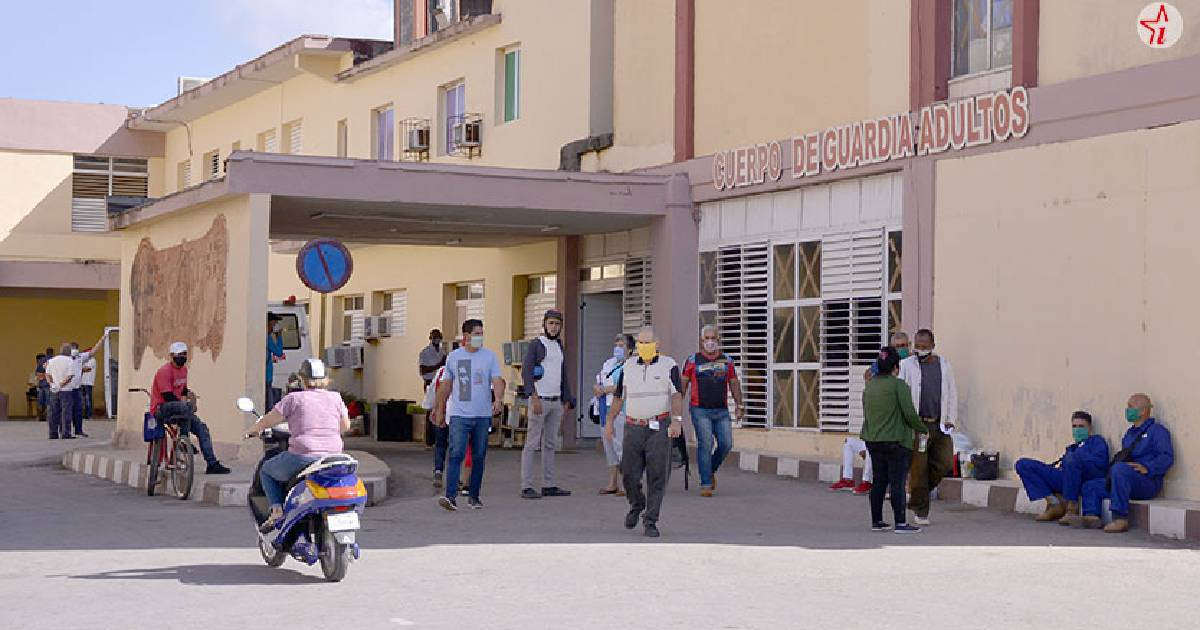
The provincial director of Health in Ciego de Ávila, Kesnel Lima Ruiz, confirmed that the epidemiological situation in Ciego de Ávila remains "complex," with active transmission of arboviruses in the capital municipality and in Morón.
He assured that the health system is implementing various actions to reduce the presence of the vector and improve the response in the area.
According to the explanation, chikungunya is currently the most prevalent arboviral disease in the province and is transmitted through the mosquitoes Aedes aegypti and Aedes albopictus, highlighted a report from the official newspaper Invasor.
Among the most common symptoms, he mentioned a sudden onset fever and intense joint pain, which can last for months or even years. There is no vaccine or antiviral treatment, so care is focused solely on relieving the symptoms.
Lima Ruiz insisted that the population should avoid accumulating water in household containers such as flower pots, bottles, or uncovered tanks, as well as properly manage waste to prevent mosquito breeding grounds.
He also recommended covering the water tanks and keeping family environments clean.
Regarding official actions, he indicated that the Health system prioritizes addressing the vector through adulticidal treatment, elimination of breeding sites, active surveillance, and a healthcare flow that allows for quick decisions on home or hospital admission.
He stated that a system of referral and counter-referral is maintained among the different levels of care, in addition to training healthcare personnel for the management of the acute, post-acute, and chronic stages of the disease.
In relation to recent developments, it was noted that in the last three weeks there has been a decrease in patients with arbovirus infections, although it was emphasized that “the situation remains complex.”
The municipalities with the highest incidence continue to be Ciego de Ávila and Morón, both still experiencing active transmission. It was reiterated that epidemiological control depends on individual and collective responsibility in eliminating breeding sites.
The official recognition of active transmission, despite the decline in cases, makes it clear that the issue does not lie in the current curve, but rather in the structural inability to maintain stable vector control.
The insistence on “individual responsibility” once again shifts the burden of institutional failure accumulated over years onto the citizen.
That the health authority emphasizes the persistence of prolonged sequelae confirms that the system not only arrives late in detection and control but also in long-term clinical follow-up.
Overall, the discourse reflects more of a reactive approach than a genuine preventive strategy, especially in an area that repeats the same patterns of transmission and vulnerability season after season.
The official press in Ciego de Ávila acknowledged days ago that the institutions reacted too late to the current arboviral crisis when neighborhoods were already reporting sick individuals, as well as shortcomings in epidemiological monitoring and sanitation that allowed the transmitting mosquito to spread unchecked.
Additionally, the health authorities of Holguín admitted that they failed in mosquito prevention, while the province is facing a complex epidemiological situation with three municipalities in epidemic phase.
Last week, the Ministry of Public Health (Minsap) reported 33 deaths from mosquito-borne diseases, of which 21 were due to chikungunya and 12 to dengue, according to official data released by state media. Most of the victims were minors.
However, a report from the Cuban Observatory of Conflicts (OCC) and the Foundation for Human Rights in Cuba documents at least 87 deaths related to the arboviral epidemic that has spread throughout the island between October and November 2025.
Filed under: