
Related videos:
The authorities in the Cayman Islands have begun to prepare for the possibility of a new wave of Cuban migrants, in a regional context marked by the capture of Nicolás Maduro and the United States' intervention in Venezuela, which is anticipated to lead to the collapse of one of the main economic supports for the regime in Havana.
Governor Jane Owen confirmed that the security services of the British overseas territory are designing contingency plans in response to a potential increase in irregular migration from Cuba, a concern that has already been discussed by the Cayman Islands National Security Council, according to Cayman Compass.
The concern arises following Cuba's loss of its main supplier of oil and financial aid, after the Donald Trump administration took control of Venezuela following the military operation that led to the capture of Nicolás Maduro in early January.
In a country already mired in a deep economic crisis, the worsening living conditions are reigniting fears of a potential exodus, as has happened during other critical moments in the recent history of the island.
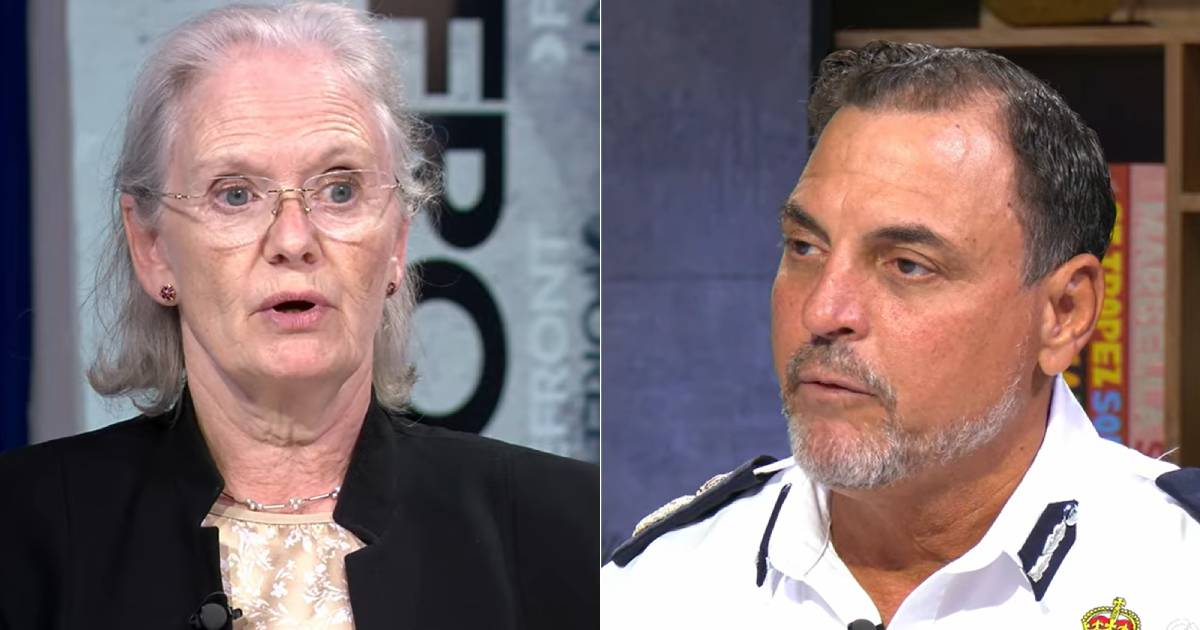
During an interview on the Forefront program from Compass TV, Owen explained that the Mass Migration Committee, made up of several agencies, will meet to coordinate responses to any sudden increase in arrivals from Cuba.
"We need to make sure we are prepared in case any of these actions result in an increase in irregular migration from Cuba," the governor stated.
Police Commissioner Kurt Walton confirmed that security forces, including the Coast Guard and Customs and Border Control, are working together and sharing intelligence with regional partners to anticipate possible scenarios. He emphasized that the priority is to avoid improvisation in the face of a humanitarian crisis that could develop within days.
For many Cubans, the Cayman Islands have historically been a way station on desperate migration routes, driven by political persecution or economic hardship.
Although most vessels continue on to other destinations, those who arrive at the archipelago are often detained and subsequently repatriated. A legal change approved in 2023 accelerated asylum processes, significantly reducing the time Cuban migrants spend before being returned to the island, the local media reported.
Owen assured that the United Kingdom maintains close communication with the Cayman Islands and with other overseas territories to share security information amid regional tensions. He also highlighted the connections between London, Washington, and Caribbean governments at a time when the geopolitical landscape once again directly impacts the lives of thousands of Cubans.
Although the Cayman authorities claim not to see immediate threats to air or maritime transport, they acknowledge that the region remains vulnerable to illicit trafficking and irregular movements by sea.
Filed under: