
Related videos:
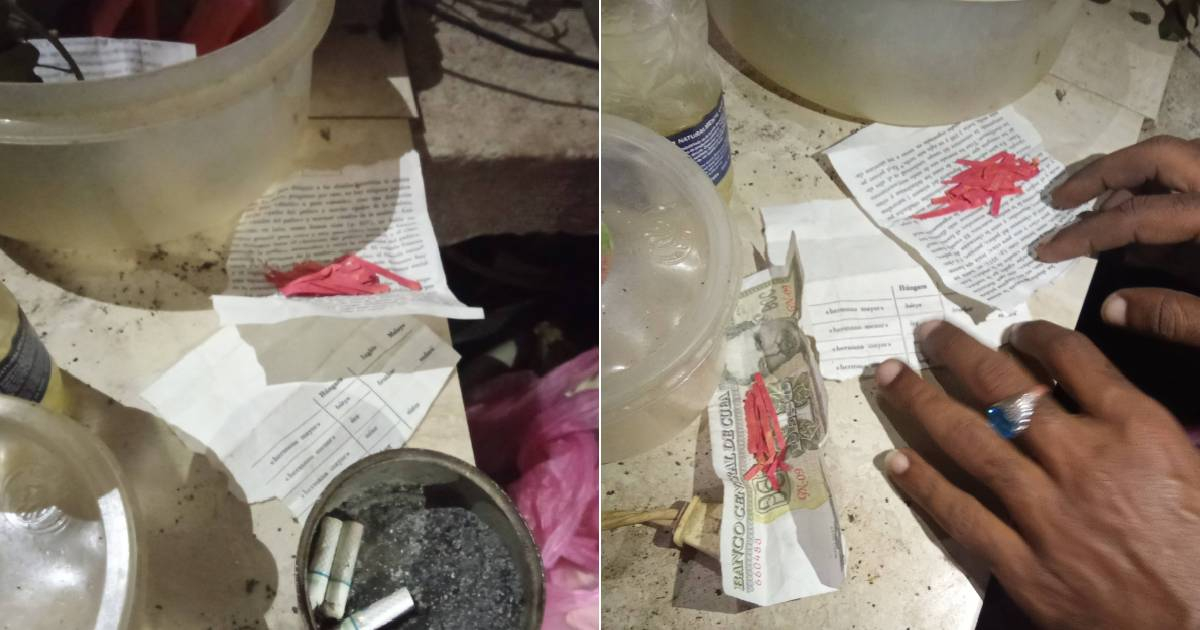
The Ministry of the Interior (Minint) shared a police operation on social media this Friday in the Rampa Popular Council in Havana, presented as a “decisive” action amid a communication offensive aimed at showcasing control in the face of the rising use of synthetic drugs.
The Héroes de Azul profile in Cuba, associated with the Minint, reported on its Facebook account about the registration of a residence on I Street, between 9na and 11na, in the Plaza de la Revolución municipality, where the National Revolutionary Police and specialized forces claimed to have seized doses of the substance known as “chemical.”
The publication did not specify the number of individuals involved, those arrested, formal charges, or procedural guarantees.
The message, written in a triumphant tone, emphasized the state's "capacity for deployment" and its "zero tolerance" policy towards drug trafficking, while issuing generic warnings and calls for exemplary punishment.
In recent months, official pages have reported on similar operations, all aligned with the same narrative.
Authorities admit that at least 40 variants of synthetic cannabinoids are circulating in Cuba, which are low-cost and highly profitable, with their use particularly affecting young people.
Officials have warned about new methods of smuggling, including those embedded in paper, and about the shift of traffic from Havana to eastern provinces such as Holguín.
Despite this, official publications tend to highlight isolated arrests and calls for citizen reporting, while omitting potential institutional responsibilities.
They also do not explain how these substances spread in a country with state control over borders, ports, and trade.
The government itself acknowledges that between 2024 and December 2025, 72 drug-related operations involving 11 different origins were thwarted, while penalties have been increased, reaching up to 30 years in prison or life imprisonment in aggravated cases.
The emphasis, however, remains punitive and propagandistic.
While the Minint turns each operation into content for social media, social deterioration, the economic crisis, and the lack of effective preventive policies continue to fuel the rise of the "chemical."
More than a comprehensive strategy against drugs, the regime's visible response seems to focus on maintaining an image of control on Facebook, amidst a growing context of insecurity and despair on the streets of Cuba.
Filed under: