
Related videos:
This Wednesday, the Cuban government became embroiled in controversy once again following the death of four individuals aboard a boat registered in Florida during a confrontation in waters near the island.
While Washington announced that it will independently verify what happened, the incident this Wednesday brings to mind a tragic precedent that still weighs on collective memory: the sinking of a vessel in Bahía Honda in October 2022.
On that October 28, a Concorde model boat, registered in the state of Florida, capsized after colliding with a unit of Border Guard Troops off the northern coast of Artemisa.
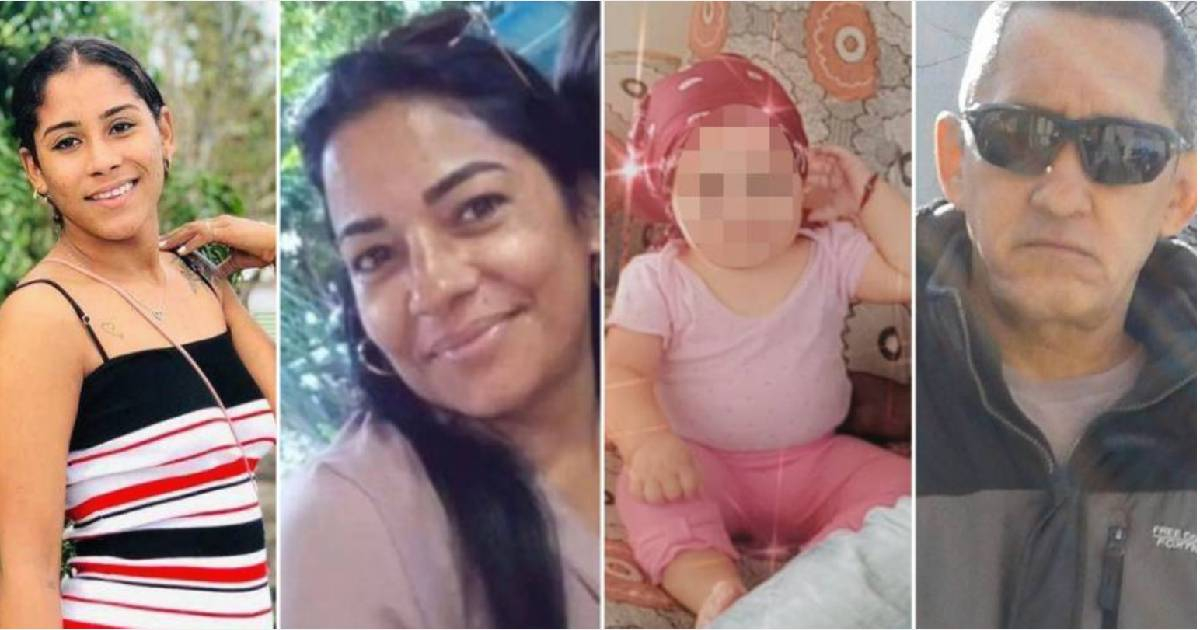
Five people died—four adults and a two-year-old girl—and several more are missing. The incident sparked outrage both inside and outside of Cuba, as well as accusations of excessive use of force by the authorities.
The official version and the complaints
In a televised appearance, the Ministry of the Interior (MININT) denied that there had been an "aggressive action" against the boat.
According to the official investigation, the vessel—which was carrying over 20 people and several fuel tanks—made a sharp turn that caused the collision, amidst what the government described as a human trafficking operation organized from Florida.
The authorities assured that the patrol was fulfilling its duty to prevent an illegal incursion into territorial waters and that the damage to the boat was limited to a crack in the hull.
However, survivors of the shipwreck reported that the vessel was intentionally rammed. Cuban-American activists and politicians also condemned the incident and demanded accountability.
The victims were later identified by family members and close friends on social media. The incident triggered scenes of mourning in Bahía Honda, where dozens of local residents silently accompanied the funeral procession.
A pattern under scrutiny
The incident on Wednesday—in which four people reportedly died—occurs in a context of heightened migratory tension and an increasing number of maritime departures from Cuba.
The island's authorities have repeatedly stated that these trips are part of human trafficking networks and have blamed the United States for policies that, in their opinion, encourage irregular migration.
On the U.S. side, Secretary of State Marco Rubio stated that his government will not rely solely on the official Cuban version and will independently verify the facts. Washington has indicated that it will use existing diplomatic channels to clarify what happened.
The repetition of tragedies at sea raises questions about the interception protocols of the Border Guard Troops and the use of lethal force in operations against civilian vessels. For many, the memory of Bahía Honda 2022 serves as a warning that these episodes are not isolated.
While more details about what happened this Wednesday are awaited, the victims' families and sectors of the exile insist that the background necessitates a rigorous international scrutiny.
"Do not forget," repeat on social media those who see in the case of Bahía Honda a precedent that cannot be divorced from the current drama.
Filed under: