
Related videos:
As Israel and the U.S. bomb military targets of the regime, leaked videos before the internet blackout show Iranian citizens celebrating, dancing, and chanting slogans against the Islamic dictatorship. The scenes recall the protests that have shaken the country since December, which were crushed with massacres that left thousands dead. For Cubans, the parallel is unavoidable: an oppressed people celebrating blows against their oppressors.
Dance, laughter, and shouts against Khamenei
Before the Iranian regime nearly completely cut off the internet—a tactic it previously employed during the massacres in January—dozens of videos managed to emerge from the country, showcasing unthinkable scenes for a nation under bombardment.
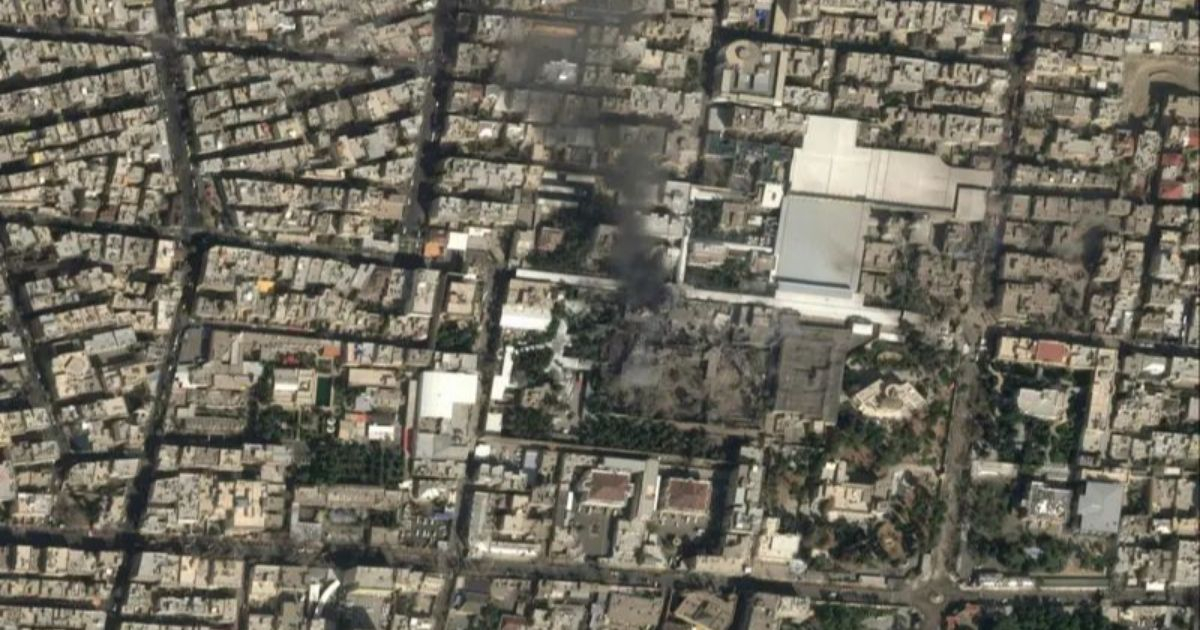
In Tehran, according to a report from Times of Israel with verified videos, young girls climbed onto the roofs of their buildings to celebrate upon seeing smoke coming from Khamenei's complex. A video shows them pointing at the columns of smoke and shouting with joy, proclaiming that they had reached "the leader's house." In another neighborhood, a group of young people shouted in English, "I love Trump," as the smoke from a bombing rose just a few kilometers away.
Perhaps the most powerful image: Iranians dancing in the streets, an act that the Islamic regime has criminalized since 1979, when the clerics declared it "sinful" and an "act of lust." There were also female students from a school in Tehran chanting "Death to Velayat" (the clerical system of government), while other citizens shouted "Death to Khamenei" from the windows of their homes. An Iranian in Tehran stated in a video that "we will soon lower the flag of the Islamic Republic."
According to multiple sources compiled by Wikipedia, businesses, shops, cafes, and workers also joined national strikes following the onset of the attacks. The protests took various forms: street demonstrations, slogans, honking cars, bonfires, and the destruction of regime surveillance cameras.
Two months of protests and massacres as a prelude
The celebrations today do not arise from nowhere. They are the continuation of the largest protests Iran has seen since the 1979 revolution, which began in late December 2025 and spread to over 100 cities.
The trigger was economic: the collapse of the Iranian rial, which lost more than 40% of its value, rampant inflation, and the rising price of food. But the demands quickly transformed into a regime change movement, with slogans such as "Death to the dictator" and "Seyyed Ali [Khamenei] will fall this year."
The regime's response was brutal. According to documented investigations, Khamenei personally ordered to "crush the protests by any means necessary." The bloodiest massacres occurred on the nights of January 8 and 9, carried out by the Revolutionary Guard and the Basij militias. Death toll figures vary dramatically: the Iranian government admitted to 3,117 deaths, the organization Human Rights Activists in Iran documented 7,007 by name, while other estimates reach over 30,000. Iranian doctors secretly documented shooting victims in hospitals, and there are reports that the regime killed injured protesters in their own hospital beds.
For weeks, the regime imposed an almost total internet blackout that affected 92 million people, a tactic to conceal the massacre and cut off communication among the protesters. NetBlocks reported that by the end of January, the blackout was entering its third week. It is the same strategy that the regime has resorted to once again today.
The diaspora: a million Iranians on the streets of the world
Outside of Iran, the response has been massive. The Iranian diaspora organized over 160 protests in dozens of cities around the world between January and February. On February 14, declared a "global day of action" by Reza Pahlavi, more than one million Iranians protested simultaneously across three continents: 350,000 in Toronto, 350,000 in Los Angeles, and 250,000 in Munich. These are the largest mobilizations of the Iranian diaspora in history.
The slogans included "Free the political prisoners," "Death to Khamenei," and "This is the final battle, Pahlavi will return." Many protesters from the diaspora openly called for U.S. military attacks against the regime, a demand that was realized today.
Not everything was peaceful: on January 11, a U-Haul truck crashed into anti-regime protesters in Westwood, Los Angeles, injuring several people. Deutsche Welle reported that Iranian intelligence services were targeting exiles internationally.
Reza Pahlavi: "Destiny moments await us."
The son of the last Shah of Iran has become the most visible figure of the opposition. Today, following the news of the attacks, he published a message in which he described the operation as a "humanitarian intervention" aimed at the Islamic Republic, not the Iranian people.
Pahlavi urged Iranians to stay in their homes and remain safe, but to be "vigilant and prepared" for when he announces the moment of "the final action." He addressed the armed forces and security: "You have sworn to protect Iran and the Iranian people, not the Islamic Republic and its leaders. Join the people or you will sink with Khamenei's ship." He asked Trump for "utmost caution to preserve civilian lives."
Maryam Rajavi, leader of the National Council of Resistance of Iran, also intervened, announcing the formation of a "transitional government" and rejecting both the Islamic Republic and the monarchy.
The Cuban mirror
For the millions of Cubans following this news, the images of Iranians celebrating the destruction of the symbols of their oppression resonate deeply. A people who have been under a dictatorship for decades, controlling every aspect of life, repressing all dissent, and blaming external forces for all their ills while the leadership lives in palaces.
The similarities are hard to ignore: endless blackouts, a terminal economic crisis, humanitarian aid requested by the UN, a regime losing allies one by one—Venezuela has fallen, Iran is faltering—and a people that endures until they can no longer bear it.
Iran experienced a multiplied version of 11J: massive protests crushed with brutal violence. But unlike Cuba, the Iranians have managed to keep the flame alive for two months, with national strikes and an organized diaspora that mobilized over a million people in a single day. As an Iranian in Tehran said amidst the explosions: "War is not good, but I am happy".
Today, as Cubans watch as another ally of their dictatorship is struck, the question hangs in the air along the Malecón: if the regime of the ayatollahs, with its army, Revolutionary Guard, and thousands of missiles, can fall... what still supports the Cuban dictatorship?
Filed under: