
Related videos:
The Ministry of Higher Education of Cuba (MES) announced the postponement of the university entrance exams to early June, as part of a series of measures in response to the energy crisis impacting all areas of life in the country.
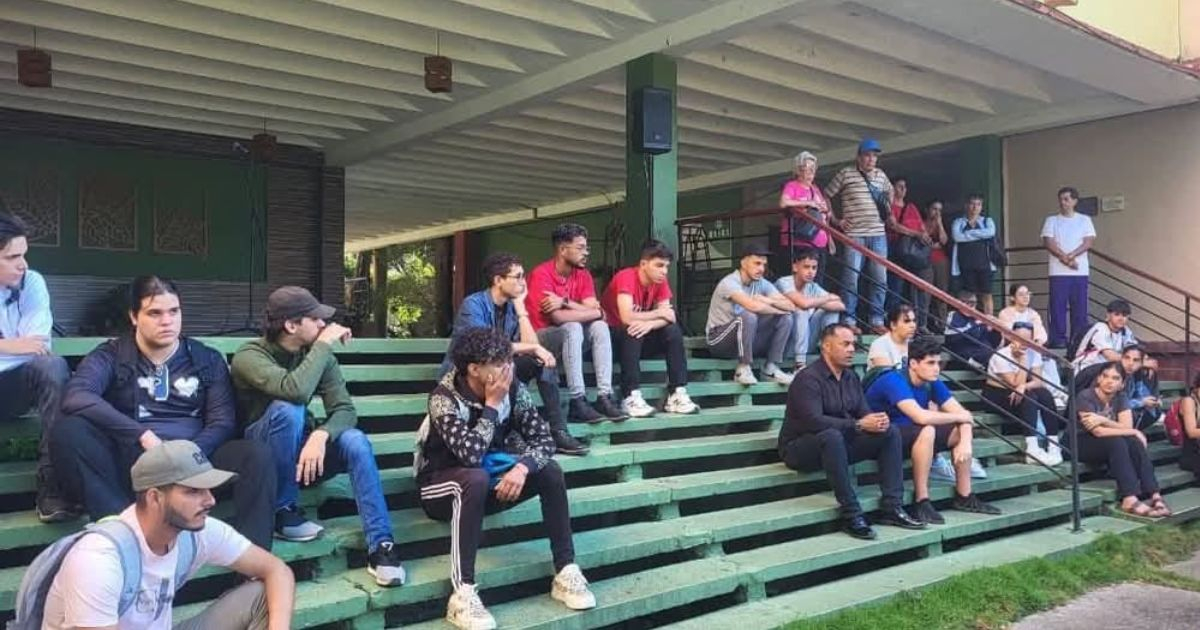
The MES statement highlights the reinforcement of other adjustments in the educational process, such as the transition to hybrid learning that took place last month, which has caused concerns, complaints and protests among students, as the electricity and connectivity conditions to continue their studies from home also show significant irregularities.
The new measures in university education include changes in teacher organization, teaching methods, and evaluation systems, with an emphasis on independent study and curricular flexibility.
The MES authorized modifications to the curricula, reduction of assessments, and the implementation of methods such as portfolios, projects, and case studies, in addition to allowing proficiency exams outside of the usual terms.
All of this has led many to question the quality that could be guaranteed in education under such circumstances, especially considering that in recent years, even in times of relative “normality,” Cuban higher education—and even more so primary and secondary education—has shown signs of increasing deterioration.
The organization also acknowledged that the electrical situation limits the use of digital platforms, meaning that study modalities cannot rely solely on technological resources. It is unclear what other resources and in what ways students will be able to continue their education when they have to focus on basic issues such as ensuring a minimum level of food for their families at home.
In this context, the Ministry indicates that in-person meetings will be held in defined local settings, and support will be strengthened for students facing connectivity issues or residing in remote areas. The organization does not specify how teachers will reach these territories, nor what logistical support they will receive, beyond the "recognition [...] for their exemplary commitment, discipline, and spirit of sacrifice."
As part of the actions, the note details that priority is given to the attention of students in their final academic year, including the completion of study exercises either in person or online, depending on the conditions of each location. Additionally, efforts will continue to promote the students' engagement with work activities and economic and social tasks in their areas of residence.
In the first point of the modifications, the MES emphasized the maintenance of "educational, patriotic, and political-ideological work with all members of the university community." The reinforcement of the organization's doctrinal mission occurs in a context where student protests have increased alongside calls from the government for the university to continue adapting to the crisis.
The systematic and documented repression of teachers who express critical or opposing views to the official political discourse is, unfortunately, a daily reality in the country's higher education institutions.
Filed under: