
Related videos:
The prestigious American newspaper The New York Times published an extensive profile on Sandro Castro, the 33-year-old grandson of the late dictator Fidel Castro, who has become one of the most talked-about figures on Cuban social media due to a mix of ostentation, satire, and veiled criticisms of the government his family is associated with.
The article, titled 'Fidel Castro's Grandson Sandro Becomes Instagram Influencer', describes how the young man has amassed over 150,000 followers on Instagram by posting provocative videos that juxtapose his privileged lifestyle with the hardships that most Cubans endure.
Among its most discussed content is a video in which he caresses a gas canister to satirize the fuel shortage the island is experiencing, and another in which he rejects a call from a figure resembling Donald Trump who intends to "buy Cuba."
In January of this year, he posted a photo mocking Díaz-Canel with a Cristal beer and the message: "When I'm with you, I forget that Díaz-Canel is president," a direct criticism of the leader that had no repercussions.
Sandro, son of Alexis Castro —identified by Times as a photographer and son of Fidel—, was born in 1991 and owns Bar EFE, located at 23rd Street and F in Vedado. The venue charges an entrance fee of 1,000 Cuban pesos per month and requires a minimum consumption of 15,000 pesos per table, an amount equivalent to a couple of months' average salary in Cuba (the average salary in Cuba is around 6,500 pesos).
In March of this year, Sandro Castro shared an AI-generated photo alongside Barron Trump, the son of the U.S. president.
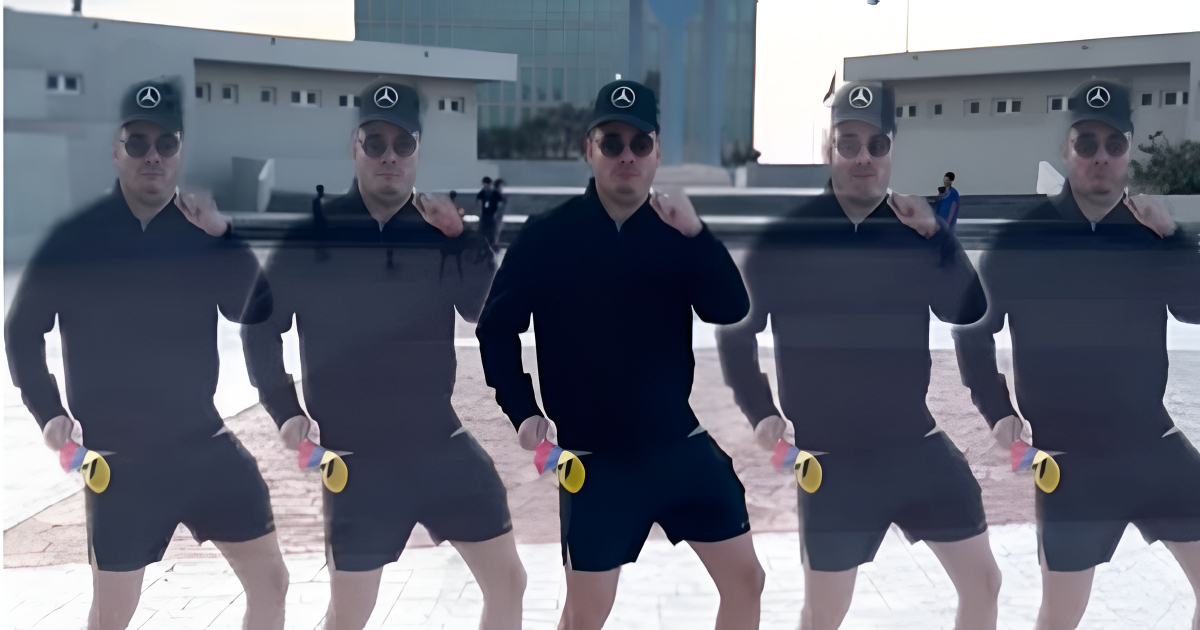
His first major viral scandal dates back to February 2021, when a video showed him driving a Mercedes-Benz at high speed on a road in Havana while saying, "We are simple people, but we need to take the toys out of the house."
Public outrage was so intense that days later Sandro Castro apologized, clarifying that the car was borrowed and that the video had been leaked from his WhatsApp without his consent. The singer Israel Rojas, from Buena Fe, then called him "irresponsible" and "immature."
Since then, his profile has become more satirical and politically charged. In October 2025, he responded to whether he was a communist with a phrase that sums up his position: "Revolutionary yes. Communist no. I respect my country and government."
The Times article also includes the reaction from the official environment. Pedro Jorge Velázquez, known as "El Necio" and the main digital propagandist of the regime, has accused him of being an "ideological enemy" who undermines national security.
Gerardo Hernández Nordelo, former spy of the so-called "Five Heroes" and current National Coordinator of the CDR, supported those criticisms with an "amen" on Facebook.
However, historian Ernesto Limia Díaz, vice president of UNEAC, highlighted that "Sandro is not a political enemy, he has not committed any crimes," although he referred to him as an "idiot" for the harm caused by his surname.
What the Times profile makes evident is the structural hypocrisy of the regime: while activists and dissenters are imprisoned for expressing critical opinions, Fidel Castro's grandson publicly mocks the president, flaunts obscene luxuries amidst the worst economic crisis in decades, and runs an exclusive bar in Havana, all without fines or arrests.
That double standard, more than any viral video, is the truest portrait of Castroism in 2026.
Filed under: