
Related videos:
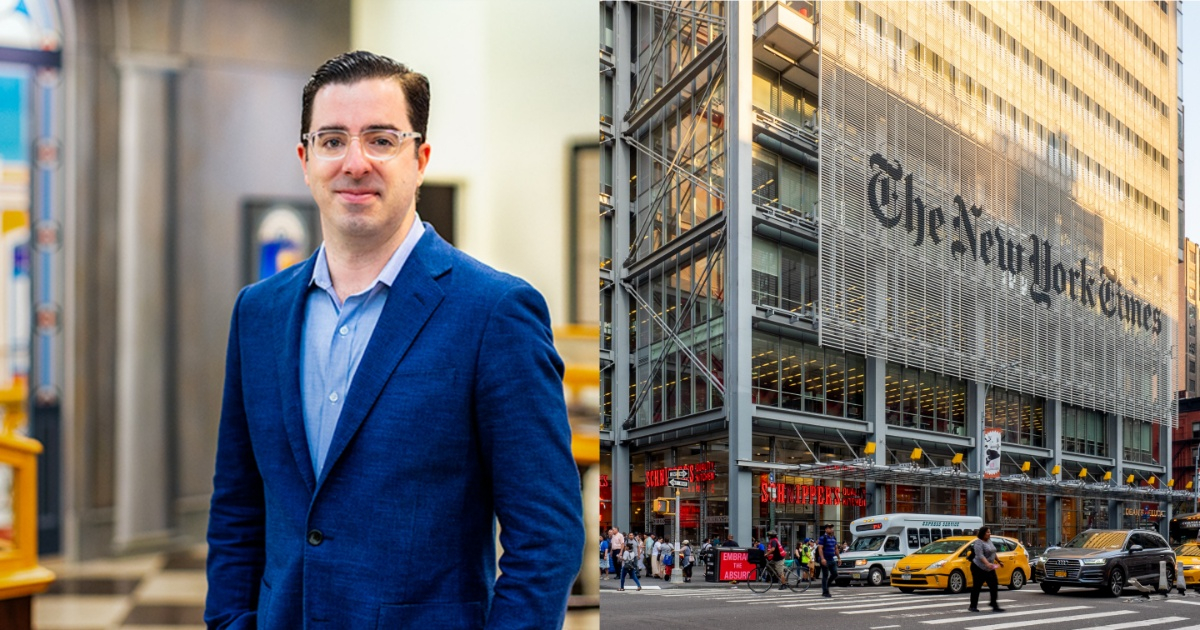
The Cuban-American historian Michael J. Bustamante, a professor at the University of Miami, posted a thread on X on Friday criticizing an article from the New York Times regarding the health crisis in Cuba, pointing out that its headline and analysis could imply that the serious issues within the healthcare system began in January 2026.
The NYT article titled "Cuban Patients Are Dying Because of U.S. Blockade, Doctors Say" published on Thursday, attributes the collapse of Cuba's healthcare system almost exclusively to Executive Order 14380 by President Donald Trump, signed on January 29, 2026, which imposed tariffs on countries selling oil to Cuba.
"The analysis, and especially the headline, could be read as if the serious problems of the health system only began in January, or at least that the acknowledgment of previous issues is buried," wrote Bustamante, who added, "I understand the annoyance."
The criticism points to a pattern that has generated controversy: the liberal American press only began to pay massive attention to the collapse of the Cuban health system after the measures of the Trump administration, ignoring years of structural deterioration under the regime.
"I understand the frustration that the deterioration of healthcare services in Cuba is only receiving such detailed coverage in a prominent U.S. media outlet due to the measures adopted by the United States," said Bustamante.
The academic believes that the measures taken by the Trump Administration have worsened the situation, but he also thinks that the article could have provided a more accurate overall picture of the situation.
"Should I have revealed that press access to hospitals is very rare and that those featured in the images are among the best institutions in the country? Probably," he questions and answers, alluding to the article's approach.
The data clearly documents this deterioration. Between 2010 and 2022, the regime closed 63 hospitals, 37 medical clinics, 187 maternal homes, and 45 dental clinics. Only between 2021 and 2022, Cuba lost more than 12,000 doctors, 7,414 nurses, and more than 3,000 dentists due to emigration, in a system where doctors survive on salaries of approximately 16 dollars a month.
The infant mortality rate tripled from 3.9 per thousand in 2018 to approximately 8.2 per thousand at the national level. By the end of 2025, Cuba recorded three million cases and 8,700 deaths from dengue and chikungunya.
The Cuban Minister of Health, José Ángel Portal Miranda, acknowledged in February 2026 that the system was on the brink of collapse, while the World Health Organization described the situation as deeply concerning.
The NYT article highlights alarming data regarding the current crisis: the Cuban national electric system collapsed for the third time in four months, about 96,000 Cubans need surgery and 11,000 children are waiting to be operated on. Cuba has gone more than three months without oil imports, with a 90% reduction in its fuel supply.
The late coverage by the American liberal press —which comes as pressure from Washington intensifies and frames the crisis as a consequence of Trump’s policies— is precisely at the heart of Bustamante's critique: the collapse of Cuba's healthcare system has been years in the making under the dictatorship, and only now does it deserve headlines.
Filed under: